A road trip in Iceland asks for time. A helicopter asks for curiosity. Reykjavik helicopter tours are for travelers who want to trade long drives and crowded viewpoints for direct access to the landscapes that make Iceland unforgettable.
From the air, the logic of the country changes. Lava fields stretch in black ribbons toward the coast, river canyons cut through the highlands, and glacier tongues spill into valleys that feel almost unreachable from the ground. What looks distant on a map becomes part of a single flight plan, and that is the real appeal – not just seeing more, but seeing Iceland in a way that feels private, efficient, and far more dramatic.
Why Reykjavik helicopter tours stand out
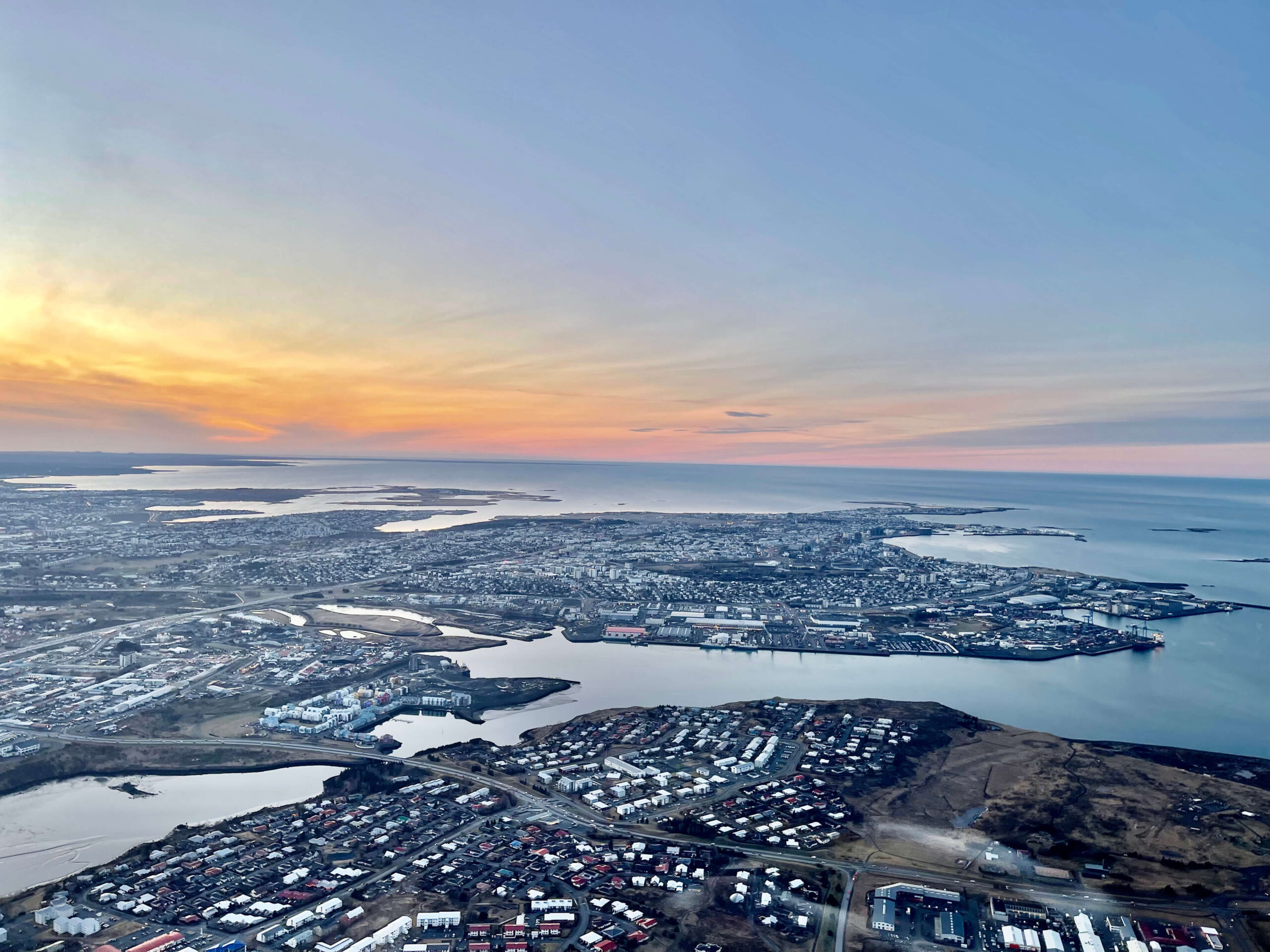
Reykjavik is the natural starting point for premium helicopter travel in Iceland because it puts you close to both urban convenience and major natural landmarks. You can lift off from the capital and be over geothermal areas, volcanic terrain, waterfalls, or mountain ridges in remarkably little time. For visitors on a short itinerary, that matters.
The bigger advantage is flexibility. A well-planned helicopter experience can combine sightseeing with access. One flight might be built around a scenic circuit with a landing on a remote summit. Another might focus on photographing glaciers in low-angle light. A private group might want a half-day excursion that includes several landings, while another traveler may prefer a shorter scenic flight that fits neatly between dinner reservations and a spa visit.
That range is what separates helicopter touring from standard bus or Super Jeep travel. Ground tours can be excellent, but they are shaped by roads, daylight hours, and driving time. Helicopters remove much of that friction. You spend more of your day in the places you came to see, and less of it getting there.
What you can see from Reykjavik helicopter tours
The short answer is a surprising amount. The better answer depends on season, weather, and how much flight time you want.
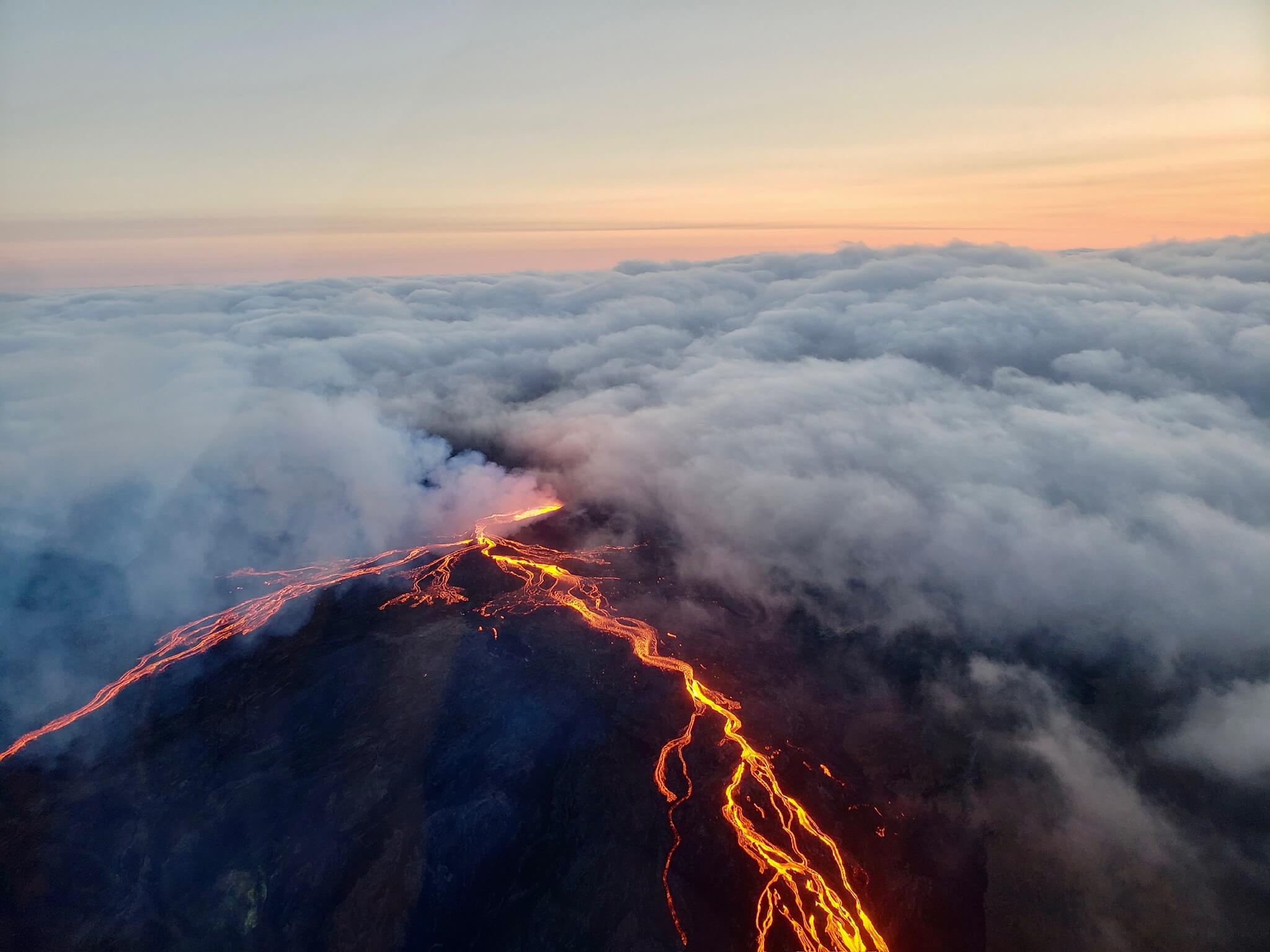
Volcanic landscapes are often the first thing travelers ask for, and for good reason. Iceland’s recent eruptions have made the Reykjanes Peninsula especially compelling from the air. Fresh lava fields, crater systems, and rugged geothermal ground reveal patterns that are nearly impossible to understand from roadside viewpoints alone. If current activity and flight conditions allow, volcano-focused routes can deliver one of the most memorable aerial experiences in Europe.
Glaciers offer a different mood entirely. Where volcano flights feel raw and restless, glacier flights feel immense and still. Ice caps, crevasses, ash-streaked snow, and braided outwash plains create scale that photography rarely captures well from the ground. A helicopter gives you perspective, but it can also give you access. A remote landing can turn a scenic flight into something more personal and far less scripted.
Waterfalls and canyon systems are another strong fit for aerial touring. Iceland has famous roadside falls, but some of the country’s most striking cascades sit far from the main tourist loop. Reaching them by helicopter means less compromise. Instead of building a full day around rough roads and detours, you can fold spectacular natural landmarks into a tighter, more comfortable itinerary.
Then there are the highlands. For many travelers, this is where Iceland feels most exclusive. The interior is vast, weather-shaped, and seasonal in ways many first-time visitors do not expect. Some areas are inaccessible for part of the year, and even when roads are open, travel can be slow. A helicopter turns that remoteness into an advantage.
Choosing the right flight length
Not every traveler needs the longest tour. The right option depends on what kind of experience you want to remember.
Shorter scenic flights are best for travelers who want the sensation of Iceland from above without committing half a day. They work well for first-time helicopter passengers, couples fitting several premium activities into one trip, and families who want a high-impact experience with minimal logistics. You still get the thrill of takeoff from Reykjavik and sweeping views over dramatic terrain, but the emphasis is on efficiency.
Mid-length flights usually offer the best balance. They allow enough time to move beyond the immediate surroundings of the capital and into more varied country. This is where routes begin to feel immersive rather than introductory. If your goal is to combine a few major landscape types – for example volcanic ground, mountain ridges, and a landing site – this range often makes the most sense.
Longer and private flights are where customization becomes the main event. These are ideal for travelers who know exactly what they want, or who want expert help designing something around a theme, location, or occasion. A proposal landing, a photography mission, a milestone birthday, or a multi-stop scenic day can all be built around a longer private charter. For guests who value privacy and control, this is usually the most satisfying option.
Scenic tour or custom charter?
This is one of the most useful decisions to make early.
A structured scenic tour is straightforward. Departure, route, and duration are predefined, which makes planning easier and often keeps costs more predictable. If you are primarily looking for a polished aerial sightseeing experience, this can be exactly the right choice.
A custom charter is better when the destination matters as much as the flight itself. Maybe you want to combine a glacier landing with aerial photos of a black-sand coastline. Maybe you need a direct transfer that also doubles as a scenic experience. Maybe your group wants to avoid fixed schedules altogether. Custom routing gives you more say, but it also depends more heavily on operational planning, weather windows, and aircraft availability.
That trade-off is worth understanding. More flexibility can create a far better experience, but only if the operator knows how to shape it realistically around Icelandic conditions.
What premium travelers should look for
Not all helicopter experiences are built the same, even when the destination list sounds similar. The strongest operators do more than sell views. They manage timing, route logic, safety, local weather judgment, and client expectations with real precision.
Local operating knowledge matters more in Iceland than many travelers assume. Conditions shift quickly, and the best experience is often the one adjusted intelligently rather than forced. A premium operator should be able to explain what is possible, what might change, and what alternatives still deliver a strong day if the original plan needs to move.
Aircraft quality and service style matter too, especially for luxury travelers and private groups. The experience should feel calm from the first contact onward. That means clear communication, realistic advice, and the ability to tailor a route around interests rather than fitting the traveler into a rigid format.
This is also where a company like HeliAir stands apart. When an operator handles both premium sightseeing and practical helicopter logistics, it usually brings a broader understanding of Icelandic flying conditions, route planning, and destination access. For the client, that translates into more confidence and more options.
When to book and what to expect from the weather
Iceland does not reward overconfidence with weather. A blue-sky morning can shift by afternoon, and wind can be as important as visibility. That does not mean helicopter touring is unreliable. It means the best experiences are built with some flexibility.
Summer offers long daylight hours and broad access to the interior, making it a strong season for extended scenic routes and highland-focused flights. Winter creates a different kind of beauty, with low light, snow-covered terrain, and sharper contrast across the landscape. The trade-off is that conditions can be more limiting and schedules may need more patience.
If you are booking a helicopter experience around a major trip moment, it helps to place it earlier in your itinerary when possible. That creates room to adjust if weather requires a shift. It is a practical move, and in Iceland, practical planning often protects the premium experience.
Who gets the most from Reykjavik helicopter tours
These flights are especially well suited to travelers who value time, privacy, and access. If you are in Iceland for a long weekend and want to see more than the usual road-based circuit, a helicopter can change the scale of your trip. If you are celebrating something significant, the setting does much of the work for you.
They also make sense for photographers, private groups, and travelers who have already seen Iceland once from the ground. On a return visit, the question often shifts from what to see to how to see it differently. A helicopter is one of the clearest answers.
The best Reykjavik helicopter tours do not try to replace the rest of Iceland. They give you another way into it – faster, closer, and with a level of perspective that roads simply cannot offer. If you are the kind of traveler who would rather shape the day around the landscape than around the highway, this is where the trip starts to feel exceptional.