Iceland Helicopter Airport Transfer Options

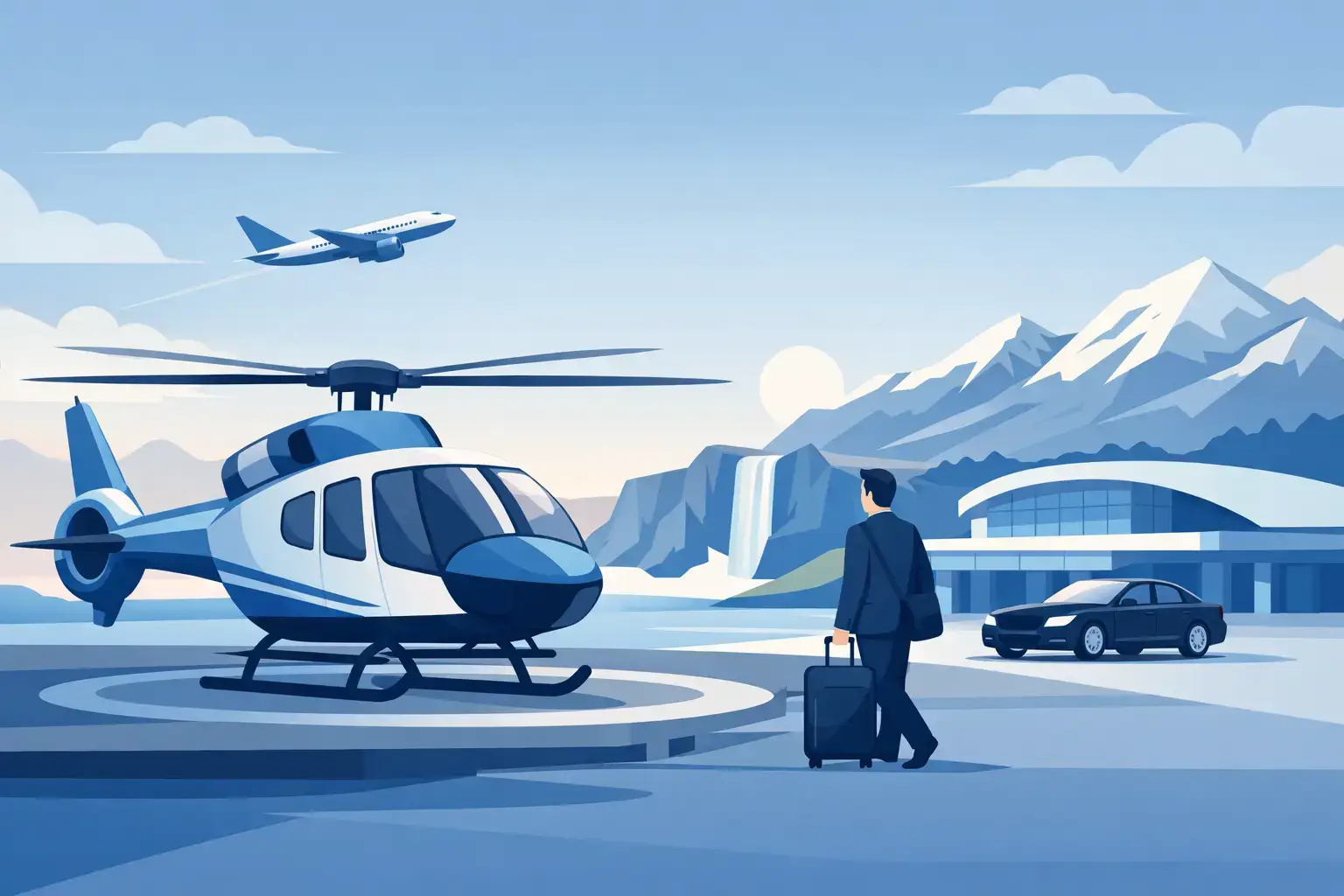
You land at Keflavík, step out into the lava fields, and the usual Iceland question arrives immediately – spend the next hour or more on the road, or start seeing the country from the air. An Iceland helicopter airport transfer changes the first part of your trip completely. Instead of treating arrival as dead time, it becomes a private flight over volcanic terrain, coastline, and mountain ranges on the way to Reykjavík or another destination.

For travelers planning a premium Iceland itinerary, that shift matters. Time on the ground disappears quickly here, especially if your stay is short or every day already includes tours, dining reservations, and remote experiences. A helicopter transfer is not just about comfort. It is about using your arrival day well and beginning the trip with direct access rather than delay.

Why choose an Iceland helicopter airport transfer

The simplest reason is time. The drive from Keflavík International Airport to Reykjavík is manageable, but it still takes a meaningful part of the day once baggage, traffic, and hotel check-in are factored in. If you are heading farther than the capital, the difference becomes even more noticeable. A helicopter can connect your arrival with a lodge, private villa, remote landing site, or onward experience much faster than overland travel.

The second reason is privacy. For couples, families, small groups, executives, or production teams, a private transfer offers a quieter and more controlled start to the trip. There is no waiting for a larger group to assemble and no rigid sightseeing schedule. The routing is built around where you need to go and what conditions allow on the day.

The third reason is that Iceland is one of the few places where the transfer itself can feel like the headline experience. From the air, the Reykjanes Peninsula looks raw and sculpted, with lava fields, geothermal areas, and a coastline that changes character quickly with light and weather. Even a practical flight can carry the visual impact of a scenic tour.

How the service typically works

An Iceland helicopter airport transfer usually begins with advance planning rather than instant online booking. That is a good thing. Premium helicopter travel in Iceland works best when the operator understands your flight arrival time, group size, baggage, final destination, and whether you want a direct transfer or a transfer that folds in sightseeing.

Some guests simply want to move from Keflavík to Reykjavík Domestic Airport or a hotel area as efficiently as possible. Others want to arrive and continue straight to a glacier-side property, a highland location, or a custom tour departure point. That flexibility is where helicopter charter becomes especially valuable.

The exact logistics depend on aircraft availability, weather, and landing permissions. In some cases, the best option is a point-to-point transfer between airport infrastructure and an approved landing area. In others, the transfer may connect through Reykjavík Domestic Airport, which can be useful if you are pairing international arrival with onward domestic helicopter or fixed-wing travel.

Keflavík to Reykjavík by helicopter

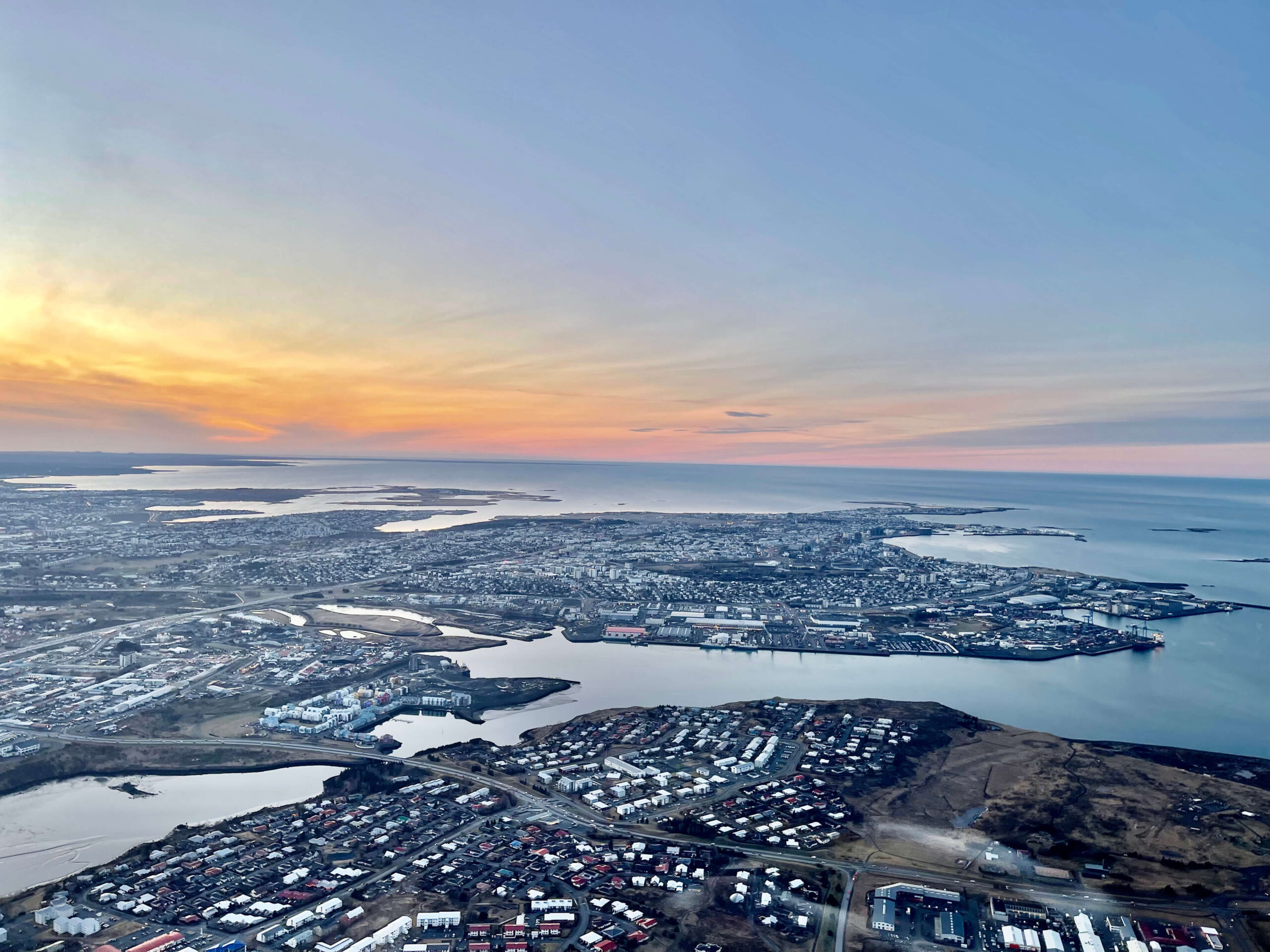
For many visitors, the most practical route is from Keflavík International Airport to the Reykjavík area. This works well if you are staying in the capital but want to avoid the road transfer and start your trip with a more exclusive arrival. It also suits travelers with a packed schedule, especially those landing in the morning and hoping to fit in a scenic flight, spa reservation, fine dining, or an afternoon meeting without losing momentum.

There is also a strong visual case for this route. The flight path can reveal the textures that make southwest Iceland feel so distinct – black lava, moss-covered expanses, Atlantic shoreline, and distant volcanic systems. For photographers, first-time visitors, and returning guests who want a different perspective, that view has real value.

Still, this option is not always about speed alone. If weather conditions limit helicopter operations, a ground transfer may remain the safer choice. Good operators are direct about that. In Iceland, experience and local judgment matter more than promising a flight at any cost.

Beyond Reykjavík: direct access to harder-to-reach destinations

Where helicopter transfer becomes even more compelling is beyond the capital. If your itinerary includes a private lodge, a remote retreat, a filming location, a heli-ski staging area, or a custom sightseeing day in the highlands, a road-first approach can eat up hours before the experience even begins.

A tailored transfer lets you connect the airport with the part of Iceland you actually came to see. That might mean flying onward toward volcanic landscapes, glacier regions, major waterfall areas, or remote terrain that is simply inconvenient by car. It can also mean combining transfer and touring into one charter, which often makes sense for travelers who care more about overall experience than checking off a standard route.

This is where a company like HeliAir fits naturally. For guests who want to shape the day around a destination rather than a preset product, the value is not only aircraft access. It is local operational knowledge and the ability to design around what is possible, practical, and memorable.

What affects price and planning

Helicopter airport transfers sit firmly in the premium category, and pricing reflects that. The main variables are aircraft type, flight duration, number of passengers, baggage weight, route complexity, and any additional sightseeing or waiting time built into the charter.

Baggage is one of the most important details to discuss early. Luxury travelers often arrive with more luggage than a standard scenic flight would comfortably support, and helicopter payload is never an afterthought. If your group is traveling with ski equipment, camera gear, or multiple large cases, that needs to be planned carefully. Sometimes the best solution is a mixed arrangement with helicopter passengers and separate ground handling for heavier bags.

Weather is the other major factor. Icelandic aviation is reliable when managed by experienced crews, but no responsible operator treats weather as a minor footnote. Wind, visibility, and local conditions can alter departure time, route, or landing options. For guests, the practical takeaway is simple: build a little flexibility into the schedule, especially on arrival day.

Is an Iceland helicopter airport transfer worth it?

For some travelers, no. If your priority is minimizing cost and you are headed to central Reykjavík with no rush, a road transfer will do the job. Iceland’s ground transport network is straightforward in the southwest, and not every trip needs an aviation solution.

But if you value privacy, time, and a more elevated arrival, the answer is often yes. It is particularly worthwhile for short luxury stays, milestone trips, private groups, and itineraries where every hour counts. It also makes sense when the transfer is not really a transfer at all, but the opening chapter of a custom helicopter day.

That is the real distinction. A helicopter airport transfer in Iceland is rarely just transportation. It is a way to move directly into the landscape, skip the long approach, and let the trip begin at altitude.

Who this service suits best

This kind of charter tends to work best for a few specific travelers. Couples celebrating something significant often want the arrival to feel special from the start. Families with limited days in Iceland appreciate recovering time that would otherwise disappear on the road. Private groups can split the value across several passengers while keeping the experience exclusive.

It is also a strong fit for commercial clients. Production teams, location scouts, and executive travelers often need direct movement between the airport and sites that are awkward to reach efficiently by car. In those cases, the helicopter is less about indulgence and more about logistics done properly.

What to ask before you book

A good operator should be able to answer a few basics clearly. Ask where pickup and drop-off are permitted, how baggage is handled, how weather decisions are made, and whether your transfer can be paired with sightseeing or onward charter. If you have a fixed arrival schedule, ask what happens if your inbound flight is delayed.

It is also worth being honest about what kind of trip you want. Some guests want the fastest route from airport to city. Others want to arc over lava fields, take the scenic line, and arrive feeling like they have already seen Iceland. Both are valid, but the planning should match the goal.

The best Iceland helicopter airport transfer is the one built around your actual itinerary, not a generic route. If your time in Iceland is precious, starting above the lava fields instead of behind a windshield can be the smartest part of the plan.
Full Day Helicopter Tour Iceland

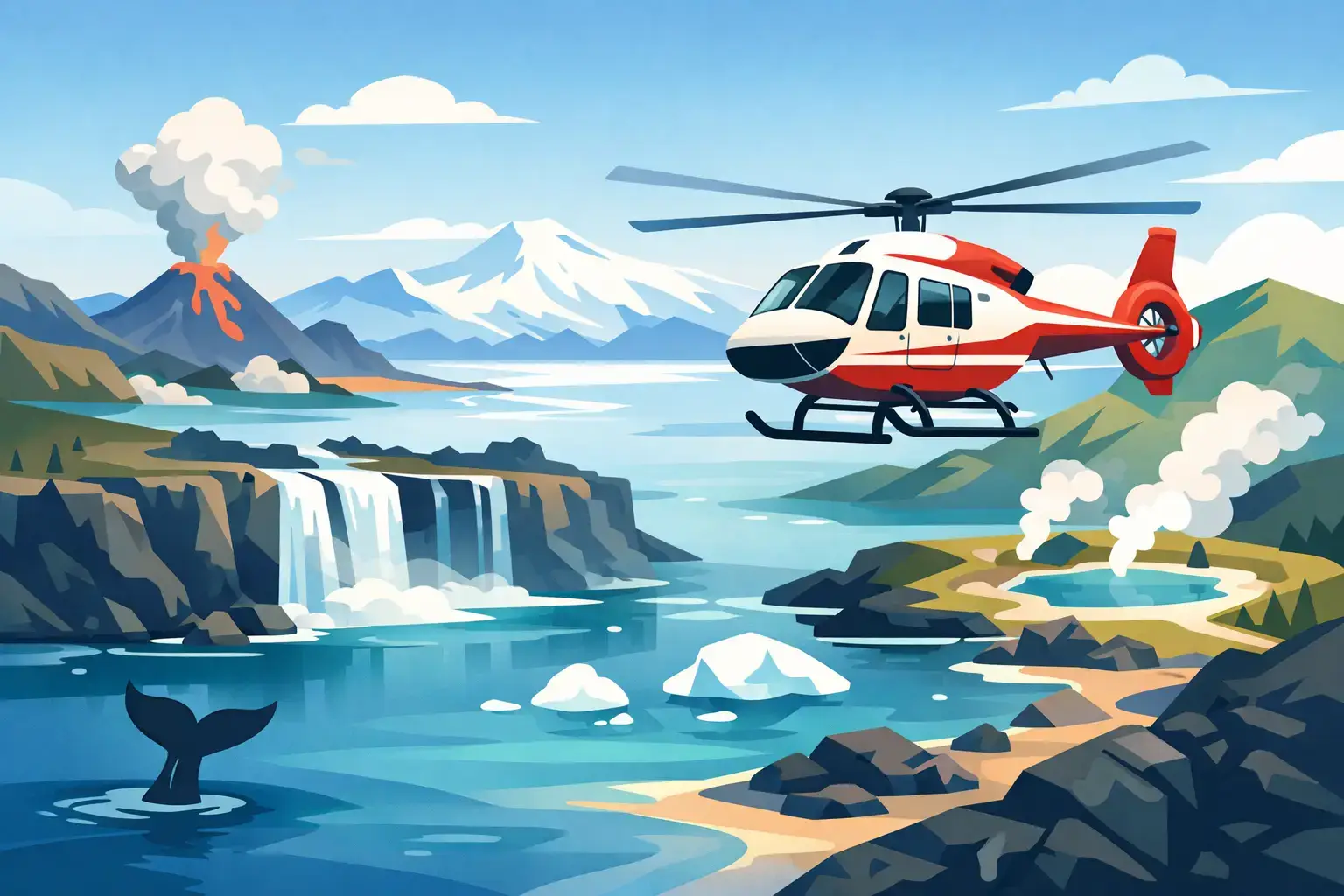
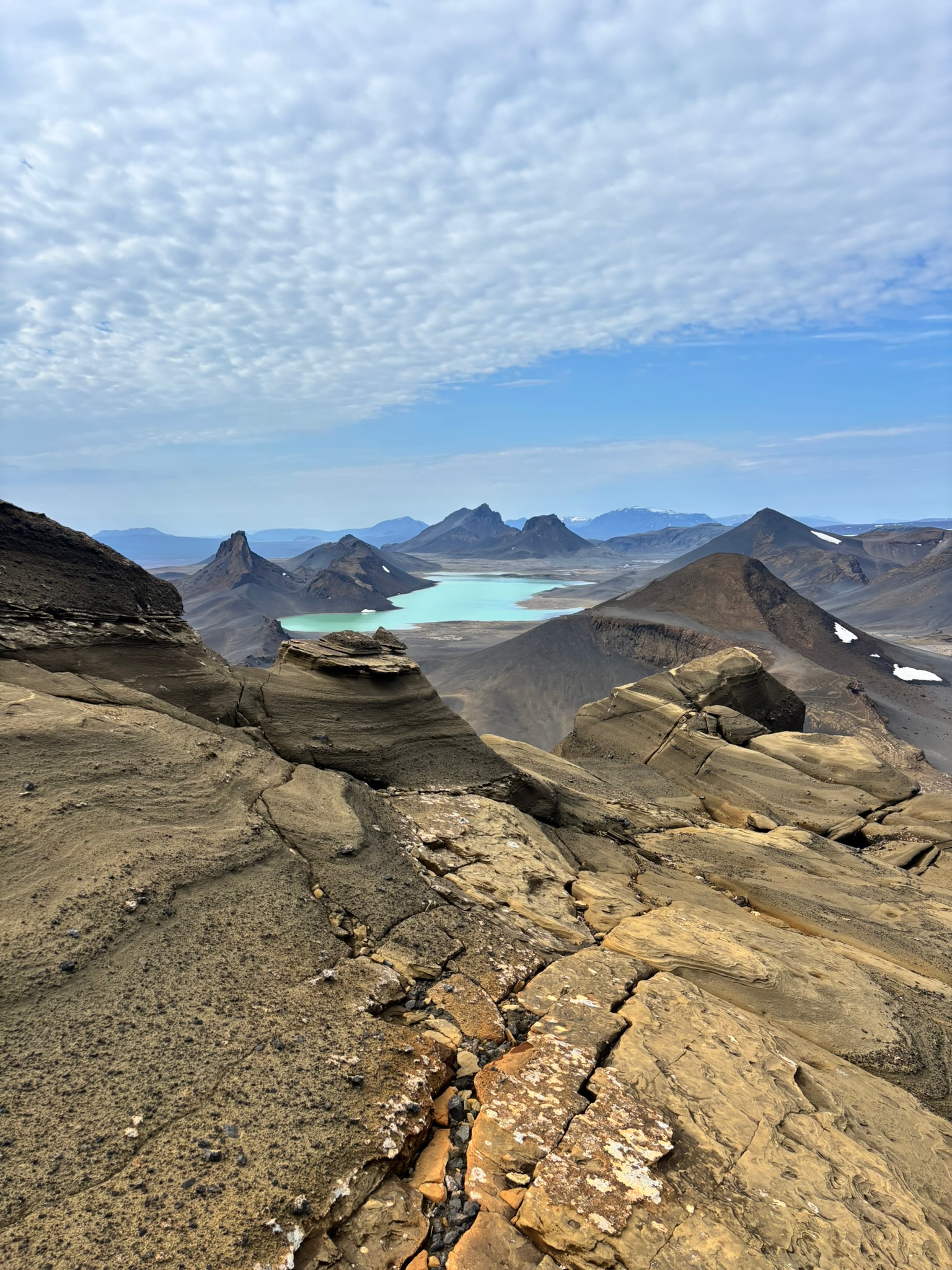
Some Iceland experiences are better left on the ground. A full day helicopter tour Iceland is not one of them. When you have limited time and a long list of places you want to see, flying changes the scale of the day completely – less windshield time, more time standing at glaciers, volcanoes, black sand valleys, and waterfalls that most visitors never reach at all.

This kind of trip is not about squeezing a quick scenic flight into a busy schedule. It is for travelers who want to build an entire day around access. Instead of choosing one region and committing to hours of driving, you can cross multiple landscapes in a single itinerary and land where the terrain gets truly interesting. In Iceland, that difference matters.

Why a full day helicopter tour Iceland feels different

A shorter helicopter tour can give you a dramatic first look at Iceland from above. A full-day experience does something else. It gives the day room to breathe.

With more flight time and more flexibility, the route can be shaped around priorities instead of a fixed sightseeing loop. That might mean glacier landings in the morning, a stop near a geothermal area after lunch, and a final pass over waterfalls or volcanic terrain before returning. It can also mean adjusting the plan to match weather windows, light conditions, or the interests of the people on board.

That flexibility is the real luxury. Iceland does not reward rigid travel plans, especially when you are aiming for remote terrain. A helicopter makes the country feel closer, but local knowledge is what turns that speed into a good day instead of a rushed one.

What you can see in one day from the air

The answer depends on departure point, weather, and what kind of day you want. Some guests want iconic highlights. Others want places that feel far from the standard Iceland route. Both approaches work, but they create very different itineraries.

From the Reykjavík area, a full-day route can include waterfalls, geothermal valleys, glacial landscapes, black sand stretches, and volcanic systems that would take much longer to connect by road. You may fly over ridgelines and river channels that make Iceland’s geology easier to understand from above than from any viewpoint on the ground.

For travelers interested in the north, routes can be built around equally dramatic but less crowded terrain. The appeal there is often the sense of space. Fjords, mountain systems, snowfields, and remote valleys have a different character from the south, and a helicopter allows you to move through them quickly without sacrificing the remote feeling that makes them special.

A full-day trip can also be centered on one theme instead of variety. Photographers may want several landings with time for changing light and perspective. Couples may want a scenic route with quiet landings in visually striking locations. Private groups may prefer a broad cross-section of Iceland in one day. There is no single best version. It depends on whether your priority is coverage, depth, photography, or simply a memorable day in extraordinary terrain.

The advantage over a private super jeep or self-drive day

Ground travel in Iceland has its own appeal, and for some trips it is the right choice. But a helicopter changes two constraints that shape almost every Iceland itinerary: distance and road access.

The first is obvious. You can cover in minutes what would otherwise take hours. That means a full day spent experiencing places rather than transferring between them. If you are visiting Iceland for a short stay, that time savings is not a small detail. It often determines whether a destination is realistic at all.

The second advantage is more important. Some of Iceland’s most striking landscapes sit beyond the practical reach of ordinary day touring. Highland areas, isolated glacier edges, volcanic plateaus, and certain waterfall regions simply ask too much of a road itinerary, whether because of distance, rough access, or seasonal limitations. Helicopter access removes much of that friction.

There are trade-offs, of course. A helicopter day is a premium experience, and the weather has the final say. If you are the kind of traveler who wants total certainty weeks in advance, Iceland can be a humbling place. But for guests who value exclusivity, range, and smart use of time, the trade is usually worth it.

What makes a full-day helicopter experience worth the investment

The value is not only in the flight itself. It comes from how tailored the day can become.

A well-planned full-day helicopter tour is built around what matters to the group, not around a generic route designed for everyone. That could include a preferred departure base, a focus on volcanoes rather than glaciers, extra time for aerial photography, or a schedule that connects with a larger luxury itinerary. For some travelers, the helicopter is the day’s centerpiece. For others, it is the most efficient way to reach a remote lunch stop, a proposal location, or a private sightseeing sequence that would be difficult to organize any other way.

That level of customization is where an experienced operator earns its place. Iceland’s terrain is varied, the weather changes fast, and some of the most beautiful places are also the least straightforward to reach safely and comfortably. A premium operator should be able to advise on route logic, realistic landing options, seasonal conditions, and what will actually make the day feel exceptional instead of overpacked.

Planning your full day helicopter tour Iceland

The best starting point is not a preset package but a conversation. A full-day helicopter trip works best when the planning begins with a few simple questions: what do you most want to see, how much flexibility you want in the day, who is traveling, and whether the priority is scenery, photography, privacy, or efficient access.

Season matters. Summer opens up longer daylight hours and broader access to highland areas. Winter can bring incredible snow-covered contrast and dramatic light, but also tighter weather margins. Shoulder seasons often offer a strong balance between scenery and operating flexibility, though every month in Iceland has its own personality.

Group composition matters too. A couple planning a once-in-a-lifetime trip will usually want a different pacing than a family with children or a production team focused on aerial filming. The same goes for physical preferences. Some guests want several landings and easy walks. Others are happiest spending more time in the air and keeping the stops simple.

If your schedule is tight, it is smart to leave room around the tour date rather than planning it as an immovable final-day activity. That approach makes weather decisions easier and improves the chances of getting the route you want.

What to expect on the day

A premium helicopter day should feel polished without feeling stiff. You want operational clarity, but you also want the experience to feel personal.

The day typically begins with a route briefing based on current conditions. Even if the itinerary has been discussed in advance, there may be adjustments to take advantage of better visibility or avoid weather building in one region. That is a sign of good planning, not a compromise.

Once airborne, the pace shifts quickly. Iceland’s terrain reads differently from above. Glacial tongues, braided rivers, lava fields, crater systems, and folded mountain ridges make immediate visual sense in a way that road travel rarely reveals. Landings break that scale and bring you back into the landscape itself, which is why a full day feels so much richer than a simple scenic overflight.

Bring layers, good shoes, and a camera you can use easily in changing conditions. Even in summer, a landing on a glacier edge or in the highlands can feel brisk. Practical preparation matters, but this is not a rugged expedition unless you want it to be. The best full-day helicopter trips combine comfort with real access.

Who this type of tour suits best

A full-day helicopter tour is ideal for travelers who are short on time but unwilling to settle for surface-level sightseeing. It also suits guests who have already seen Iceland once and want a more exclusive second look.

It is especially compelling for private groups, couples celebrating something significant, photographers, and travelers combining luxury accommodations with standout experiences. It also works for people who understand that the best Iceland days are often the ones designed around possibility rather than strict checklists. HeliAir is built for exactly that kind of planning, from premium sightseeing to fully tailored helicopter logistics.

If you want to see Iceland beyond the road, give the day enough space to become something memorable. The right helicopter itinerary does not just show you more of the country. It changes how close the country feels.

Custom Helicopter Tours Iceland Travelers Want

The difference starts the moment you stop thinking in terms of a fixed sightseeing route and start asking where you actually want to go. Custom helicopter tours Iceland visitors choose are built around access – access to glacier edges without a full-day drive, volcano landscapes without crowded viewpoints, and highland locations that are difficult to reach any other way.

For travelers who want more than a standard scenic flight, a custom itinerary changes the pace of the entire trip. Instead of fitting your plans around the road, weather, and daylight, you build a helicopter experience around the places that matter most to you. That might mean landing near a waterfall for a private moment, combining multiple regions in one flight, or arranging a full-day experience that would be unrealistic by car.

Why custom helicopter tours in Iceland stand apart

Iceland is one of the few places where a helicopter is not just a luxury add-on. In many cases, it is the most efficient way to experience the landscape properly. Distances are longer than they look on a map, road conditions can shift quickly, and some of the most dramatic places are far from the routes most visitors follow.

A private helicopter tour gives you something standard group travel cannot – flexibility. If your priority is photographing fresh snow on the highlands, that is a different flight from a couple planning a glacier landing or a family wanting a broad scenic overview without a long drive. The aircraft, routing, timing, and landing choices can be shaped around those goals.

That flexibility also matters because Iceland rarely looks the same twice. Light changes fast. Weather systems move across regions differently. A custom flight allows the day to be planned with those realities in mind instead of pretending they do not exist.

What you can build into a custom itinerary

The best custom helicopter tours Iceland offers are not limited to one headline location. They are built around combinations that make sense from the air and for the people on board.

Glaciers, volcanoes, and black-sand contrasts

Many travelers come to Iceland with one iconic image in mind – volcanic terrain meeting ice, steam, or black sand. A tailored helicopter route can connect those contrasts in a single experience. You might lift out of the city, cross geothermal zones, continue over lava fields, and land near a glacier tongue or remote volcanic area depending on conditions.

This is where private planning makes a real difference. Some guests want the drama of active geological areas from above. Others prefer the scale and quiet of older volcanic landscapes, where ridges, craters, and moss-covered lava fields tell a longer story. Both are compelling, but they suit different expectations.

Waterfalls and the Icelandic highlands

Waterfalls are a perfect example of why customization matters. A famous waterfall can be spectacular from the ground, but from the air you see the full setting – the canyon system, the river path, the surrounding plateau, and how isolated the location really is.

The highlands add another dimension. They are among Iceland’s most striking regions and also among its least accessible for much of the year. By helicopter, you can reach interior landscapes that would otherwise require major time, specialized vehicles, or simply be off-limits to a short itinerary.

Full-day private experiences

For some travelers, the right choice is not a single scenic loop but a day shaped around several landings and distinct terrain zones. A full-day charter can combine remote sightseeing with practical efficiency. You cover serious ground, avoid long return drives, and keep the day focused on the experience rather than the transit.

That tends to appeal to luxury travelers, photographers, private groups, and anyone trying to make a short Iceland stay count.

Who custom helicopter tours Iceland are best for

Not every traveler needs a bespoke flight. If you want a quick aerial overview and a fixed schedule works for you, a standard tour may be the right fit. A custom flight makes the most sense when the destination, timing, privacy, or logistics matter enough to justify tailoring the plan.

Couples often choose it for once-in-a-lifetime moments and private landings. Families like the efficiency, especially when younger travelers are not interested in spending hours in the car. Photographers and filmmakers usually need it because angle, light, route, and flight time are part of the creative result. Private groups value having the aircraft to themselves and shaping the day around their own interests.

There is also a practical side that goes beyond leisure travel. Airport transfers, point-to-point travel within Iceland, heli-skiing support, aerial filming, and technical operations all benefit from the same core advantage – direct access. A company like HeliAir can support both premium sightseeing and specialized helicopter logistics, which matters when a request is more complex than a standard tour booking.

What to expect when planning a private helicopter tour

The planning process is usually straightforward, but the best results come from being clear about your priorities. Start with the experience you want, not just the location list. Do you care most about dramatic scenery, a glacier landing, photography time, reaching a remote lodge, or combining several regions in one day? Those answers shape the route.

Your departure point matters too. Iceland is not a one-base destination. Depending on your wider travel plans, flying from the Reykjavík area or from the north can open up very different landscapes and save substantial time. That is one of the advantages of working with an operator that understands multiple regions well.

It also helps to think honestly about trade-offs. More landings may mean less pure flightseeing time. A longer charter gives you range and flexibility, but a shorter focused route can be more efficient if you have one standout goal. A volcano-focused flight and a waterfall-heavy itinerary create very different moods, even if both are visually spectacular.

Weather, timing, and the reality of flying in Iceland

Premium does not mean pretending Icelandic weather can be controlled. It means planning around it intelligently.

Helicopter operations here depend on visibility, wind, and local conditions, and those can change quickly. That is not a drawback of the experience. It is part of operating responsibly in a country where the environment is dramatic and sometimes unforgiving.

The best custom trips are planned with some flexibility. If you have a specific flight high on your wish list, it is wise to schedule it early enough in your trip to allow adjustment if conditions require it. Seasonal daylight also affects what is possible. Summer offers long flying windows and access to more interior areas, while winter can bring extraordinary snow-covered scenery but narrower operational windows.

For guests, this usually means keeping expectations both high and realistic. You can absolutely aim for something exceptional. You should also work with a team that will tell you plainly what is possible on the day.

Why the helicopter experience feels different from the ground experience

Iceland is beautiful from the road, but the road tells only part of the story. From the air, the scale makes sense. You see how river systems cut through volcanic plateaus, how isolated certain waterfalls really are, and how glaciers dominate entire regions rather than just the viewpoints built around them.

There is also a shift in rhythm. Ground travel in Iceland can be rewarding, but it often means long hours between major moments. A helicopter compresses that timeline. Instead of spending most of the day getting somewhere, you are seeing something remarkable within minutes of takeoff.

That is a big reason custom charters appeal to travelers who value both comfort and depth. They are not trying to rush Iceland. They are trying to experience more of it directly.

Choosing the right custom helicopter tour in Iceland

The right tour is not always the longest or the most elaborate. It is the one that fits your trip.

If you are visiting for a short luxury stay, a focused private flight with one or two standout landings may be perfect. If Iceland is the centerpiece of a major vacation, a half-day or full-day custom charter can become one of the defining experiences of the trip. If your needs are logistical as much as scenic, a private helicopter service can solve transportation and access issues while still delivering unforgettable views.

What matters most is working with an operator that knows the terrain, communicates clearly, and can shape the flight around your priorities instead of forcing your plans into a standard template. In Iceland, that local knowledge is not just a nice extra. It is part of what makes a private helicopter journey feel effortless.

The best flights are the ones that leave you with a stronger sense of the country than you could have gained any other way. If there is a place you have been hoping to see, a landscape you want to photograph properly, or a day of your trip you want to make unforgettable, that is where a custom helicopter tour starts.

Helicopter Tour to Iceland Waterfalls

Some of Iceland’s most memorable waterfalls are not the ones you can pull up to after a short walk from a parking lot. They are the falls tucked into deep canyons, spread across black volcanic landscapes, or framed by highland routes that can take most of a day by road when conditions allow. A helicopter tour to Iceland waterfalls changes that equation completely. You trade the long drive for a direct route above lava fields, rivers, and mountains, and you arrive with the wide-angle perspective the landscape deserves.

For travelers who want more than a sightseeing transfer, this kind of flight has a very specific appeal. It is fast, yes, but speed is only part of it. The real value is access. From the air, waterfalls stop being isolated stops on a crowded route and become part of a much larger geological story.

Why a helicopter tour to Iceland waterfalls feels different

A waterfall in Iceland rarely stands alone. It sits in relation to glaciers, braided rivers, moss-covered lava, steep sea cliffs, or interior highlands that are difficult to reach for much of the year. On the ground, you experience one viewpoint at a time. In a helicopter, you see how the terrain connects.

That matters more than many visitors expect. A famous waterfall can be impressive from the front, but the surrounding canyons, river cuts, and mountain ridgelines often explain why it exists in the first place. Flying over that terrain gives the experience scale. It also gives you a better sense of Iceland’s contrasts – soft green valleys next to raw volcanic rock, glacial water dropping into dark basalt, remote interior plateaus cut by sudden vertical falls.

For couples, families, photographers, and private groups, the difference is also practical. You avoid full-day overland detours, reduce time spent in transit, and reach places that would otherwise require a much more demanding itinerary. If your time in Iceland is limited, that trade can make perfect sense.

Which waterfalls are best seen by helicopter

The answer depends on whether you want recognition, remoteness, or both. Some travelers want to include names they already know. Others want the kind of waterfall experience that feels almost private, where the route itself is part of the reward.

Háifoss and the highland advantage

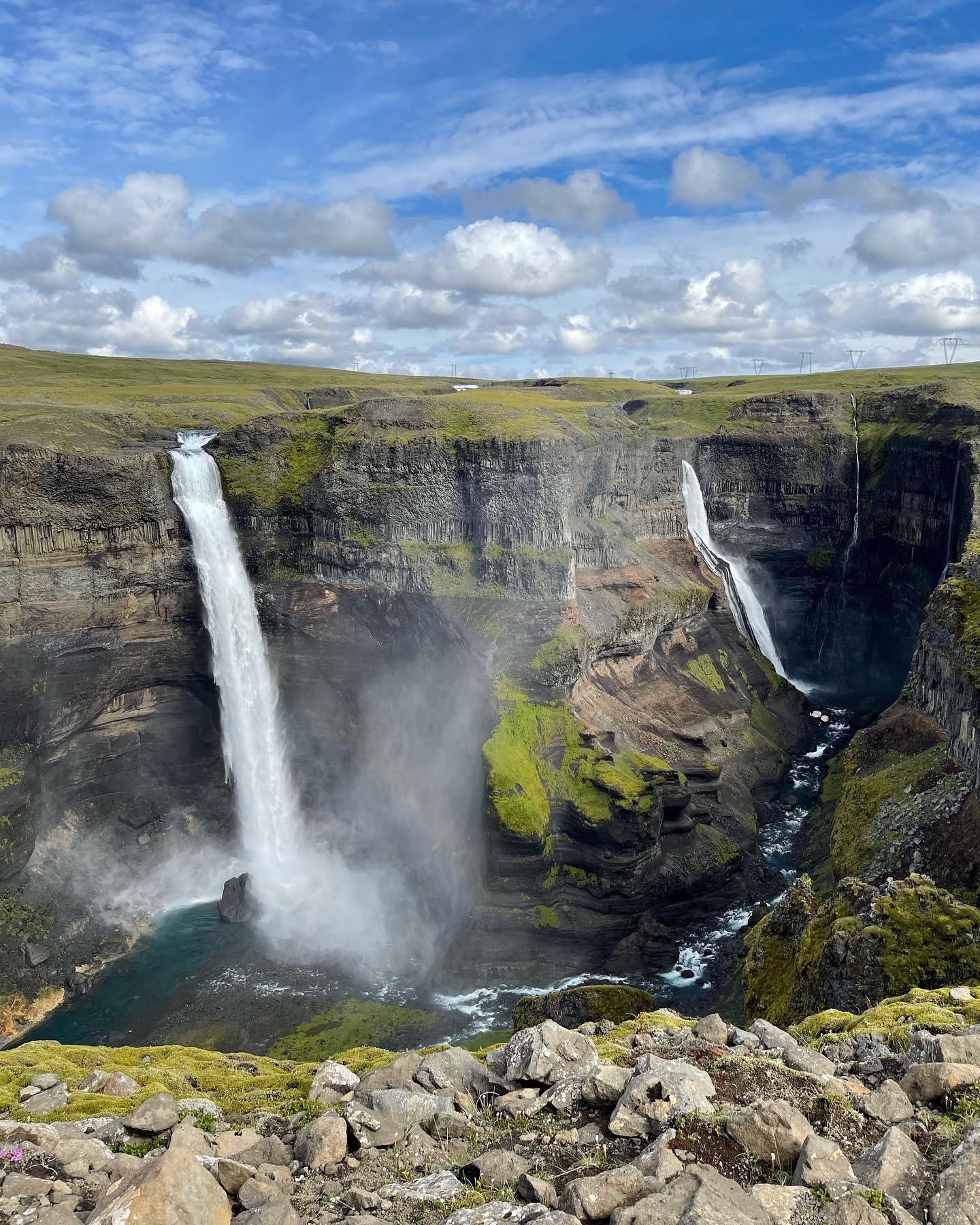
Háifoss is one of the clearest examples of why helicopters make sense in Iceland. It is one of the country’s tallest waterfalls, and its setting is as dramatic as the drop itself. The surrounding highland terrain gives it a sense of isolation that is hard to appreciate from the ground alone.

By air, the approach builds the moment properly. You see the river system, the canyon shape, and the scale of the surrounding land before the waterfall comes into full view. That approach is hard to replicate with any road-based itinerary.

South Coast waterfalls from above

The South Coast is home to some of Iceland’s most visited waterfalls, but aerial viewing changes even the familiar ones. Waterfalls that are often photographed from a single iconic angle look entirely different from above. You start to notice cliff lines, hidden streams, and the broad sweep of the coast nearby.

This is especially appealing for guests who want an elevated experience without giving up recognizable landmarks. A helicopter can turn a classic South Coast day into something more private and more complete.

Remote falls that are hard to fold into a standard trip

Then there are the waterfalls that do not fit neatly into a rental-car plan. Interior routes can be rough, seasonal, and time-consuming. Some destinations simply work better as part of a chartered scenic flight, particularly for travelers focused on photography, premium access, or celebrating a special occasion.

That is where a tailored route becomes valuable. Rather than choosing from what is easiest by road, you can choose based on what you actually want to see.

What the flight experience is actually like

A premium waterfall flight is not just about the moment you reach the destination. The route out of Reykjavík or northern Iceland can be as memorable as the landing area itself. You lift off over the city or coast, then quickly leave roads and settlements behind. The terrain starts opening up in layers – ridges, volcanic plains, glacial rivers, cratered surfaces, and sudden cuts in the land where water has done its work over centuries.

If conditions allow, a landing near a scenic location adds another dimension. Seeing a waterfall from above is one thing. Stepping out into a remote setting with the aircraft nearby is another. It creates the feeling of having entered a part of Iceland that most visitors never reach.

That said, weather and safety always come first. Iceland rewards flexibility. The best helicopter operators are clear about that. Wind, visibility, and local conditions shape what is possible on the day, and in a place like Iceland, that is not a drawback – it is simply part of flying responsibly in a dynamic environment.

Is a private helicopter tour to Iceland waterfalls worth it?

For the right traveler, yes. But it depends on what you value.

If your goal is to check off as many major stops as possible at the lowest cost, a helicopter is not the right tool. A road trip will always be more economical. If your goal is to turn one day into something exceptional, avoid long transfers, reach remote scenery, and experience Iceland with more privacy and freedom, the equation changes.

Private flights are particularly strong for milestone trips, proposals, family celebrations, luxury itineraries, and photography-focused travel. They also work well for visitors combining several interests in one day – waterfalls, volcanoes, glaciers, or highland landings rather than one fixed route.

That flexibility is where operators like HeliAir stand out. A structured sightseeing tour can be ideal if you want a defined experience and a clear flight length. A custom charter makes more sense if you have specific waterfalls in mind, want to pair them with other landscapes, or need logistics shaped around your schedule.

How to choose the right waterfall flight

The best choice starts with three practical questions: how much time you have, how private you want the experience to be, and whether the waterfall is the main event or one part of a broader aerial day.

Short scenic flight or longer custom itinerary

A shorter scenic tour suits travelers who want a premium introduction to Iceland from the air without committing a full day. You still get dramatic views and a sense of the country’s scale. A longer itinerary gives you room to go deeper into the highlands or combine multiple landmark areas in one flight.

There is no universal best option here. A couple on a short luxury stopover may get exactly what they want from a compact but polished scenic route. A private group with photography goals may need more time, more routing flexibility, and carefully chosen landing points.

Shared experience or full private charter

Some guests are happy with a scheduled tour format. Others want complete control over timing, passenger group, and destination mix. Private charters usually make the most sense when the day matters as much as the scenery – anniversaries, family travel, content production, or high-end itineraries where convenience is part of the value.

Season and conditions

Waterfalls are not static in Iceland. Their surroundings change with light, snow cover, river volume, and access conditions. Summer can open up more of the interior. Shoulder seasons can bring sharper contrast and fewer people in the wider travel landscape. Winter can be spectacular, but flight planning becomes even more weather-dependent.

This is one of those experiences where local guidance matters. The strongest itineraries are not built from a map alone. They are built around current conditions and a realistic understanding of what will look best on the day.

Who this experience suits best

A helicopter waterfall tour is especially compelling for travelers who want Iceland to feel expansive rather than rushed. If you are staying in Reykjavík and want to see far more than the Golden Circle can offer in a day, it is a smart use of time. If you are building a premium itinerary, it adds a level of exclusivity that road travel cannot match.

It also suits guests who care deeply about perspective. Photographers, landscape lovers, and anyone who has looked at Iceland on a map and thought the roads seem to miss the point will understand the appeal immediately. Seeing the country from above gives context to everything else you do on the ground.

The best part is that the experience can be shaped to fit the traveler. Some want a focused route to dramatic waterfalls. Others want waterfalls as part of a bigger flight that includes volcanoes, glaciers, black sand terrain, or remote mountain landings. Iceland is one of the few places where that kind of day feels not only possible, but natural.

If you are considering it, think less about whether a helicopter is the fastest way to reach a waterfall and more about whether you want to experience the country in a way that road travel simply cannot offer. That is usually where the answer becomes clear.

Iceland Glacier Helicopter Tour Guide

A glacier looks permanent from the road. From the air, it looks alive.

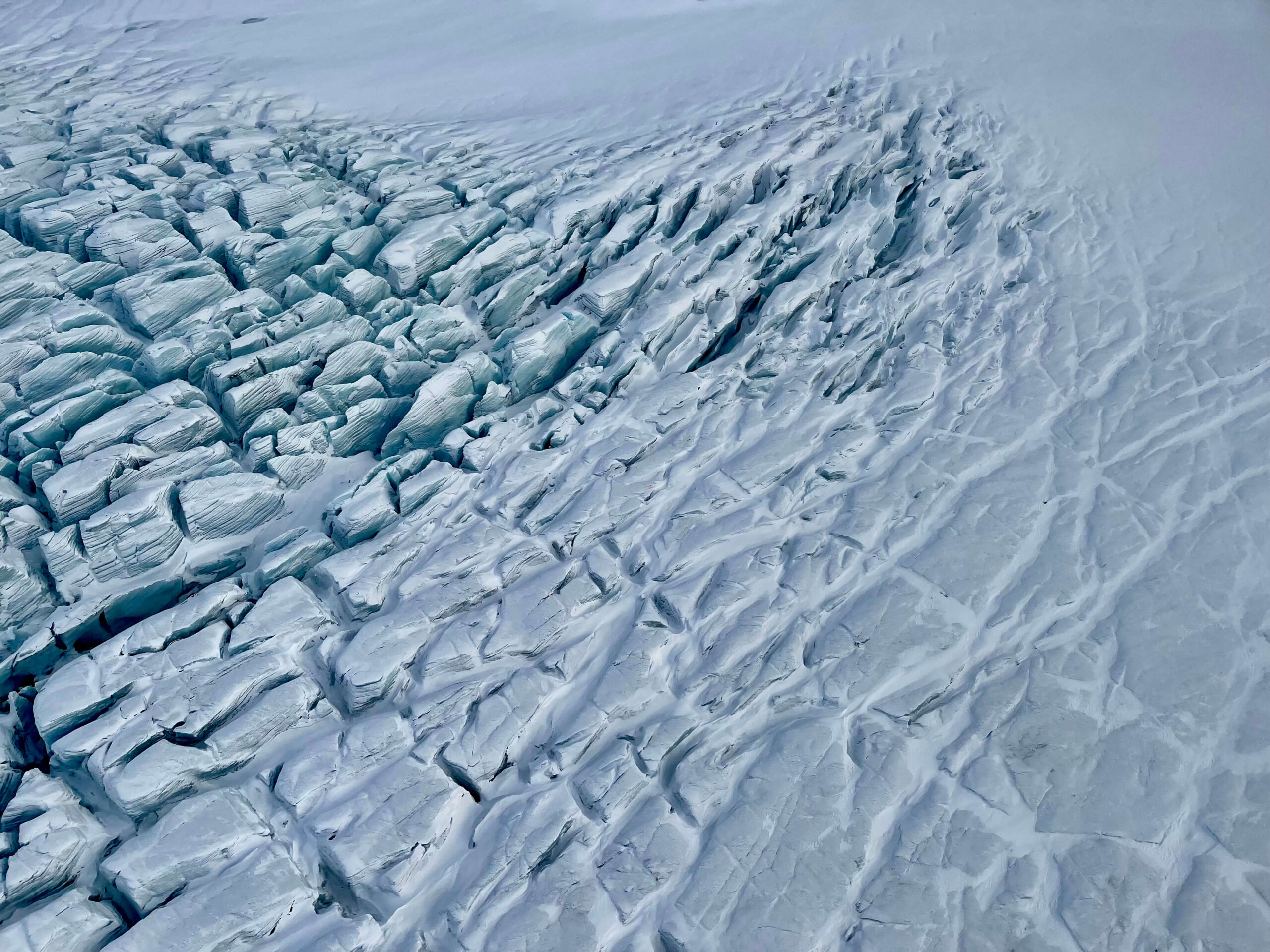
That shift in perspective is the real appeal of an iceland glacier helicopter tour. You are not just checking a landmark off an itinerary. You are seeing how ice fields spill into black volcanic terrain, how crevasses open into deep blue fractures, and how quickly Iceland’s landscapes change once you leave the main roads behind.

For travelers who want more than a scenic transfer, a helicopter flight over Iceland’s glaciers delivers two things at once: access and scale. It compresses long overland travel into a single experience, and it reveals parts of the country that are difficult to understand from ground level alone.

Why an Iceland glacier helicopter tour stands apart

Many Iceland excursions promise dramatic scenery. Very few change your sense of distance the way a helicopter does.

A glacier seen from a roadside viewpoint is impressive. A glacier approached by air is something else entirely. You can follow the shape of the ice cap, see meltwater channels cutting through ash-dark earth, and often combine the flight with nearby waterfalls, volcanic ridges, geothermal areas, or remote highlands that would otherwise require an all-day ground journey.

That matters if your schedule is tight, but it also matters if your expectations are high. Premium travelers are often not looking for more activity for the sake of it. They want the best version of a place. In Iceland, that often means going above it.

The other distinction is flexibility. Fixed-wing sightseeing has range, but helicopters offer precision. You can circle a feature, adjust for visibility, and in the right conditions land in places that make the experience feel personal rather than panoramic-only.

What you actually see from the air

Not all glacier flights are identical, and that is where expectations matter. Some routes focus on a major glacier system. Others build a broader scenic composition around the ice itself.

A well-planned glacier flight can include sweeping views of ice caps, outlet glaciers, volcanic craters, braided rivers, moss-covered lava fields, and isolated waterfalls in one route. This contrast is part of what makes Iceland so photogenic from above. Few places put white ice, black sand, green highlands, and silver water into the same frame with such clarity.

If conditions allow for a landing, the experience shifts again. Stepping out onto a glacier or a nearby alpine ridge adds silence, texture, and a sense of remoteness that is hard to replicate anywhere else. The landing is often the part guests remember most, not because it is long, but because it changes the flight from sightseeing into presence.

Shared tour or private charter?

This is usually the most important planning decision.

A shared sightseeing flight works well if you want a premium experience with a defined route and predictable timing. It is often the right fit for couples, first-time visitors, and travelers who want a polished aerial experience without designing every detail.

A private iceland glacier helicopter tour makes more sense when the day needs to fit around you rather than the other way around. That could mean adjusting departure time, combining glacier views with a volcano or waterfall stop, building in extra photography time, or flying from a location that better suits your itinerary. For families, private groups, and travelers celebrating a milestone, that added control is often what makes the experience feel truly exceptional.

There is also a practical side. Photographers may care about light angle and seat positioning. Some guests want to pair a glacier landing with a proposal, a remote picnic, or a custom day that includes multiple regions. In those cases, a charter is not just more luxurious. It is more functional.

When to go, and why weather matters

Iceland rewards flexibility. Helicopter travel depends on it.

Glacier flights operate year-round, but the character of the experience changes by season. In summer, you get longer daylight, softer late-night light, and easier scheduling around broader travel plans. The landscape often appears more contrasted, with exposed volcanic ground and active meltwater patterns creating dramatic visual lines.

Winter can be spectacular in a different way. Snow cover softens the terrain, low sun creates richer shadows, and clear days can feel almost cinematic. But winter also tends to bring more weather disruption, and daylight is shorter. That does not make winter a poor choice. It simply means it is best for travelers who can build some flexibility into their schedule.

Even in peak season, no serious operator will promise conditions too far in advance. Visibility, wind, and local weather patterns can change quickly around glaciers and mountain terrain. That is not a drawback of helicopter touring in Iceland. It is part of doing it properly.

The best mindset is simple: book the experience you want, but leave room for operational judgment. Experienced local crews know when conditions are excellent, when a route needs adjustment, and when postponing is the safer call.

How long should the flight be?

This depends on what you want the glacier to be within the day.

If the glacier is the centerpiece, a longer scenic flight or private charter is usually the better choice. Shorter flights can deliver impressive views, but they may feel more like an introduction than a full experience, especially if you are traveling a long way and want at least one standout aviation day in Iceland.

A 1.5-hour flight can be ideal if you want a refined overview and one major visual highlight. A 2.5-hour to 3.5-hour experience opens the door to a much richer route, often combining glaciers with additional natural features that give Iceland its dramatic variety. Full-day private helicopter touring is a different category altogether – built for travelers who want access to remote areas without spending half the day in transit.

This is one of those cases where longer often is better, but only if the route is thoughtfully designed. Duration by itself is not the luxury. Access is.

What makes a glacier landing worth it

A flight without a landing can still be outstanding. But if landing is available, it deserves serious consideration.

The reason is not novelty alone. A landing gives scale to the landscape. From the cabin, crevasses, ridgelines, and ice formations look abstractly beautiful. Once you step onto the terrain, the dimensions become real. You feel the cold air moving across the ice, hear how quiet the environment is, and see details that disappear from altitude.

For many guests, this is where the premium value becomes obvious. You are no longer just looking at Iceland’s interior. You are in it, briefly and safely, in a place few travelers reach.

Of course, landings depend on route, aircraft, and conditions. Not every day, and not every location, will support the same plan. That is why it helps to work with an operator that treats custom planning as part of the service rather than an afterthought.

Pricing, expectations, and what you are really paying for

An iceland glacier helicopter tour is a premium purchase. It should be approached that way.

You are paying for aircraft time, specialist crew, weather planning, route expertise, operational safety, and access to places that would otherwise require serious logistical effort. If the price seems higher than a luxury ground excursion, that is because the experience is not simply transportation plus scenery. It is aviation, guiding, and destination access in one.

The real value question is whether the flight changes your trip enough to justify the spend. For many travelers, it does. A helicopter day can replace several long drives, reach more remote terrain, and create a much stronger memory than stacking standard tours back to back.

Private charters, naturally, cost more than seat-based sightseeing. But for groups, milestone trips, and high-end itineraries, the gap may be smaller than expected once you factor in time saved, route control, and the ability to combine multiple destination types in one day.

How to choose the right operator

This is not the place to shop on headline price alone.

Look for an Iceland-based helicopter company with real local operating knowledge, clear communication around weather and flight conditions, and the ability to offer both structured tours and custom itineraries. That combination matters because the best glacier flights often sit between standard and bespoke. You may want the convenience of an established route with just enough flexibility to make it fit your trip.

It also helps to choose an operator that understands Iceland beyond tourism. Companies that handle charter work, logistics, aerial filming, or technical aviation tend to bring a deeper operational discipline to every flight. For a premium guest, that translates into confidence.

This is where HeliAir’s approach feels especially relevant. The ability to offer scenic glacier-focused flights, tailor private journeys, and work from more than one base gives travelers more options than a one-size-fits-all sightseeing model.

Who gets the most from this experience

Not every Iceland visitor needs a helicopter. But some travelers absolutely should consider one.

If you are celebrating something significant, traveling with limited time, building a luxury itinerary, or simply want one experience that feels unmistakably Icelandic and difficult to replicate elsewhere, a glacier flight is a strong contender. The same goes for photographers, private groups, and repeat visitors who have already seen the South Coast by road and want a more elevated perspective in every sense.

There is also a less obvious fit: travelers who value comfort as much as adventure. Helicopter touring lets you reach wild terrain without committing to long drives, rough access roads, or physically demanding approaches. You still get the drama. You just arrive differently.

The right flight over Iceland is not about seeing more for the sake of more. It is about choosing one extraordinary vantage point and letting the country reveal why distance, terrain, and light matter so much here.

Reykjavik Helicopter Tours Worth Taking

A road trip in Iceland asks for time. A helicopter asks for curiosity. Reykjavik helicopter tours are for travelers who want to trade long drives and crowded viewpoints for direct access to the landscapes that make Iceland unforgettable.

From the air, the logic of the country changes. Lava fields stretch in black ribbons toward the coast, river canyons cut through the highlands, and glacier tongues spill into valleys that feel almost unreachable from the ground. What looks distant on a map becomes part of a single flight plan, and that is the real appeal – not just seeing more, but seeing Iceland in a way that feels private, efficient, and far more dramatic.

Why Reykjavik helicopter tours stand out

Reykjavik is the natural starting point for premium helicopter travel in Iceland because it puts you close to both urban convenience and major natural landmarks. You can lift off from the capital and be over geothermal areas, volcanic terrain, waterfalls, or mountain ridges in remarkably little time. For visitors on a short itinerary, that matters.

The bigger advantage is flexibility. A well-planned helicopter experience can combine sightseeing with access. One flight might be built around a scenic circuit with a landing on a remote summit. Another might focus on photographing glaciers in low-angle light. A private group might want a half-day excursion that includes several landings, while another traveler may prefer a shorter scenic flight that fits neatly between dinner reservations and a spa visit.

That range is what separates helicopter touring from standard bus or Super Jeep travel. Ground tours can be excellent, but they are shaped by roads, daylight hours, and driving time. Helicopters remove much of that friction. You spend more of your day in the places you came to see, and less of it getting there.

What you can see from Reykjavik helicopter tours

The short answer is a surprising amount. The better answer depends on season, weather, and how much flight time you want.

Volcanic landscapes are often the first thing travelers ask for, and for good reason. Iceland’s recent eruptions have made the Reykjanes Peninsula especially compelling from the air. Fresh lava fields, crater systems, and rugged geothermal ground reveal patterns that are nearly impossible to understand from roadside viewpoints alone. If current activity and flight conditions allow, volcano-focused routes can deliver one of the most memorable aerial experiences in Europe.

Glaciers offer a different mood entirely. Where volcano flights feel raw and restless, glacier flights feel immense and still. Ice caps, crevasses, ash-streaked snow, and braided outwash plains create scale that photography rarely captures well from the ground. A helicopter gives you perspective, but it can also give you access. A remote landing can turn a scenic flight into something more personal and far less scripted.

Waterfalls and canyon systems are another strong fit for aerial touring. Iceland has famous roadside falls, but some of the country’s most striking cascades sit far from the main tourist loop. Reaching them by helicopter means less compromise. Instead of building a full day around rough roads and detours, you can fold spectacular natural landmarks into a tighter, more comfortable itinerary.

Then there are the highlands. For many travelers, this is where Iceland feels most exclusive. The interior is vast, weather-shaped, and seasonal in ways many first-time visitors do not expect. Some areas are inaccessible for part of the year, and even when roads are open, travel can be slow. A helicopter turns that remoteness into an advantage.

Choosing the right flight length

Not every traveler needs the longest tour. The right option depends on what kind of experience you want to remember.

Shorter scenic flights are best for travelers who want the sensation of Iceland from above without committing half a day. They work well for first-time helicopter passengers, couples fitting several premium activities into one trip, and families who want a high-impact experience with minimal logistics. You still get the thrill of takeoff from Reykjavik and sweeping views over dramatic terrain, but the emphasis is on efficiency.

Mid-length flights usually offer the best balance. They allow enough time to move beyond the immediate surroundings of the capital and into more varied country. This is where routes begin to feel immersive rather than introductory. If your goal is to combine a few major landscape types – for example volcanic ground, mountain ridges, and a landing site – this range often makes the most sense.

Longer and private flights are where customization becomes the main event. These are ideal for travelers who know exactly what they want, or who want expert help designing something around a theme, location, or occasion. A proposal landing, a photography mission, a milestone birthday, or a multi-stop scenic day can all be built around a longer private charter. For guests who value privacy and control, this is usually the most satisfying option.

Scenic tour or custom charter?

This is one of the most useful decisions to make early.

A structured scenic tour is straightforward. Departure, route, and duration are predefined, which makes planning easier and often keeps costs more predictable. If you are primarily looking for a polished aerial sightseeing experience, this can be exactly the right choice.

A custom charter is better when the destination matters as much as the flight itself. Maybe you want to combine a glacier landing with aerial photos of a black-sand coastline. Maybe you need a direct transfer that also doubles as a scenic experience. Maybe your group wants to avoid fixed schedules altogether. Custom routing gives you more say, but it also depends more heavily on operational planning, weather windows, and aircraft availability.

That trade-off is worth understanding. More flexibility can create a far better experience, but only if the operator knows how to shape it realistically around Icelandic conditions.

What premium travelers should look for

Not all helicopter experiences are built the same, even when the destination list sounds similar. The strongest operators do more than sell views. They manage timing, route logic, safety, local weather judgment, and client expectations with real precision.

Local operating knowledge matters more in Iceland than many travelers assume. Conditions shift quickly, and the best experience is often the one adjusted intelligently rather than forced. A premium operator should be able to explain what is possible, what might change, and what alternatives still deliver a strong day if the original plan needs to move.

Aircraft quality and service style matter too, especially for luxury travelers and private groups. The experience should feel calm from the first contact onward. That means clear communication, realistic advice, and the ability to tailor a route around interests rather than fitting the traveler into a rigid format.

This is also where a company like HeliAir stands apart. When an operator handles both premium sightseeing and practical helicopter logistics, it usually brings a broader understanding of Icelandic flying conditions, route planning, and destination access. For the client, that translates into more confidence and more options.

When to book and what to expect from the weather

Iceland does not reward overconfidence with weather. A blue-sky morning can shift by afternoon, and wind can be as important as visibility. That does not mean helicopter touring is unreliable. It means the best experiences are built with some flexibility.

Summer offers long daylight hours and broad access to the interior, making it a strong season for extended scenic routes and highland-focused flights. Winter creates a different kind of beauty, with low light, snow-covered terrain, and sharper contrast across the landscape. The trade-off is that conditions can be more limiting and schedules may need more patience.

If you are booking a helicopter experience around a major trip moment, it helps to place it earlier in your itinerary when possible. That creates room to adjust if weather requires a shift. It is a practical move, and in Iceland, practical planning often protects the premium experience.

Who gets the most from Reykjavik helicopter tours

These flights are especially well suited to travelers who value time, privacy, and access. If you are in Iceland for a long weekend and want to see more than the usual road-based circuit, a helicopter can change the scale of your trip. If you are celebrating something significant, the setting does much of the work for you.

They also make sense for photographers, private groups, and travelers who have already seen Iceland once from the ground. On a return visit, the question often shifts from what to see to how to see it differently. A helicopter is one of the clearest answers.

The best Reykjavik helicopter tours do not try to replace the rest of Iceland. They give you another way into it – faster, closer, and with a level of perspective that roads simply cannot offer. If you are the kind of traveler who would rather shape the day around the landscape than around the highway, this is where the trip starts to feel exceptional.

Can You Fly Over Iceland Volcano Safely?

If you are planning a helicopter trip in Iceland, one question usually comes up fast: can you fly over Iceland volcano landscapes, or are they off-limits once activity starts? The short answer is yes, sometimes you can – but only when conditions, airspace, and safety assessments allow it.

That distinction matters. Iceland’s volcanic areas are not theme-park attractions with fixed access rules. They are active geological systems, and flight decisions change with weather, gas levels, ash, visibility, eruption intensity, and guidance from aviation and civil protection authorities. For travelers, photographers, and private groups, that means the experience can be extraordinary, but it is never casual.

Can you fly over Iceland volcano areas during an eruption?

Yes, aircraft can and do operate near volcanic areas in Iceland, including during eruptive periods, but not as a blanket rule and not on demand at any cost. Whether a helicopter can fly over or around a volcano depends on the specific eruption and the exact hazards present that day.

A slow fissure eruption with limited ash may allow carefully planned scenic flights at approved distances and altitudes. A more explosive event with heavy ash, unstable wind direction, or elevated gas concentrations can shut down access quickly. Even when the volcano itself looks visually calm, the surrounding air may not be suitable for flight.

This is where local operational judgment matters. An experienced Iceland-based helicopter operator is not simply deciding whether the view is good. The real question is whether the route can be flown safely, legally, and with a useful margin if conditions change.

Why the answer is not always simple

People often imagine volcano flights as a matter of flying directly above lava. In reality, the decision starts much earlier, with the type of eruption. Iceland sees different volcanic behavior, and each one affects aviation differently.

Ash is one of the biggest concerns. Fine volcanic ash can damage aircraft systems and engines, reduce visibility, and create serious operational risk. Gas exposure is another issue. Depending on wind and terrain, volcanic gases can collect in certain areas or drift across likely flight paths. Then there is the weather itself. Icelandic weather changes quickly, and volcanic regions are often in remote terrain where cloud cover, wind, and visibility can tighten flight options fast.

That is why a premium volcano flight is never just a sightseeing loop. It is a carefully managed operation shaped by live information, route flexibility, and conservative decision-making.

What a volcano flight in Iceland usually looks like

When conditions are suitable, volcano flights are designed to give you the best perspective without pushing into unsafe airspace or unstable zones. That may mean orbiting the active site rather than passing directly overhead. It may mean approaching from one side only, staying at a controlled altitude, or changing the route mid-flight if wind or visibility shifts.

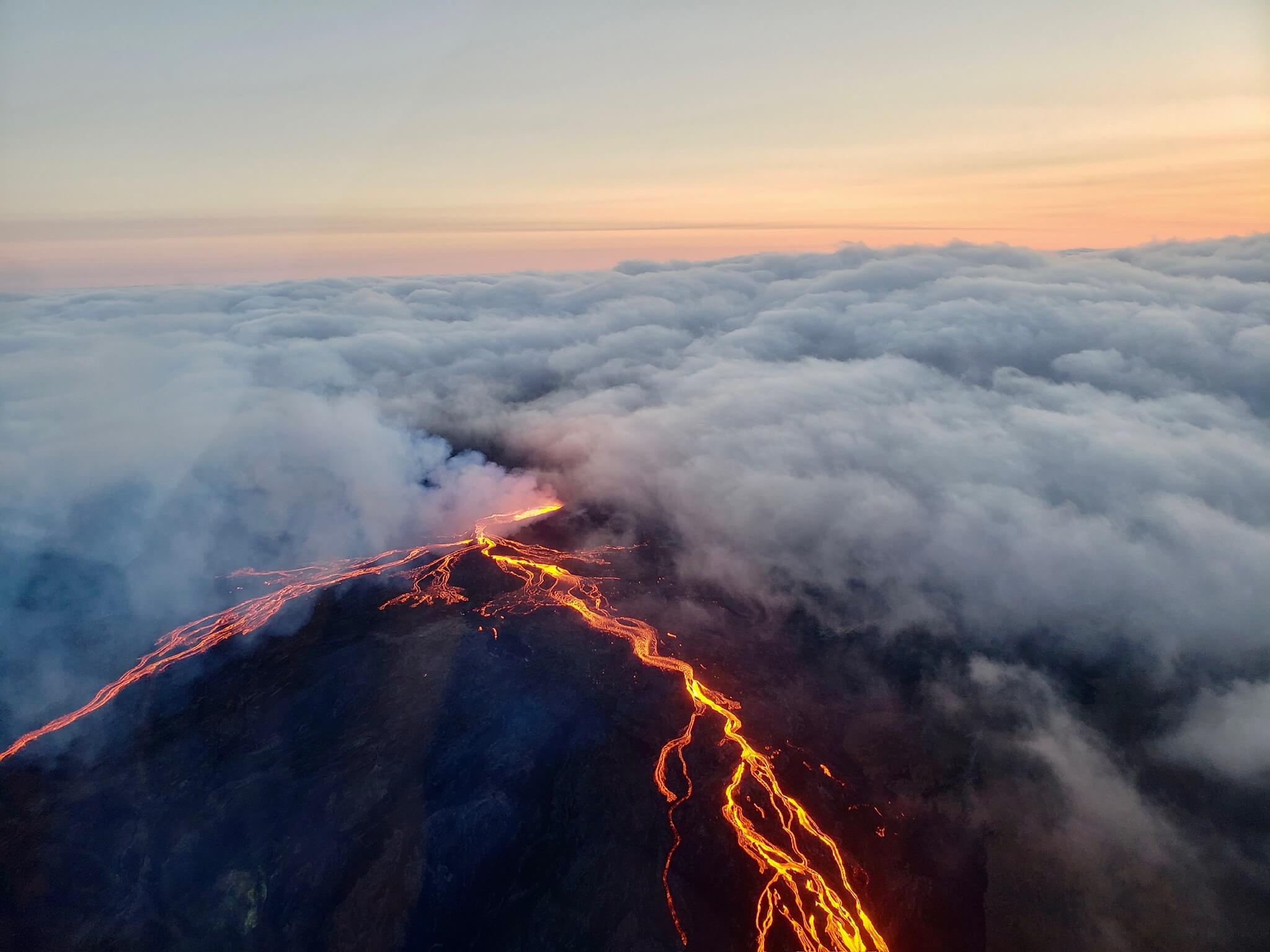
For guests, that often translates into something better than a simple flyover. From a helicopter, you can see how the lava field sits inside the wider Icelandic landscape – black ridgelines, fresh fissures, steam columns, old craters, moss-covered fields, and coastline or highlands beyond. The scale is hard to understand from the ground. From the air, it becomes obvious.

Some flights are purely scenic. Others are tailored for photographers, private groups, or travelers who want to combine a volcano with glaciers, waterfalls, geothermal areas, or a remote landing elsewhere on the same journey. That flexibility is one of the strongest reasons people choose a helicopter in Iceland rather than committing to a long ground route with uncertain access.

Can you fly over Iceland volcano sites year-round?

Not exactly. You can fly in Iceland year-round, but volcano access is always seasonal in a practical sense because daylight, weather patterns, and storm frequency all affect what is feasible.

Summer offers longer daylight windows and generally more scheduling flexibility. Shoulder seasons can be excellent for dramatic light and fewer crowds, though conditions can change quickly. Winter flights can be spectacular, especially when volcanic terrain contrasts with snow and low sun, but weather margins are tighter and routes may need to stay more flexible.

The volcano itself also changes over time. A newly active area may be visually intense for a short period, then transition into a quieter but still striking landscape of cooling lava, steam, and fresh geological scars. Even if an eruption is no longer headline news, the aerial experience can remain remarkable.

What stops a helicopter from flying over a volcano?

There are several reasons a flight might be adjusted, delayed, or canceled, and most of them are exactly the reasons you want a serious operator making the call.

The first is airspace restriction. Icelandic authorities may establish temporary no-fly zones or operational limits around active volcanic systems. The second is ash and gas. Even if the landscape is visible, the air may not be suitable. The third is weather, especially wind, low cloud, icing conditions, or poor visibility around the route.

There is also the matter of landing access. Some guests assume a volcano tour always includes a landing near the site. That depends heavily on terrain, heat, surface stability, local restrictions, and current hazard assessments. In some cases, the best and safest experience is an aerial circuit with no landing at all.

For travelers used to luxury experiences with fixed itineraries, this is one of the few places where flexibility is part of the premium. The aircraft may be private, the service high-touch, and the route bespoke, but nature still sets the final terms.

Why helicopter access changes the experience

Driving to Iceland’s volcanic regions can take hours, and when activity is ongoing, ground access may be limited, crowded, or closed altogether. A helicopter changes the equation. You can reach remote volcanic landscapes quickly, avoid long overland detours, and build a broader day around what matters most to you.

That might mean combining a volcano with a glacier valley and waterfall. It might mean departing from Reykjavík, viewing an active zone from the air, then continuing to a remote landing site for a private moment away from the usual visitor flow. For photographers and private groups, it also means perspective control. You are not limited to one overlook or one trail. You can see the land as a connected system.

This is where an operator like HeliAir becomes valuable. The goal is not simply to sell a seat with a volcano in the distance. It is to shape a flight around the best possible conditions, the right aircraft, and the kind of experience you actually came to Iceland for.

Is it safe to book a volcano flight in advance?

Yes, with the right expectations. Booking in advance is often the best way to secure aircraft availability, especially during peak travel periods or when interest in a specific eruption is high. But advance booking should come with a clear understanding that volcano flying is condition-dependent.

A well-run operator will explain that routes may change, timings may shift, and cancellations sometimes happen for sound operational reasons. That is not a weakness in the product. It is a sign that safety standards are being taken seriously.

If your trip to Iceland is built around a volcano experience, it helps to leave some flexibility in your itinerary. A wider travel window can improve your chances of flying in the best conditions. Private charter travelers often have the greatest flexibility because routes and timing can be adjusted more precisely around the day’s conditions.

What you should expect before you fly

If you are considering a volcano flight, expect a conversation rather than a generic booking flow. The useful questions are practical ones: Which volcano area is active or visually strongest right now? Are scenic overflights operating? Is a landing realistic? How much time should you allow? Can the flight be combined with other landmarks or tailored for photography?

You should also expect honest answers. Sometimes the right answer is yes, the conditions are excellent. Sometimes it is yes, but with route limits. Sometimes it is not today. For a premium aviation experience in Iceland, that clarity is part of the service.

The best volcano flights are not defined by how close the aircraft gets to lava. They are defined by judgment, timing, and perspective. When conditions align, few travel experiences compare to seeing Iceland’s newest landscape from the air – raw, shifting, and still being formed beneath you.

If you are wondering whether this belongs on your Iceland itinerary, the better question is not simply can you fly over Iceland volcano terrain. It is whether you want to experience it from the one vantage point that shows the full scale of what this country is constantly creating.