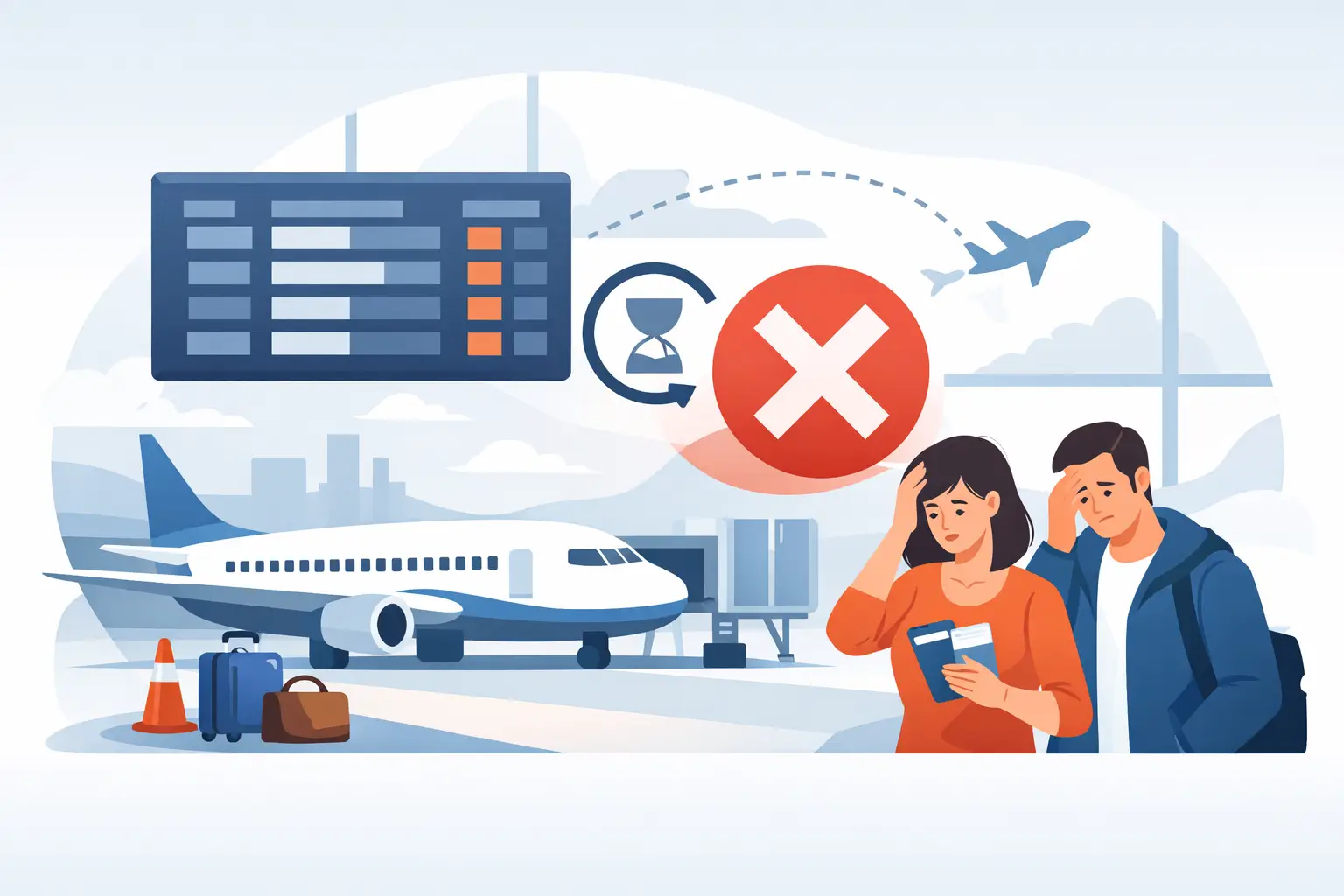
A canceled flight rarely feels like a small inconvenience when you are trying to reach Iceland on schedule, connect to a private transfer, or make a once-in-a-lifetime aerial tour. If you have ever wondered what happens during flight cancellations, the short answer is this: the airline starts reshuffling aircraft, crews, passengers, and airport resources at the same time you are trying to salvage your plans.
That overlap is why cancellations can feel chaotic from the passenger side even when there is a defined process behind them. Some outcomes are straightforward, like automatic rebooking. Others depend on the cause of the cancellation, the airport, the carrier, weather conditions, crew availability, and how full the next flights are. If your trip includes premium experiences, private bookings, or tight timing, understanding the mechanics helps you react faster and protect the parts of your itinerary that matter most.
What happens during flight cancellations behind the scenes
When an airline cancels a flight, the first decision is operational, not customer-facing. The carrier has to determine whether the problem is isolated or part of a wider disruption. A single aircraft maintenance issue is different from heavy fog, volcanic activity, strong winds, or air traffic restrictions affecting an entire region.
From there, the airline begins reallocating limited resources. Aircraft may be reassigned to higher-priority routes. Crews have legal duty-time limits, so one cancellation can trigger a chain reaction if pilots or cabin crew are no longer positioned where they need to be. Gate space, baggage handling, fueling windows, and maintenance support also come into play. To travelers, it can look like a simple cancelation notice on an app. In practice, it is a rapid restructuring of a network.
This is also why the timing of a cancellation matters. If your flight is canceled early in the day, the airline may have more options to move you. If it happens late at night or during a major weather event, the next workable seat may be much harder to find.
Why flights get canceled in the first place
Weather is the reason most travelers expect, and in Iceland or other North Atlantic destinations, it is a serious one. High winds, icing conditions, low visibility, and storm systems can make flight operations unsafe or unreliable. In those cases, cancellation is not a customer service failure. It is a safety decision.
But weather is only one piece of it. Mechanical issues can ground an aircraft until inspections or repairs are completed. Crew shortages and scheduling breakdowns can force cancellations even when the aircraft itself is ready. Air traffic control restrictions can reduce airport capacity. Occasionally, security events, airport infrastructure problems, or knock-on disruption from another city set the whole thing in motion.
For travelers, the reason matters because it often affects your rights, the airline’s obligations, and how quickly the schedule recovers. A weather cancellation usually creates fewer compensation options but often affects many passengers at once. A staffing or maintenance issue may leave more room for reimbursement claims, depending on the route and carrier policies.
What you can usually expect from the airline
The first outcome is normally rebooking. Many airlines now do this automatically and notify passengers through email, text, or their app. Sometimes the new itinerary is acceptable. Sometimes it is a poor fit, especially if it turns a direct route into a long connection or arrives too late to keep the rest of your plans intact.
If rebooking does not work for you, a refund may be available instead. That sounds simple, but it often depends on whether you choose to travel later, whether part of the ticket has already been used, and whether the cancellation happened on the airline’s side or as part of broader disruption. If you booked through a third party, the process can be slower because the airline and booking platform each control part of the transaction.
You may also be entitled to meal vouchers, hotel accommodation, or ground transportation if the delay stretches overnight. That is not universal. It often depends on local regulations, the reason for the cancellation, and the airline’s terms. Premium cabin status can help with service priority, but it does not change the operational facts if no seats are available.
What happens during flight cancellations if you have connections
Connecting itineraries are where things become more expensive and more personal. If all flights are on one ticket, the airline generally has a responsibility to get you to your final destination, even if the new routing changes significantly. If your trip is split across separate tickets, the protection is much thinner. Missing a second flight because the first one was canceled may leave you dealing with two unrelated reservations.
This matters even more when the trip includes a private driver, a helicopter transfer, a charter departure, a hotel check-in window, or a guided experience with a fixed launch time. Airlines usually focus on transporting you from airport to airport. They do not automatically cover the ripple effect on the rest of your itinerary.
That is why travelers booking premium experiences should build in margin where possible. A same-day connection from an international arrival into a highly tailored experience can work beautifully when operations run on time. It can also become very tight if the inbound segment slips or disappears.
Your baggage does not always follow the same timeline
One of the most frustrating parts of a cancellation is baggage uncertainty. If checked bags were already accepted and loaded before the flight was canceled, they may need to be unloaded, retagged, stored, or rerouted. During heavy disruption, retrieving luggage quickly is not always possible.
If you are rebooked on the next available flight, the bags may travel with you. If your travel plans change more dramatically, baggage can lag behind. Essentials like medication, valuables, travel documents, camera gear, and cold-weather layers should stay in your carry-on for exactly this reason.
For travelers headed into remote parts of Iceland or onto experience-based itineraries, baggage delays are more than an annoyance. They can affect what you are able to do when you arrive. A scenic helicopter landing on a glacier is very different if your outerwear never made the connection.
How to respond without making a bad situation worse
The first move is to confirm the cancellation directly with the airline and review every rebooking option before accepting the first one offered. Automatic rebooking is convenient, but not always optimal. A different departure city, a partner airline, or a later flight with a cleaner arrival time may serve you better.
Then look beyond the ticket. Contact your hotel, transfer provider, or activity operator as early as possible. High-touch travel works best when everyone has accurate timing. If your plans in Iceland involve custom logistics, early communication gives operators a better chance to adapt. Companies used to working in aviation-heavy environments understand that weather and schedule changes are part of the landscape, but they still need notice.
Keep receipts if you pay out of pocket for meals, transport, or accommodation. Document the cancellation reason as stated by the airline, especially if compensation may later depend on it. Screenshots, emails, and app alerts are useful.
Most importantly, separate what is urgent from what is merely annoying. Your immediate priorities are getting confirmed space on a workable route, preserving any high-value bookings, and making sure you have what you need for an overnight disruption if one develops.
Special considerations for Iceland-bound travelers
Iceland rewards ambitious itineraries, but it also rewards realistic planning. Weather can change quickly, and flights into or out of the country can be affected by wind, visibility, and seasonal conditions even when things look manageable elsewhere. That does not mean travel is unreliable. It means flexibility is part of traveling well here.
If your itinerary includes premium aviation services, private touring, or remote landings, a canceled airline flight does not automatically cancel the value of the trip. It may simply shift the order of things. In some cases, moving a tour to the next clear weather window is possible. In others, especially with highly customized bookings, alternatives depend on aircraft availability, daylight, and local conditions. It depends on the exact route, season, and timing.
This is where working with operators who understand Iceland’s terrain and operational realities makes a difference. HeliAir, for example, builds around customization, which is especially useful when travel plans need to be adjusted rather than abandoned.
A canceled flight is frustrating because it interrupts momentum. But cancellations are not random from the operational side, and they do not always have to derail the experience you came for. The travelers who recover best are usually the ones who stay calm, act quickly, and protect the parts of the trip that matter most.