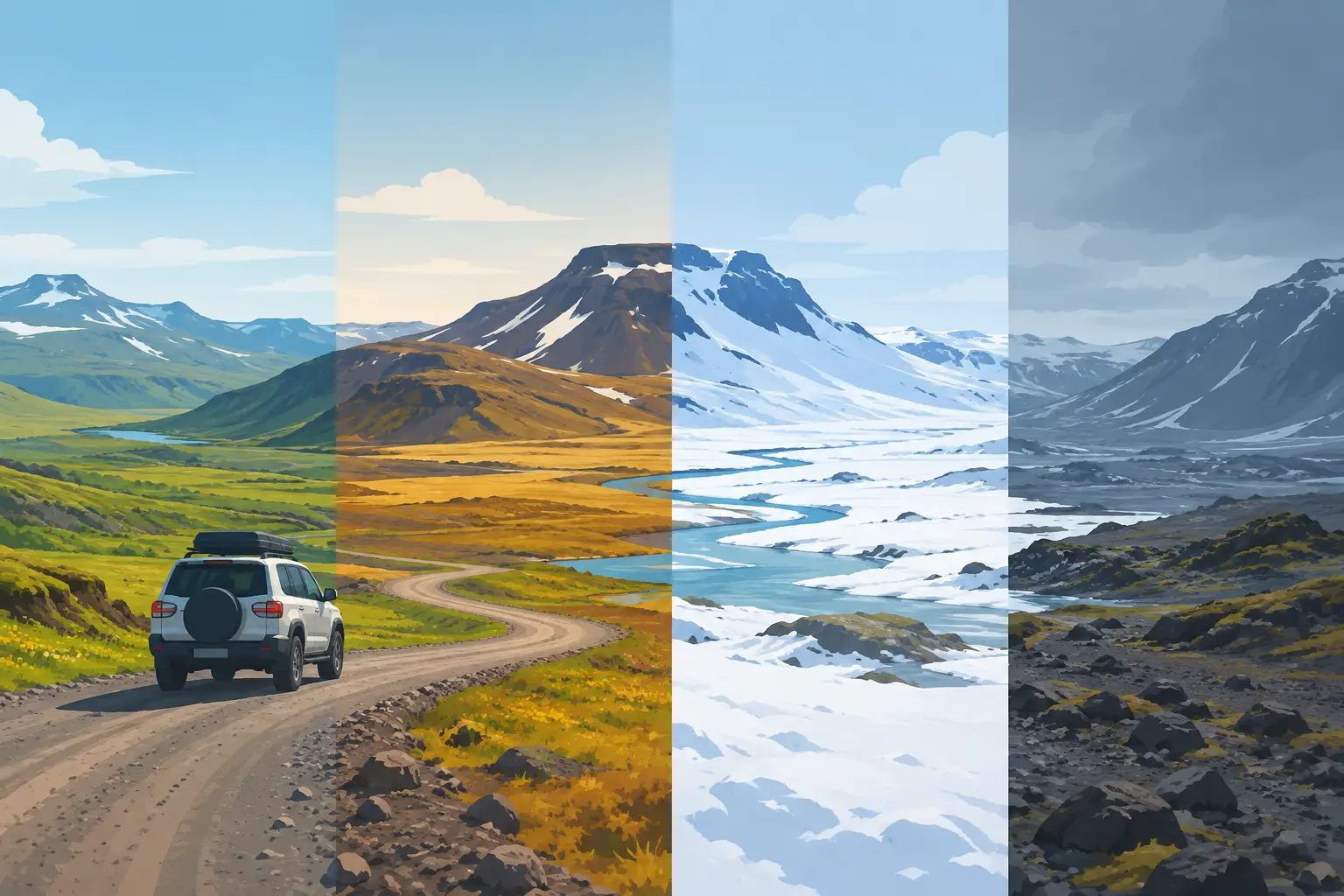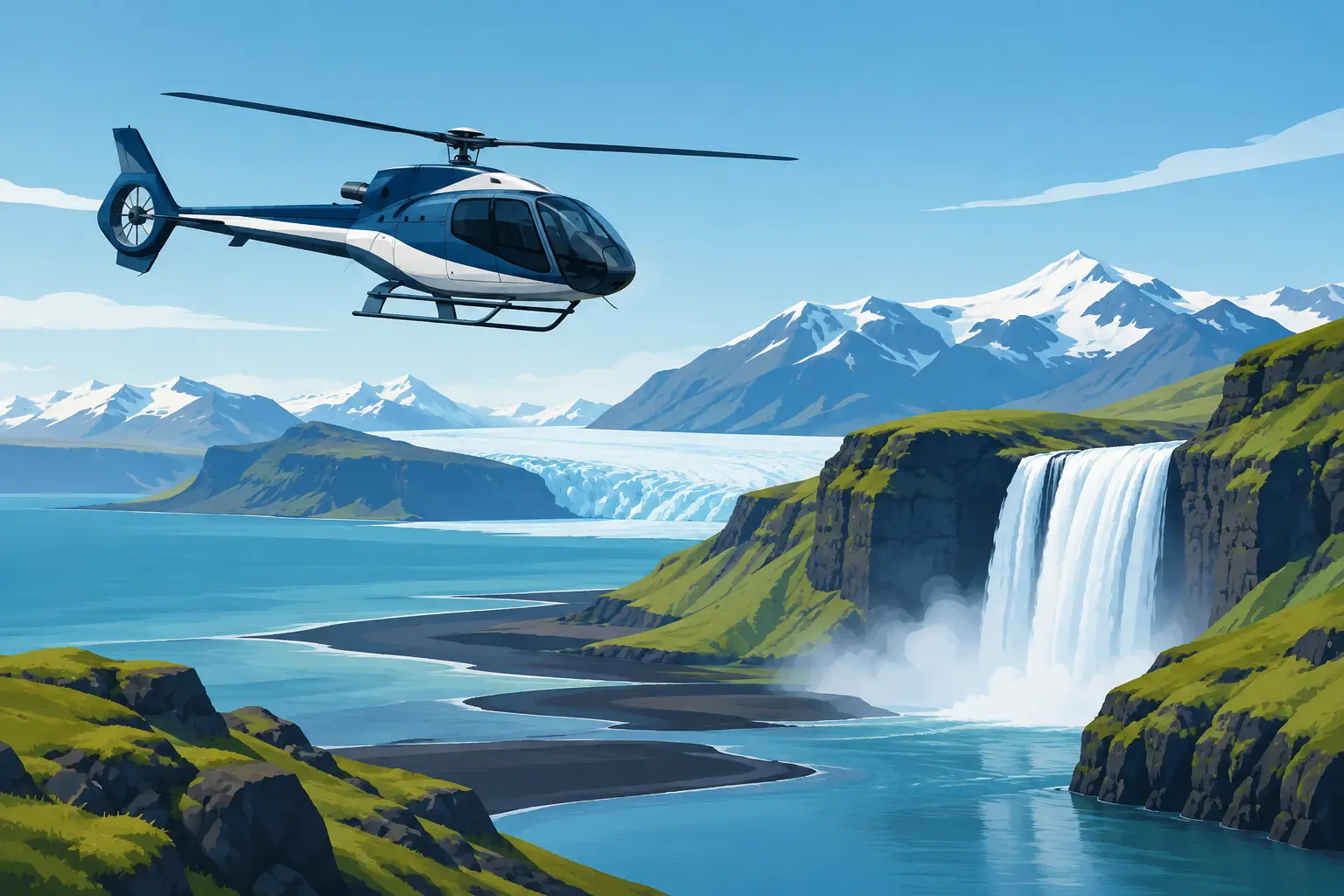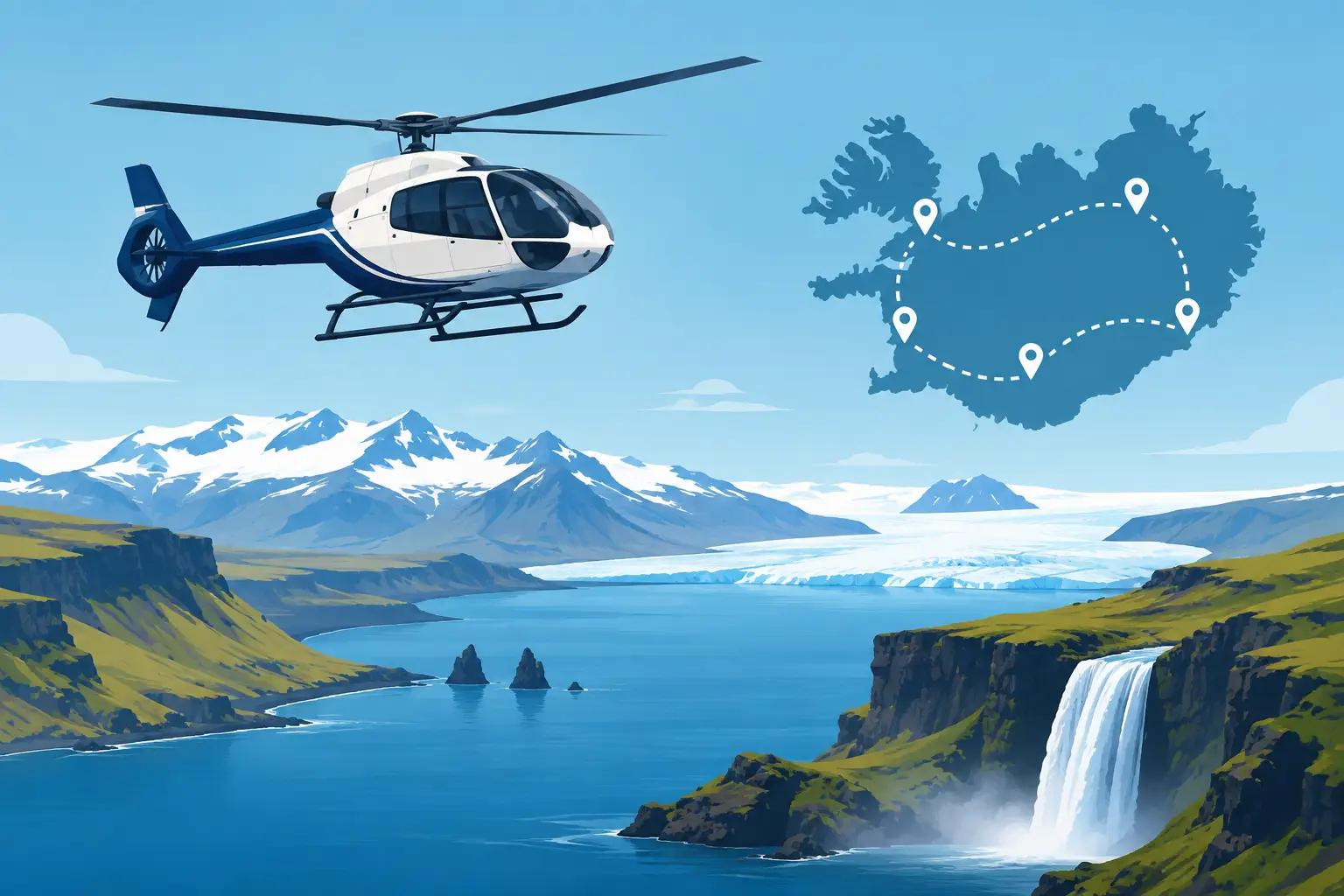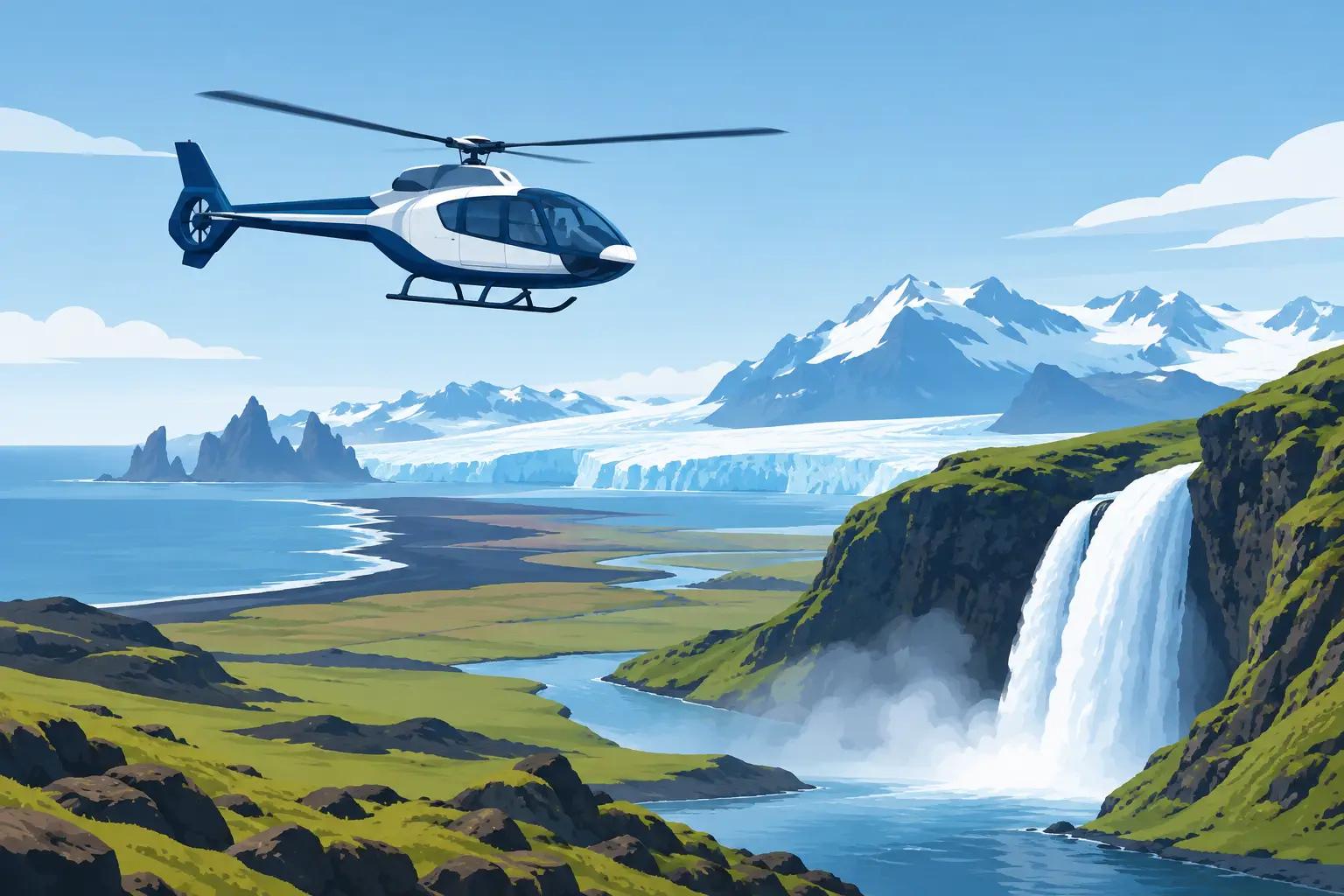
How Helicopter Operators Open Up Iceland

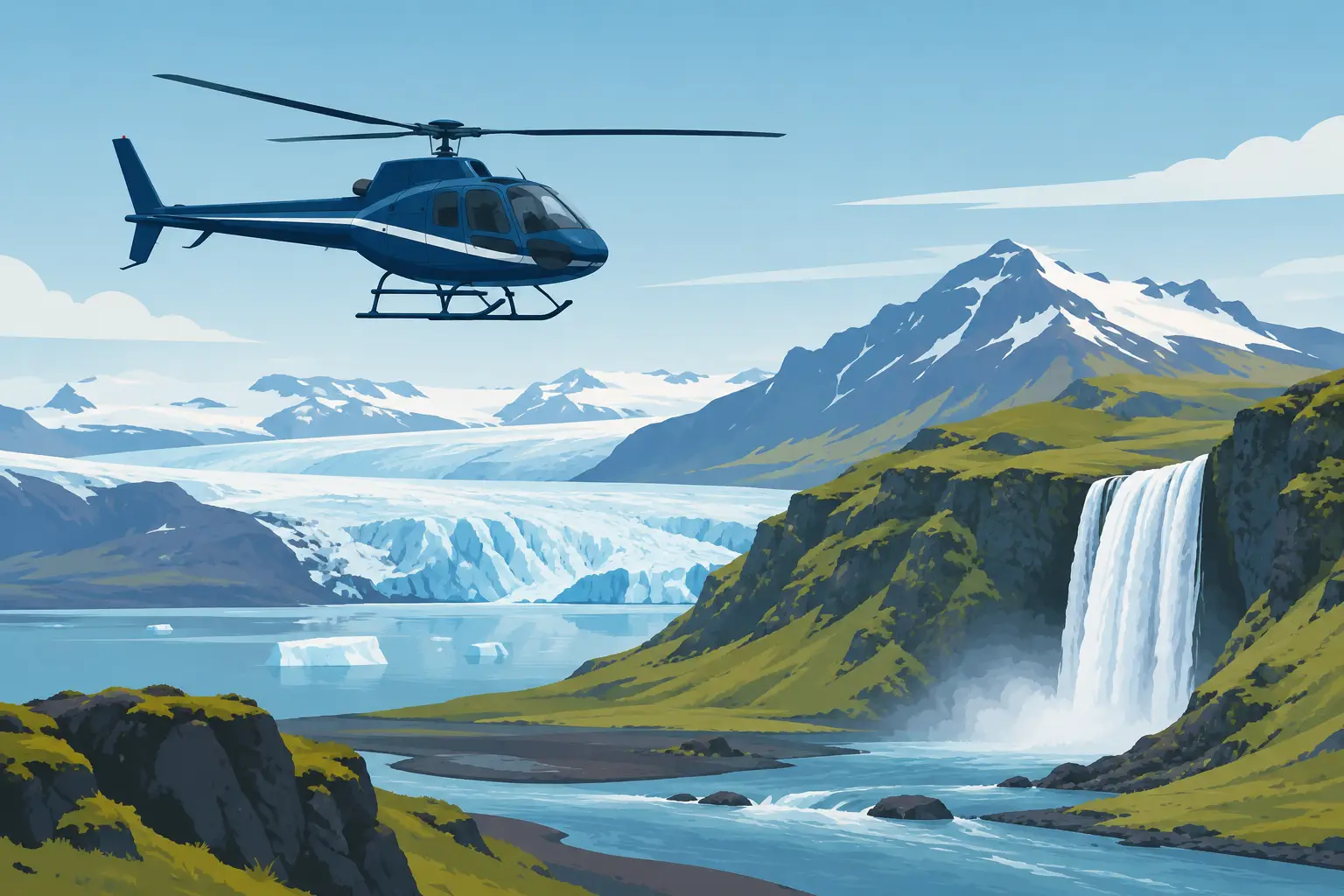
A waterfall beyond the end of the road, a fresh line of snow in a mountain basin, a volcanic landscape with no crowds in sight – these are the moments helicopter operators make possible in Iceland. A helicopter does more than provide a remarkable view. It changes what can fit into a day, where you can land, and how closely you can experience a landscape that often takes hours to reach by road.

For travelers, private groups, photographers, and production teams, the right flight is not simply about getting airborne. It is about working with a crew that understands Iceland’s changing conditions, its remote terrain, and the difference between a beautiful route on paper and an exceptional experience in the air.

What helicopter operators actually arrange

A professional operator combines aircraft, pilots, route knowledge, and ground planning into one tailored service. That can be a short sightseeing flight from Reykjavík, a private transfer from Keflavík International Airport, or a full-day journey with multiple landings across glaciers, black-sand coastlines, and highland valleys.

The planning begins with a practical question: what do you want the aircraft to accomplish? A couple with a limited stay in Reykjavík may want a dramatic 90-minute flight with a mountain landing. A family might prefer a longer private itinerary paced around their interests. A film crew may need precise timing, a route that supports aerial angles, and a pilot accustomed to coordinating with a production team. Commercial clients may need a fast point-to-point connection or carefully managed sling work.

These needs call for different aircraft configurations, flight plans, landing locations, and weather alternatives. Good helicopter service is therefore not a fixed product alone. It is a conversation that turns a wish list into a safe, realistic, and memorable plan.

Why Iceland rewards an aerial approach

Iceland is vast in the ways that matter to travelers. Distances can look manageable on a map, yet roads, weather, and daylight can reshape a day quickly. Reaching the highlands, a glacier tongue, or a remote waterfall may require a long drive on rough routes, a guided excursion, and favorable seasonal access. Some places remain inaccessible by vehicle altogether.

From the air, the scale becomes clear. Glacial rivers braid through dark sand plains. Volcanoes reveal their shape against the surrounding lava fields. Waterfalls appear in series along cliffs and river valleys. A helicopter can also land where appropriate, giving guests time to step into the landscape rather than merely pass above it.

That access has real value for travelers who want to spend their time well. Instead of devoting most of a day to transit, a private flight can connect several distinctive environments in a few hours. This does not replace a road trip for everyone. Iceland’s villages, coastal drives, and long summer evenings deserve time. But when a schedule is tight or a destination is genuinely remote, flying offers a perspective and flexibility that ground travel cannot match.

The landing is often the defining moment

Scenic flying creates the first impression. Landing creates the memory that stays with you. Standing beside a glacier, looking across a volcanic ridge, or hearing nothing but wind in a highland valley changes the experience from sightseeing to arrival.

Landing sites depend on conditions, permissions, snow cover, wind, and the aircraft’s operational requirements. Flexibility matters. A responsible pilot may recommend a different landing area than the one originally imagined because it offers better visibility, a safer approach, or a more rewarding view that day. That is not a compromise in service. It is local judgment at work.

Choosing helicopter operators for a private Iceland flight

For a premium experience, the cheapest advertised seat is rarely the most useful comparison. Look at what is included in the flight, how much flexibility is available, where the operator can depart from, and whether the team can build an itinerary around your actual priorities.

Start with the purpose of the flight. If the goal is a classic aerial introduction to Iceland, a structured scenic tour may be ideal. If you are planning a proposal, celebrating a milestone, traveling with children, or working around a yacht, lodge, or private guide schedule, a custom charter is usually the better fit. It gives you more control over timing, route length, landings, and the pace of the day.

Ask how weather decisions are handled. Icelandic weather is part of the experience, but it must be treated with respect. Visibility, wind, cloud ceiling, and conditions at both the departure point and destination all affect a flight. An experienced team will be direct about what is possible, what should be adjusted, and when rescheduling is the right call.

It is also worth discussing luggage, group size, mobility needs, and photography plans before confirming the route. Helicopters have specific weight and seating considerations. A photographer may want a particular time of day or direction of travel. Guests arriving directly from an international flight may need a transfer plan that accounts for baggage and timing. Clear details in advance allow the operator to recommend the right aircraft and itinerary.

A few questions worth asking

Before booking, ask whether the flight is shared or private, how much time is expected to be spent on the ground, and what happens if weather requires a change. Confirm the departure location and transfer time from your hotel or airport. If you have a must-see destination, ask whether it is a request rather than a guarantee, since conditions may require an alternate route.

For specialized work, the conversation should go further. Aerial filming may involve permits, camera requirements, location coordination, and a detailed shot plan. Heli-skiing support depends on snowpack, terrain assessment, guide coordination, and conservative decision-making. Sling operations require technical planning, load considerations, site access, and a crew that understands the task well before takeoff.

Matching the flight to your time in Iceland

A short flight works well on arrival or departure day, particularly when you want a powerful introduction without committing an entire day. A two- to three-hour private charter opens more possibilities for multiple landscapes and a remote landing. A full-day exclusive experience suits guests who want to create a day around Iceland’s interior, with the freedom to connect glaciers, waterfalls, volcanoes, and highlands in a route that reflects the season and weather.

Departure base matters too. Reykjavík is a natural starting point for visitors staying in the capital or arriving through Keflavík. Northern departures can place entirely different terrain within reach, especially for guests exploring the mountains and coast around Ólafsfjörður. The best starting point is not always the closest airport on a map. It is the one that gives the day the strongest route options.

HeliAir plans both structured tours and bespoke charters from Reykjavík and Ólafsfjörður, allowing guests to choose a proven scenic route or shape a flight around a specific destination, occasion, or logistical need.

Weather is part of the service, not an inconvenience

Visitors sometimes arrive with a fixed picture of sunny skies and wide-open views. Iceland can offer that, but it also offers low clouds, changing winds, and weather systems that move quickly across the country. The most capable operators do not promise to override those realities. They build contingency into the experience.

That may mean shifting a departure time, selecting a clearer region, shortening a route, or moving the flight to another day. These choices protect safety first, but they also protect the quality of your experience. Flying through marginal conditions simply to follow an original plan is not a premium outcome.

Leave space in your itinerary if a helicopter flight is a priority. Booking early in a trip can create more rescheduling options than placing it on your final morning. If your schedule is inflexible, tell the team from the beginning so they can advise on the route most likely to work within that window.

Make the request specific, then let local expertise shape it

The strongest custom flights usually start with a clear ambition: a glacier landing for an anniversary, a fast connection to a remote lodge, aerial footage of a particular valley, or a private day beyond the usual touring routes. Share the dates, group size, preferred departure point, desired flight length, and any non-negotiable moments.

Then allow room for the route to evolve. Iceland rewards travelers who arrive with a vision but trust the people flying them to find the best version of it. The right flight may take you to the volcano you had hoped to see. Or, with the weather moving in one direction and the light breaking in another, it may take you somewhere even better.
How to Arrange Aerial Filming in Iceland

A helicopter shot can turn a difficult-to-reach waterfall, black-sand coastline, or volcanic ridge into the defining image of a production. But Iceland does not reward loose planning. Weather moves quickly, landing options vary by location, and a route that looks simple on a map may require careful timing and local knowledge. Knowing how to arrange aerial filming begins with a clear creative brief and a flight plan built around real operating conditions.

Start With the Shot, Not the Aircraft

Before selecting a helicopter or setting a filming date, define what the camera needs to capture. A wide establishing pass over a glacier has different requirements than a low, directional tracking shot along a canyon. The more specific the brief, the more effectively the flight can be planned.

Share your preferred locations, intended use of the footage, production dates, crew size, camera system, and desired style. Reference images, a shot list, and an indication of whether sound will be recorded are especially useful. Helicopter cabins are loud, so dialogue and clean natural sound usually need to be captured separately.

It also helps to identify the shots that are essential and those that are optional. Iceland offers extraordinary visual variety within a relatively compact area, but conditions can make one location more suitable than another on a given day. A strong plan protects the priority shots while leaving room to adapt.

Choose the Right Aerial Filming Setup

The right aircraft depends on the scale of the production, the equipment weight, the number of people traveling, and the shooting method. A compact crew using handheld or stabilized cameras may have very different needs from a commercial production carrying cinema cameras, specialist operators, and additional support gear.

Discuss whether the filming will take place through an open window, from a configured camera position, or with a handheld setup inside the cabin. Each option involves trade-offs. Open-window work can provide a cleaner image, but it is more exposed to wind and cold. Cabin-based filming offers greater protection for crew and equipment, though reflections and limited angles may affect the result.

Weight and balance are operational considerations, not afterthoughts. Camera equipment, batteries, mounts, personal gear, and the number of passengers all affect aircraft loading. Provide accurate equipment details early, including any unusually large lenses, stabilizers, or rigging requirements.

For productions that need landing access as well as aerial coverage, plan this from the outset. A helicopter can open access to remote locations, but not every dramatic landscape is an appropriate or permitted landing site.

How to Arrange Aerial Filming Permits and Access

Aerial filming in Iceland may involve permissions beyond the helicopter booking itself. Requirements can depend on the location, the type of production, whether you intend to land, the size of the crew, and whether the work is commercial. Protected areas, private land, sensitive wildlife zones, and popular natural attractions may have their own rules.

Your aviation operator can help identify the practical questions early, but production teams should allow adequate time to confirm access with relevant landowners, site managers, and authorities. Do not assume that a location visible from the air is automatically available for a landing or repeated filming passes.

Commercial crews should also consider insurance documentation, aircraft safety procedures, and site-specific production requirements. If a ground unit is supporting the helicopter operation, establish where vehicles, crew, and equipment can safely stage. Remote Icelandic locations may have limited roads, no services, and uneven communications coverage.

A respectful approach matters. Iceland’s landscapes are both visually powerful and environmentally sensitive. Avoiding unnecessary disturbance, following local access conditions, and working with an experienced local operator protects the location and keeps the production moving.

Build a Route Around Light, Weather, and Distance

Iceland’s weather is a creative variable as much as an operational one. Low cloud can hide a summit, wind can change the character of a coastal shot, and passing rain can create dramatic texture across lava fields and glaciers. The goal is not always perfect blue sky. It is to match the conditions to the visual story you want to tell.

Build flexibility into the schedule wherever possible. A production with one fixed hour and no backup option may miss the best available conditions. A wider filming window allows the pilot and crew to choose the most suitable time, route, and direction of travel.

Light deserves equal attention. Early and late daylight can bring long shadows and more shape to the terrain, while overcast skies can reduce contrast and create a softer, more even look. In summer, long daylight hours create generous shooting opportunities. In winter, lower sun angles can be beautiful, but shorter days and more variable conditions require tighter planning.

Distance also affects what can be achieved in a flight. A route should account for transit time, filming passes, possible landing time, fuel planning, and a weather margin. Trying to include too many distant landmarks often produces less useful footage than focusing on two or three areas with distinct visual character.

Plan the Flight Path With the Pilot

The pilot is an essential part of the filming team. A clear pre-flight discussion should cover the desired direction of travel, shot duration, turns, altitude preferences, and any repeated passes. Describe the shot in practical terms: approach from the ocean side, reveal the waterfall after the ridge, track along the river, or hold a wide profile of the glacier.

The pilot will then assess what is safe and suitable based on wind, terrain, cloud, visibility, airspace, and other aircraft activity. In mountainous terrain, wind can behave differently from one valley to the next. A route that is visually ideal may need to be adjusted to maintain safe operating margins.

Keep communication simple during the flight. One designated person should call for shot adjustments, reducing confusion in the cabin. If the camera operator needs a second pass, say so promptly, but understand that repeat passes depend on conditions, aircraft position, and available flight time.

Prepare Your Crew and Equipment for Iceland

Aerial filming days move quickly. Charge every battery, format media, secure straps, and confirm camera settings before arriving at the helicopter base. Loose items are a safety issue and can also distract from the work once the aircraft is airborne.

Dress for the temperature outside, not the comfort of the vehicle that brought you there. Layers, gloves that still allow camera control, eye protection, and weather-resistant cases are practical choices. If filming includes landings on snow, lava, or exposed highlands, footwear should be suitable for uneven and potentially wet ground.

Bring only what is necessary into the aircraft. Extra equipment can complicate loading and restrict movement. A smaller, well-prepared kit often delivers better results than a cabin crowded with options that cannot be used safely in flight.

Book Enough Time for Useful Footage

Aerial filming is rarely just the minutes spent recording. Allow time for a safety briefing, loading, camera setup, route discussion, and weather assessment. If a shoot requires multiple locations, crew changes, or a landing sequence, a short scenic flight may not be the right format.

For bespoke productions, a private charter gives the greatest flexibility to prioritize the route, pace, and filming objectives. HeliAir can help shape a flight around Iceland’s glaciers, waterfalls, volcanoes, highlands, and coastal landscapes, while keeping the operation grounded in current conditions and practical aviation planning.

Be open about your budget and your must-have footage. The best plan may be a focused flight during the strongest light rather than a longer route that spends too much time in transit. For larger productions, consider reserving a weather contingency period instead of treating the first scheduled departure as the only opportunity.

A well-arranged aerial filming flight should feel prepared, not over-scripted. Bring a clear visual objective, trust the operational judgment of the pilot, and leave space for Iceland to offer the unexpected conditions that make footage memorable.

Iceland Tourism Trends Shaping Premium Travel

A day in Iceland can begin with clear views across a glacier and end with low cloud over the highlands. That reality is shaping Iceland tourism trends as much as any new attraction: travelers are placing a higher value on access, flexibility, and experiences that make every hour in the country count.

For luxury visitors and private groups, the appeal is no longer simply checking off the Golden Circle or driving the Ring Road. It is seeing a volcano field without spending half the day in a vehicle, landing near a remote waterfall, or building an itinerary around the conditions that make Iceland extraordinary on a given day. The best trips are becoming less standardized and more intentional.

Iceland Tourism Trends Are Moving Beyond the Standard Route

Iceland’s famous sights remain famous for a reason. Waterfalls, black-sand beaches, glacier lagoons, geothermal areas, and dramatic coastlines deserve their place on a first itinerary. But experienced travelers are increasingly looking beyond the most predictable stops, especially when their time is limited.

This does not mean avoiding the iconic places altogether. It means seeing them differently. A private aerial route can place a familiar landmark within a much larger landscape – rivers threading through lava, ice caps meeting volcanic terrain, and highland valleys that have no easy road access. From the air, Iceland feels less like a series of separate attractions and more like one powerful geological story.

There is a practical reason for this shift, too. Overland travel in Iceland is rewarding, but distances are substantial and conditions can change quickly. A route that looks simple on a map may involve several hours of driving, changing visibility, road closures, or a limited window at the destination. Travelers with one or two days in Reykjavík are increasingly choosing a focused, high-quality experience over an ambitious road itinerary that leaves little room for spontaneity.

Privacy and Time Are Becoming the Real Luxury

Premium travel in Iceland is not only about flying privately or staying somewhere exclusive. It is about control of the day. Couples, families, and small groups want to travel at their own pace, spend longer where the light is right, and avoid building a once-in-a-lifetime trip around fixed bus schedules.

Private helicopter travel answers that need particularly well. It can turn a long transfer into part of the experience, connect a Reykjavík itinerary with a remote landscape, or create a full-day journey built around specific interests. A photographer may prioritize early light, contrasting terrain, and time on location. A family may prefer shorter flight sectors and a comfortable pace. A group celebrating a milestone may want a glacier landing, a secluded picnic setting, or a route that combines waterfalls, volcanic ground, and sweeping coastal views.

Customization does not mean conditions can be ignored. Icelandic weather remains the final decision-maker. The strongest private itineraries are designed with alternatives from the start: a preferred route, a second landscape with different weather exposure, and enough flexibility in the schedule to make a good operational call. That approach protects the experience rather than treating a weather adjustment as a disappointment.

The Highlands Are Gaining Attention

Iceland’s interior has long held a special appeal for travelers who want distance, scale, and a sense of genuine remoteness. As visitors look for less crowded experiences, the highlands are drawing more interest – but they are not a place to approach casually.

Road access is seasonal, routes can be rough, and many areas require considerable time and capable vehicles. This is where aerial travel changes what is possible. Landscapes that would require a full day of driving, or may not be reachable by road at all, can become part of a carefully planned flight from Reykjavík or northern Iceland.

The value is not simply speed. It is perspective. The highlands reveal Iceland’s contrasts at their clearest: braided glacial rivers, dark volcanic deserts, mossy ridges, geothermal color, and wide expanses with almost no built environment. A helicopter can also make a landing where appropriate, giving guests time to step into the silence rather than only viewing it through a window.

For travelers considering the highlands, season matters. Summer brings the broadest access and long daylight, while shoulder seasons can offer beautiful light and fewer visitors but more variable conditions. Winter creates its own dramatic possibilities, although the range of suitable destinations and landing options depends heavily on weather, daylight, and operational assessment.

Volcanic Landscapes Remain a Powerful Draw

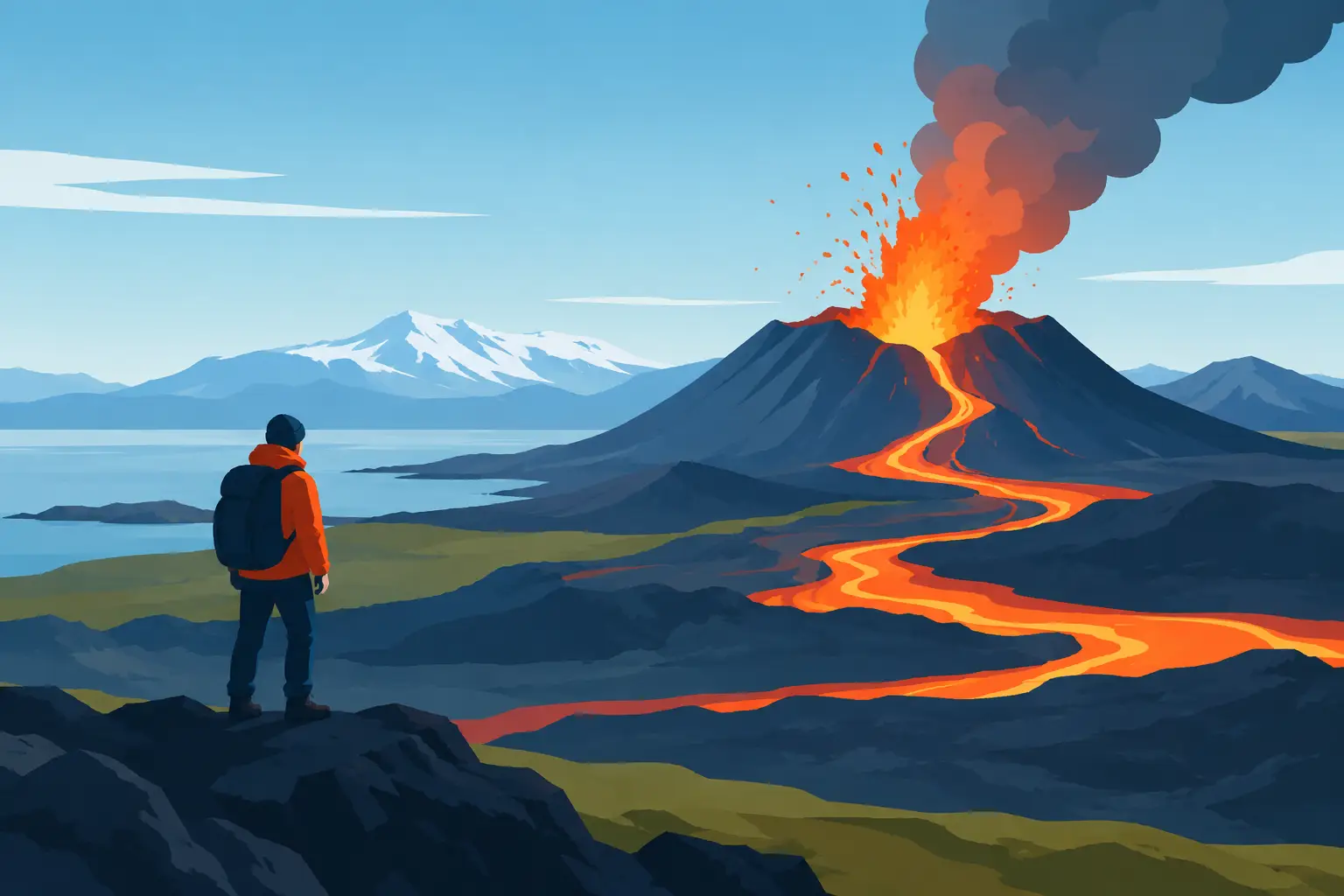
Active volcanic systems have made Iceland’s geology feel immediate for many international visitors. Interest in volcano tours has grown because these landscapes are not abstract history. Fresh lava fields, crater rows, fissures, and steam rising from the ground offer a rare view of a country still being formed.

Yet volcanic travel requires clear expectations. Activity levels, access restrictions, air quality, wind direction, and safety guidance can change. A responsible aviation operator will never promise a specific close approach to an active site when conditions or official restrictions do not allow it.

That does not reduce the experience. Iceland offers remarkable volcanic terrain well beyond an active eruption. A flight over older lava fields, volcanic ridges, glaciers shaped by past eruptions, and geothermal areas can be every bit as memorable. The difference is that the day should be built around the best landscape available, not a single image seen online.

Shorter Stays Call for Smarter Itineraries

Many US travelers pair Iceland with a longer European trip, a stopover, or a brief escape from the East Coast. They may have only three or four nights on the ground. That is creating demand for experiences that deliver depth without requiring a week behind the wheel.

A scenic flight of 90 minutes to several hours can offer a meaningful introduction to Iceland’s scale, particularly when paired with time in Reykjavík, a private transfer, or a custom day trip. Longer exclusive flights allow more room for landings and a more varied route. Neither is automatically better. The right choice depends on the season, the group’s interests, tolerance for weather changes, and how much of the trip should be spent in transit versus at the destination.

This is also why airport transfers are becoming more relevant for high-value itineraries. For some guests, a direct flight between Keflavík, Reykjavík, and another part of the country creates time for an experience that would otherwise be lost to logistics. For others, a road transfer is the better fit because they want to absorb the landscape gradually. Premium planning is not about choosing air travel for every mile. It is about using it where it creates the greatest value.

Photography Is Influencing How Guests Travel

Iceland has always attracted photographers, but visual storytelling now shapes travel decisions for nearly every visitor. Guests want the dramatic wide shot, certainly, but they also want an experience that feels personal rather than copied from a crowded viewpoint.

Aerial photography offers angles that ground-based travel cannot. It reveals the patterns of river systems, ice formations, coastlines, and lava fields. It also requires discipline. Weather, low light, reflections, aircraft positioning, and safety procedures all affect what can be captured. The best results come from communicating creative priorities before the flight, then allowing the pilot and operations team to choose the safest, most effective way to pursue them.

For professional productions, the requirements go further. Equipment needs, shooting windows, door-off considerations where available and appropriate, permissions, payload limits, and contingency planning should be discussed early. A scenic flight and an aerial production flight may share the same landscape, but they are planned differently.

What This Means for Planning an Iceland Trip

The most meaningful trend is not a destination or a season. It is a change in mindset. Travelers are moving from collecting sights to designing days around what they most want to feel: solitude, scale, adventure, comfort, or time together in a landscape unlike anywhere else.

HeliAir works with guests who want that kind of access, from structured scenic flights to fully custom helicopter journeys across Iceland. The conversation should begin with the places that matter most, the time available, and the flexibility built into the trip. From there, a route can be shaped around the conditions rather than forced against them.

Iceland rewards travelers who leave room for the unexpected. Plan for the landscape you hope to see, then let an experienced local team guide you toward the one that will be at its best when it is time to fly.

Top Remote Places by Helicopter in Iceland

A waterfall with no road beside it, a black-sand ridge above a glacier, a steaming highland valley that would take hours to reach by 4×4 – these are the moments that make the top remote places by helicopter in Iceland so compelling. A helicopter changes the scale of the country. Instead of spending most of a day driving between viewpoints, you can cross lava fields, rivers, and ice caps in minutes, then land where the landscape feels entirely your own.

For private travelers, the value is not simply speed. It is access, flexibility, and the ability to shape a day around the places that matter most to you. Iceland’s weather and landing conditions always guide the final plan, but with the right route and an experienced local crew, the country’s less-reached landscapes become possible in a way no standard road itinerary can match.

The top remote places by helicopter in Iceland

The best destination depends on the season, departure point, weather, and the kind of experience you want. Some guests want a dramatic glacier landing and a short, high-impact flight from Reykjavík. Others have a full day available and want to combine waterfalls, volcanoes, and the interior. These are the places that consistently reward the journey from above.

Landmannalaugar and the colorful highlands

Landmannalaugar is one of Iceland’s most recognizable highland landscapes, but its remoteness is part of its appeal. Rhyolite mountains layer the horizon in rust, gold, green, and charcoal, while geothermal activity sends steam into the cold air. From the ground, reaching this area can involve long drives, rough tracks, and river crossings during the accessible season.

By helicopter, the route itself is part of the experience. You see the roadless interior unfold beneath you: braided rivers, vast lava fields, and ridges that reveal how quickly Iceland’s terrain can change. A landing near the highlands allows time to take photographs, walk a short distance, and absorb the silence before continuing to another destination.

Landmannalaugar is particularly strong for travelers who want color and geology rather than a single landmark. Conditions can be changeable, so it is best approached as part of a flexible custom itinerary rather than a fixed promise of one exact landing spot.

Háifoss and the canyon country of the interior

Háifoss drops nearly 400 feet into a broad canyon cut by the Fossá River. It is among Iceland’s tallest waterfalls, yet it can feel far removed from the better-known stops along the South Coast. From the air, the setting becomes even more striking: the waterfall, neighboring Granni, and the river canyon appear as one dramatic composition against the highland plateau.

This is an excellent choice for couples, families, and photographers who want a powerful waterfall experience without the crowds and drive time associated with more accessible sites. The approach also creates an ideal contrast in a scenic flight, moving from green lowlands toward bare interior terrain before arriving at the falls.

A helicopter cannot always land at the same point, and pilots select suitable sites based on conditions and operational requirements. That variability is not a compromise. It is part of flying responsibly in a landscape where safety, land access, and weather set the rules.

Eyjafjallajökull and Iceland’s volcanic edge

Eyjafjallajökull is known around the world for the 2010 eruption that disrupted air travel across Europe. From above, it is much more than a famous name. Its ice-covered volcanic mass rises between the South Coast and the highlands, with black volcanic terrain, outlet glaciers, and views toward the Atlantic on clear days.

A flight in this region can show Iceland’s elemental contrasts within a short distance: ice over fire, green farmland meeting ash-dark slopes, and glacial rivers threading toward the coast. It works especially well for travelers based in Reykjavík who want a substantial scenic experience but have limited time for a full-day expedition.

Visibility is decisive here. A clear forecast can deliver exceptional views, while cloud may obscure the very peaks that make the route special. An experienced operator will assess the conditions honestly and recommend an alternative route when that produces a better flight.

Vatnajökull’s glacier landscapes

Vatnajökull is Europe’s largest glacier by volume, and its scale is difficult to understand from a roadside viewpoint. From a helicopter, the glacier becomes a living map of ice formations, crevasse fields, volcanic ridges, and outlets pushing toward lower ground. On favorable days, a glacier landing offers one of Iceland’s most memorable private travel experiences.

This is a destination for guests who want grandeur rather than convenience. Depending on the departure base and routing, it may require a longer flight and a larger time commitment. The reward is a sense of true distance from the populated coast, with very few signs of roads or towns in view.

Glacier landings require conservative decision-making. Wind, visibility, snow cover, and surface conditions all matter, and a planned landing may be moved or replaced if it is not appropriate on the day. Travelers who embrace that flexibility tend to get the best experience because the crew can follow the strongest available conditions.

Askja and the highland caldera

Askja sits deep within Iceland’s interior, surrounded by stark volcanic desert. Its caldera and the blue waters of Víti crater create a scene that feels almost extraterrestrial, especially when dark lava and lingering snow frame the basin. By road, Askja is a serious highland undertaking. By helicopter, it becomes an extraordinary destination for a full-day private journey.

Askja is not the right choice for every visitor. It is best for guests with time, a strong interest in geology, and a willingness to let weather determine the route. But when conditions align, few places convey Iceland’s raw volcanic character with the same intensity.

The Troll Peninsula for winter access and heli-skiing

Northern Iceland’s Troll Peninsula offers a different type of remoteness. Its steep mountains rise directly from narrow fjords, and winter snow can create exceptional terrain for heli-skiing with qualified guides and appropriate operational support. In summer, the same region is ideal for scenic flights over sharp ridgelines, secluded valleys, and the waters of Eyjafjörður.

A northern departure can be especially valuable for travelers who are already exploring the region. Rather than retracing a long route to Reykjavík, they can begin close to the mountains and build a private experience around the conditions of the day. This is where local knowledge is especially useful, as wind direction and cloud can vary significantly from one valley to the next.

How to choose remote places by helicopter

The most successful helicopter day is built around priorities, not a rigid checklist. If your goal is a proposal, anniversary, or family celebration, a private landing with a beautiful but accessible flight profile may be the best choice. If you are a photographer, you may prefer a longer charter with time to wait for light and reroute around cloud. If you are visiting Iceland on a short luxury itinerary, combining an airport transfer or point-to-point flight with a scenic landing can make better use of the day.

Share the details that affect the itinerary: where you are staying, how much time you have, the season, the size of your party, and the landscapes you most want to see. Volcanoes, waterfalls, glaciers, geothermal areas, and highland solitude each call for different routing. A custom flight should feel designed around your trip, not squeezed into a generic map.

HeliAir can arrange scenic and private helicopter experiences from Reykjavík and northern Iceland, with routing tailored to your destination, timing, and conditions. For complex plans, including aerial photography, heli-skiing support, or travel between locations, the same direct planning approach matters even more.

What to expect on the day

Dress for the landing, not just the departure point. The temperature can be lower on a glacier or exposed plateau, and wind can make even a short stop feel cold. Warm layers, sturdy footwear, gloves, and sunglasses are practical choices. Your crew will provide a safety briefing and advise on any destination-specific needs.

Weather is central to every Iceland helicopter flight. It may affect visibility, route selection, duration, and landing locations. That is why a premium experience is not defined by insisting on an unsafe plan. It is defined by having the judgment and flexibility to find the best available landscape for the conditions.

Leave room in your Iceland itinerary for that flexibility. The right weather window can turn a planned flight into the moment you remember most clearly: stepping onto a remote ridge, looking across ice and lava, and realizing there is no road to where you are standing.

Are Volcano Routes Active in Iceland Right Now?

A fresh lava field can look close enough to touch from a map, yet be completely inaccessible on the ground. That is why the question, “are volcano routes active,” has no permanent yes-or-no answer in Iceland. Access changes with seismic activity, gas conditions, road closures, trail safety, weather, and decisions by local authorities.

For travelers planning a premium volcano experience, the better question is: what type of access is possible on the day you want to fly? A current eruption may create extraordinary aerial viewing opportunities while making hiking routes unsuitable. At other times, ground paths may be open to cooled lava fields, but poor visibility can limit a helicopter flight. Iceland rewards flexibility, especially around its youngest landscapes.

Are volcano routes active during an Icelandic eruption?

“Active” can mean several different things. A volcano may be actively erupting, while public hiking trails are closed. A route may be physically open but not advisable because of wind-driven volcanic gas. Roads serving the area may remain open for local traffic but close later if conditions change. A trail that was suitable in the morning can become restricted before the afternoon.

This is particularly relevant on the Reykjanes Peninsula, where recent volcanic activity has drawn visitors to an area that is both remarkably accessible from Reykjavík and operationally changeable. Eruptions in this region can affect roads, utilities, populated areas, and aviation planning. Authorities may establish exclusion zones around a fissure, restrict parking, or redirect visitors away from areas exposed to gas, unstable ground, or emergency activity.

An open route is not the same as a safe route. Iceland’s volcano landscapes are not managed like a fixed attraction with a permanent entrance, marked loop, and predictable operating hours. Conditions are assessed continuously. Travelers should treat every plan involving an active volcanic area as conditional until departure.

What determines access to volcano areas?

The most visible factor is the eruption itself, but it is rarely the only one. Lava can advance across roads or trails, alter familiar landmarks, and create new hazards long after surface activity appears calmer. Newly formed lava fields retain heat beneath a hardened crust, and ground that looks solid can be fragile or dangerously hot.

Gas is another serious consideration. Sulfur dioxide and other volcanic gases can collect in low-lying terrain or travel with the wind. This is not only a concern at the crater or fissure. A route that seems distant from lava may still be unpleasant or unsafe if wind direction changes. Visitors with respiratory conditions should be especially cautious and should never assume a dramatic viewpoint is appropriate simply because it is popular online.

Weather adds another layer. Icelandic wind, low cloud, rain, ice, and limited daylight can affect both driving and flying. A clear forecast in Reykjavík does not guarantee clear conditions around a volcanic site. For helicopter operations, visibility, wind, and the wider airspace picture all matter. For guests, that operational judgment is part of the experience: the objective is not merely to get close, but to do so with a route and altitude that support a safe, memorable view.

Finally, emergency operations take priority. When civil protection teams, scientists, road crews, or utility workers need access, visitor movement may be limited. These restrictions protect both the people working on site and travelers who may not recognize the hazards of an evolving volcanic landscape.

Ground access and aerial access are different

A closed hiking trail does not automatically mean there is no way to experience the volcano. Equally, an active eruption does not guarantee that a helicopter can operate over or near it. These are separate decisions, made according to different risks.

Ground access depends on public safety measures, road conditions, parking capacity, trail conditions, gas exposure, and the status of the exclusion area. It can involve a long walk over uneven terrain, often in changeable weather. For visitors with limited time, young children, mobility considerations, or a preference for a more private experience, that may not be the right format even when trails are open.

Aerial access is assessed through aviation-specific planning. The crew considers weather, visibility, wind, volcanic plume behavior, airspace restrictions, and the ability to operate safely throughout the flight. A helicopter offers perspective that a ground route cannot: the scale of a lava field, the shape of a fissure, the relationship between black lava, moss-covered terrain, and the Atlantic coast. It can also reduce the time spent traveling overland from Reykjavík.

That said, helicopter viewing is not a workaround for official safety restrictions. Responsible operators respect restricted airspace, avoid unsafe plume conditions, and adjust the route when the environment requires it. The best flight may involve viewing from a greater distance rather than approaching the apparent center of activity. From above, that wider perspective is often more compelling anyway.

How to plan a volcano flight without relying on a fixed route

Build your itinerary around flexibility rather than one exact landing point. Iceland’s volcanic activity is part of a living landscape, and the most rewarding plans allow for a change in direction. If conditions near an eruption are unsuitable, a well-designed scenic flight may shift toward glaciers, geothermal terrain, waterfalls, black-sand coastlines, or the highlands, depending on the departure base, weather, and flight time available.

For a private group, this flexibility is especially valuable. A custom charter can be shaped around what matters most to you: aerial photography, a proposal, a family experience, a short addition to a Reykjavík stay, or a longer day of remote Icelandic scenery. Let the flight team know your priorities before departure, but leave room for their local operational judgment on the day.

Timing matters. If volcanic activity is central to your trip, avoid scheduling it as the final, nonrefundable moment of a tightly packed itinerary. A window of several days provides more opportunity to work with weather and changing access. Morning or afternoon may be preferable depending on forecast conditions, seasonal light, and the evolving situation at the site.

It also helps to separate the experience you want from the image you expect. Lava fountains and visible flow are not guaranteed, even during an active eruption. Activity can fluctuate, pause, or occur where ground viewing is limited. Conversely, a recently cooled lava field, steaming fissures, and the raw geometry of a new landscape can make for an exceptional flight without dramatic molten lava in view.

What to expect on the day of your flight

A premium volcano experience begins with practical preparation. Wear layered clothing suitable for Icelandic weather, even if you will spend most of the time in the aircraft. Bring a camera or phone with adequate storage, but keep expectations realistic about window reflections, changing light, and the need to remain seated and secure during flight.

Before departure, expect a route discussion based on the latest available conditions. The crew may confirm the intended volcanic area, suggest an alternative scenic route, or advise that a planned landing is not possible. That is not a reduced experience. It is the difference between a generic tour and a flight planned around real Icelandic terrain.

If the route includes a landing, conditions at the landing site matter as much as conditions at the volcano. Wind, surface conditions, nearby cloud, and safe rotor clearance all influence whether a landing can take place. In some cases, an extended aerial circuit provides the better result. In others, a remote landing far from the active zone creates the ideal contrast: silence on the ground, then a sweeping view of the volcanic region from the air.

Choosing the right kind of volcano experience

The right option depends on your appetite for uncertainty, your time in Iceland, and the type of access you value. A self-drive visit can work well when official routes are open, weather is stable, and you are comfortable walking in exposed terrain. It offers independence, but it also requires close attention to changing notices and the realities of driving in Iceland.

A helicopter experience is best suited to travelers who value time, perspective, privacy, and expert route decisions. It is also a strong choice for photographers and private groups who want to see more of Iceland’s dramatic terrain in one flight. HeliAir can shape a private itinerary around current conditions and the landscapes you most want to see, whether that includes a volcanic zone or a broader scenic route when access changes.

No operator can promise volcanic activity, a particular lava view, or a route that remains open until takeoff. The promise should be better than that: informed planning, clear communication, and a team prepared to make the most of Iceland’s conditions without compromising safety.

Volcano routes are active when authorities and conditions allow them to be, but Iceland’s real advantage is not a fixed path to one viewpoint. It is the chance to see a landscape still being made, with a flight plan ready to follow the best safe view of the day.

How to Choose Flight Duration in Iceland

A helicopter can turn a long drive into a view that arrives all at once: black-sand coast, braided glacial rivers, volcanic ridges, and waterfalls dropping into deep green valleys. But knowing how to choose flight duration is what turns that view into the right Iceland experience for your trip.

A shorter flight can be spectacular. A longer one can take you beyond the familiar into highlands, glaciers, and remote landing sites that simply do not fit into a quick outing. The best choice depends less on finding the biggest number of minutes and more on deciding what you want those minutes to make possible.

Start with the experience you want

Before comparing flight times, picture the moment you are booking for. Are you looking for a memorable aerial introduction to Reykjavík and the surrounding volcanic landscape? Do you want to land on a summit, beside a geothermal area, or near a glacier? Are you planning a dedicated photography day, a private proposal, or a way to reach a remote part of Iceland without giving up hours to the road?

A scenic helicopter flight is not only about the time spent in the air. It is also about the range of landscapes available, the number and quality of landing opportunities, and the pace of the day. A flight that feels generous for one traveler may feel rushed for a photographer waiting for the right light or a family hoping to spend time outside the helicopter.

For most visitors, these are useful starting points:

  • Around 30 to 60 minutes suits a first aerial experience, a tight itinerary, or a focused look at one nearby landscape.
  • Around 1.5 to 2 hours allows for a more varied route and often makes room for meaningful landings rather than a quick stop.
  • Around 2.5 to 3.5 hours is better for travelers who want to reach more remote terrain, combine signature sights, or build a private occasion around the flight.
  • A full-day private experience is the right fit when the destination itself is the priority, whether that means the highlands, multiple glacier and waterfall locations, or a custom route shaped around your interests.

These are not rigid categories. Weather, departure base, and the route you have in mind all matter. Still, they give you a practical way to match your available time with the kind of access you want.

How to choose flight duration by destination

Iceland is large, and its terrain changes quickly. A destination that looks close on a map may require a longer route because of mountains, weather patterns, or the safest approach. This is why flight duration should be chosen around geography, not just a wish list.

For volcanoes and nearby landscapes

If your goal is a dramatic aerial view of volcanic terrain near Reykjavík, a shorter flight may provide exactly what you need. You can gain perspective on lava fields, craters, and the sharp contrast between Iceland’s urban edge and its raw natural surroundings without dedicating most of a day to the experience.

Choose more time if you want to land in a striking location, see several formations from different angles, or combine the flight with other nearby natural features. The difference is not simply more scenery. It is the freedom to avoid treating the flight like a highlight reel on fast-forward.

For glaciers, waterfalls, and the highlands

Longer flights earn their value when the destination is farther from your departure point or when you want to combine distinct landscapes. Reaching a glacier, highland valley, or a remote waterfall region by helicopter reveals how much of Iceland is shaped by distance and difficult ground access.

A 2.5-hour or 3.5-hour route can create space for a proper journey: flying over river systems, crossing ridgelines, landing in an area that would otherwise take hours to reach, and taking in the scale of the landscape without watching the clock. For travelers who have come to Iceland for its wildest terrain, this added range is often the difference between seeing the country and feeling truly immersed in it.

For Ólafsfjörður and North Iceland

North Iceland offers a different character, with mountain-lined fjords, ski terrain, and remote coastal landscapes. The right duration here may be influenced by whether you are sightseeing, arranging heli-ski support, or traveling privately between destinations.

A shorter scenic flight can reveal the dramatic shape of the fjords. A longer private charter can open access to isolated ridges, backcountry areas, or a route built around a specific lodge, viewpoint, or filming location. The most efficient choice is usually the one that connects your flight to the rest of your itinerary rather than treating it as a separate activity.

Factor in landing time, not just airtime

One common mistake is to assume that a two-hour helicopter experience means two uninterrupted hours of flying. In premium aerial travel, landing is often part of the point.

A landing on a mountaintop, lava field, glacier, or remote viewpoint changes the rhythm of the experience. It gives you time to walk, photograph, take in the quiet, and see the landscape without the helicopter between you and it. If that is what you are hoping for, choose a duration that protects the landing time rather than squeezing it into the margins.

For a straightforward sightseeing flight, an aerial-only route may be ideal. For an anniversary, private family outing, creative project, or once-in-a-lifetime Iceland visit, more time on the ground can be worth more than adding another distant feature to the route. Tell your operator what matters most: extended landings, a particular landscape, photography, or simply the widest possible scenic range.

Consider the pace of your Iceland itinerary

Helicopter travel is an exceptional way to save time, but it should still feel enjoyable rather than compressed. If you have only one open afternoon in Reykjavík, a 30- to 60-minute flight may be the smart choice. You get a remarkable perspective and retain time for a restaurant reservation, a geothermal spa, or a relaxed evening in the city.

If the helicopter flight is the centerpiece of your day, a longer experience has room to breathe. You are less likely to feel that you have traded one hurried schedule for another. This is especially relevant for visitors trying to avoid lengthy drives while still reaching landscapes beyond the usual day-trip radius.

Private point-to-point flights work differently. In that case, flight duration is part of a wider logistical decision: where you need to be, what ground transfer time you can avoid, and whether a scenic route or en-route landing would add value. A helicopter transfer can be practical and extraordinary at the same time.

Be realistic about weather flexibility

Icelandic weather is part of the adventure, but it is also a planning factor. Wind, visibility, cloud cover, and changing conditions can affect route choices, departure times, and landing locations. A responsible operator will always prioritize safe operating conditions over a fixed itinerary.

Longer flights can offer more route flexibility when conditions are favorable, but they do not eliminate weather constraints. In some cases, a shorter route may be the better option because it stays within a clear weather window. In others, an exclusive charter gives you more ability to adjust timing or reshape the itinerary around conditions on the day.

Build flexibility into your schedule if the flight is a major priority. Booking it early in your Iceland stay can leave room to reschedule if needed. Ask about the practical cancellation and weather terms before confirming, particularly for private events, filming, or travel plans that depend on reaching a specific location.

Match the duration to your group

The ideal flight for a couple celebrating a milestone may not be the ideal flight for a family with young children, a group of friends, or a professional production crew. Comfort, attention span, mobility, and purpose all affect the right duration.

For families, a shorter flight with a memorable landing can be more rewarding than a longer itinerary with too much transit time. For photographers, extra duration is valuable because it allows for route adjustments, multiple angles, and time on the ground. For private groups, the longer option often becomes more compelling when the flight can be designed around shared priorities rather than a standard route.

If anyone in your group has concerns about motion sensitivity, ask in advance what to expect. Helicopters are often smoother than people imagine, but weather and terrain can influence the ride. Choosing a route and duration that feels comfortable for everyone makes the experience better for the whole group.

When a custom charter is the better answer

Scheduled scenic tours make sense when your goal is clear and the route already matches it. A custom charter is worth considering when your request includes several destinations, a specific landing site, a special occasion, or a practical travel need alongside sightseeing.

This is where duration becomes a planning conversation rather than a menu choice. A flight might begin as an airport transfer and include a glacier landing. It might be built around aerial filming, a mountain lunch, a remote proposal site, or access for a specialized operation. The right duration is the amount of time required to do the experience properly, with safe margins and no need to rush what brought you to Iceland in the first place.

HeliAir can help shape that decision around your departure location, dates, group, and the landscapes you most want to see. Share the feeling you are after, not just a list of stops. A well-planned route will make the time in the air feel exactly as long as it should.

Iceland Charter Review: What Private Flights Offer

The difference between seeing Iceland and reaching Iceland can be measured in a few minutes of flight time. A waterfall that takes hours to approach by road may be beyond a nearby ridge. A black-sand coastline, geothermal valley, or glacier plateau can become part of the same afternoon. This Iceland charter review looks at what a private helicopter flight actually offers, where it makes the most sense, and what discerning travelers should consider before they fly.

An Iceland Charter Review Starts With Access

A helicopter charter is not simply a faster version of a sightseeing tour. It is a different way to design time in Iceland. Rather than following the limits of a road itinerary, guests can build a flight around the landscapes that matter most to them: a remote highland landing, a volcano viewed from above, an isolated waterfall, or a glacier setting selected for photography, celebration, or quiet perspective.

That access is especially valuable for visitors with limited days in the country. Iceland’s distances can be deceptive. A route that appears close on a map may involve mountain roads, changing conditions, and long driving hours. A private flight can connect several otherwise distant landscapes while keeping the experience calm, direct, and personal.

It also changes the quality of the visit. From the air, glacial rivers reveal their shifting channels, lava fields show their scale, and the contrast between green valleys and dark volcanic terrain becomes unmistakable. Landing is where the experience becomes even more memorable. Stepping out onto a highland ridge or beside a remote natural feature gives a sense of place that roadside viewpoints rarely provide.

What You Can Expect From a Private Charter

The strongest reason to charter is flexibility. A private itinerary can be arranged around your departure location, available time, group size, interests, and the conditions on the day. For some guests, that means an efficient transfer from Keflavík International Airport or Reykjavík Domestic Airport. For others, it means a scenic flight with landings at landscapes chosen for a proposal, family celebration, aerial photography session, or a once-in-a-lifetime view of Iceland.

A well-planned charter begins with a conversation, not a fixed route. Your operator should ask what you want to see, how much time you have, who is traveling, and whether the flight is primarily scenic, logistical, or production-related. The answer may be a focused one-hour experience, a multi-hour journey over glaciers and volcanoes, or a full-day itinerary with several carefully selected stops.

This is where a charter differs from a seat on a scheduled tour. Scheduled sightseeing flights can be an excellent choice when the route and timing suit your plans. They are straightforward and often ideal for couples or small parties looking for a defined experience. A private charter is the better fit when privacy, timing, route control, destination choice, or a tailored pace matters more than following a standard format.

For groups, the value can be particularly compelling. A private aircraft creates a shared experience without other guests, whether the occasion is a family trip, a small corporate retreat, or travel with a photographer or guide. The right aircraft and routing depend on operational factors, so it is best to discuss passenger numbers and equipment needs early rather than assume every helicopter has the same capacity.

The Landscapes That Make a Charter Worth It

Iceland rewards travelers who look beyond the most familiar stops. The country’s headline locations are remarkable, but a charter can reveal the terrain between them: braided rivers crossing volcanic sands, ridgelines carved by weather, hidden valleys, and the immense ice fields that shape the island.

Volcanic terrain is a natural priority for many guests. Conditions and access vary, especially around active systems, but aerial views offer a clear understanding of lava fields, craters, and the enormous forces that formed the landscape. Glacier flights offer another perspective entirely. The surface of the ice can appear sculpted and almost architectural, while the surrounding mountains give the scale that is difficult to grasp from ground level.

Waterfalls also make exceptional charter destinations. Iceland has famous falls that can be reached by road, yet some of its most dramatic cascades sit in locations where a helicopter offers a far more direct approach. A landing near a remote waterfall can turn a scenic flight into an unhurried private moment, with time for photographs and simply taking in the sound and distance from the usual crowds.

The most successful itinerary does not try to see everything. It chooses a few landscapes that create contrast. A glacier and a black-sand coast, for example, can feel more rewarding than a rushed checklist of six landmarks. An experienced local operator can recommend combinations that work realistically within the available daylight, season, and weather window.

Weather Is Part of the Experience

Icelandic weather deserves respect, not anxiety. It is part of what gives the country its drama, and it can change quickly across different regions. Cloud cover, wind, visibility, and conditions at proposed landing sites all influence whether a route can operate safely and comfortably.

A premium charter experience should account for that reality from the beginning. Flexibility in your schedule is useful, particularly if the flight is a major highlight of the trip. If possible, reserve more than one potential flight window rather than placing the experience on the final hour of your final day. Morning and afternoon conditions can differ substantially, and an alternate route may offer a better experience than attempting to force a preferred destination in marginal weather.

This is also why a responsible operator may adjust, shorten, postpone, or cancel a flight. That is not a compromised service standard. It is professional aviation judgment. Ask before booking how weather decisions are communicated, what alternatives may be available, and how cancellation or rescheduling is handled. Clear expectations make the day easier for everyone.

How to Judge an Iceland Charter

When comparing charter providers, start with operational credibility rather than the most dramatic photo. You want an Iceland-based team that understands local terrain, landing options, seasonal daylight, and the conditions that affect each route. The quality of the planning conversation often tells you a great deal. A knowledgeable operator will be enthusiastic about your ideas while being honest about what is practical.

Ask whether the flight can be shaped around your priorities, how much landing time is included, and whether the proposed route has alternatives if weather changes. If you are traveling with camera equipment, ski gear, production equipment, or large luggage, confirm that in advance. For airport transfers, clarify the pickup point, destination, timing, and how your arrival schedule will be monitored.

Price matters, but it should be considered in context. A charter rate reflects the aircraft, crew, flight time, operational planning, fuel, landing feasibility, and the level of privacy involved. The lowest quoted flight is not always the best value if it offers little flexibility or leaves essential details unclear. A detailed quote should make it easier to understand the scope of the experience and any potential variables.

HeliAir can arrange scenic and custom helicopter flights from Reykjavík and Ólafsfjörður, along with point-to-point transfers and specialist operations. That combination matters for guests whose plans extend beyond a standard tour, from a carefully timed airport connection to a remote highland itinerary built around a specific vision.

Who Benefits Most From a Charter Flight?

Private helicopter travel suits guests who place a high value on time, privacy, and access. It is particularly well suited to couples planning a milestone moment, families who want an experience that works around their own pace, and luxury travelers who would rather spend their day in extraordinary locations than behind a windshield.

It also has a practical role. Production teams may need aerial filming support and precise location access. Corporate travelers may need to move efficiently between destinations. Ski groups may require specialized logistics. In these cases, the helicopter is not only an experience. It is a purpose-built aviation solution.

Still, a charter is not automatically the right choice for every trip. Travelers who enjoy the slow rhythm of a road trip, want to stop frequently in small towns, or are working with a limited experience budget may get more from a self-drive itinerary paired with one scheduled scenic flight. The best choice depends on what you want your time in Iceland to feel like.

When you picture your ideal day, begin with the place you would most regret missing. Then build the flight around that moment, leave room for Iceland’s weather to guide the final plan, and let the landscape do the rest.

Are Iceland Highlands Accessible Year Round?

The short answer to are Iceland highlands accessible year round is no – not by ordinary road travel. For much of the year, snow, river crossings, wind, and road closures make Iceland’s interior a place to admire from afar. In summer, it becomes one of Europe’s most extraordinary landscapes: black-sand plains, geothermal valleys, glacier-fed rivers, and vast horizons with almost no sign of civilization.

For travelers who want the Highlands without surrendering days to uncertain driving conditions, timing and transport make all the difference. A private helicopter flight can offer a remarkably direct way to experience remote terrain, while still respecting Iceland’s weather, aviation rules, and changing ground conditions.

Are Iceland Highlands Accessible Year Round by Road?

No. Iceland’s central Highlands are not a year-round driving destination. Most highland routes are F-roads, mountain tracks that typically require a capable 4×4 vehicle, experience on loose surfaces, and confidence around unbridged rivers. They are generally closed through winter and do not operate on a fixed opening date.

The main highland season usually begins between late June and early July, depending on snowmelt and road inspections. Some routes may open earlier in favorable years, while higher or more remote tracks can remain closed until later in the summer. Closures often return in September, though exact timing varies with weather and road conditions.

Even during the open season, access is never guaranteed. A clear morning in Reykjavík does not mean a passable route near Landmannalaugar, Askja, or the interior edge of Vatnajökull. Rain can raise rivers quickly. Early snow can change a route overnight. Wind and low visibility can turn a long, demanding drive into a poor decision.

That unpredictability is part of the Highlands’ appeal, but it is also why they reward careful planning rather than a rigid itinerary.

Why Winter Changes Everything

In winter, Iceland’s roads are concentrated around the coast and populated regions. The central interior is largely snowbound, with limited services and no ordinary tourist road access. F-roads are closed to protect both travelers and fragile landscapes during thawing and severe conditions.

Winter travel in Iceland can still be spectacular. Glaciers, frozen waterfalls, northern lights, and snow-covered volcanic landscapes create a very different kind of adventure. But travelers should not expect to drive independently into the Highlands in a rental vehicle simply because a destination appears close on a map.

Distance in Iceland is deceptive. A mountain range, a river system, or a weather front can make a seemingly nearby location effectively unreachable by road. This is especially true for guests with limited time who are hoping to combine Reykjavík, the South Coast, and the Highlands in a short stay.

The Summer Window Is Short but Exceptional

When the F-roads open, the Highlands become a destination unlike anywhere else in Iceland. Landmannalaugar draws visitors to colorful rhyolite mountains and geothermal bathing. Kerlingarfjöll offers steaming slopes and high-altitude hiking. Askja presents a stark volcanic caldera landscape, while routes toward Sprengisandur and the interior reveal the scale of Iceland’s empty heartland.

Driving there is rewarding for travelers who enjoy self-sufficient adventure. It is also slow. River crossings require sound judgment, routes can be rough for hours, and a full day may be needed to reach one remote region and return. A 4×4 is essential on designated F-roads, but having one does not make every crossing safe or every route appropriate.

For some visitors, that is exactly the point. For others, particularly couples, families, photographers, and private groups on a premium itinerary, the time commitment can feel out of proportion to the experience they want. They may prefer to spend their day above the terrain rather than behind a wheel, watching road conditions and navigating river crossings.

Helicopter Access to Iceland’s Remote Interior

A helicopter does not make Iceland weather-proof, and responsible operators will never present it that way. Aviation decisions depend on visibility, wind, precipitation, cloud base, and conditions at both departure and landing areas. Routes and landing sites must also comply with local regulations, safety procedures, and environmental considerations.

What helicopter travel can do is remove the need to wait for highland roads to open. It can transform an all-day overland journey into a focused scenic flight, bringing glacier tongues, volcanic ridges, waterfalls, and remote valleys into a single private experience. From above, Iceland’s interior is not a route to endure. It is the destination.

This matters beyond convenience. Aerial access gives photographers more time with dramatic light, private groups more flexibility in how they use the day, and travelers with limited mobility a way to see landscapes that would otherwise demand strenuous hiking or long off-road travel. It also allows a route to be shaped around what is most compelling on the day, rather than around the limitations of one road.

HeliAir can arrange bespoke helicopter experiences designed around the season, the weather window, and the landscapes a group most wants to see. A summer itinerary may prioritize a highland landing, geothermal color, and glacial rivers. In colder months, the best flight may focus on volcanoes, ice formations, coastal mountains, or accessible glacier scenery instead of a deep interior landing.

What “Accessible” Really Means in Iceland

The word accessible can be misleading in a country defined by fast-moving conditions. A place may be accessible by road but unpleasant or unsafe to visit that day. It may be inaccessible to rental cars yet possible to reach by air. Or it may be unsuitable for any visit because conditions do not support safe operations.

The best Iceland travel plans leave room for that reality. Rather than fixating on one exact point in the Highlands, build an experience around the kind of scenery you want: geothermal ground, untouched black desert, glaciers, waterfalls, volcanic craters, or a private mountaintop view. An experienced local flight team can then evaluate the conditions and create the strongest possible route within the available weather window.

That approach is particularly valuable for custom trips. A private charter can connect a remote sightseeing experience with an airport transfer, a lodge itinerary, a filming schedule, or another destination elsewhere in Iceland. The result is not just faster transportation. It is a more considered way to use limited time in a landscape where conditions set the terms.

When Should You Plan a Highlands Experience?

Choose July and August if your priority is the broadest possible choice of road-based highland destinations. These months usually offer the most reliable F-road access, long daylight, and the best chance to combine driving, hiking, and scenic stops. They are also popular, so private arrangements can be especially valuable for travelers seeking a quieter, more personal experience.

June and September can be excellent for visitors who accept more uncertainty. The landscapes are often less crowded, the light can be beautiful, and conditions may support outstanding flights or selected road routes. Flexibility is essential, especially if a particular highland landing is central to your plans.

From October through May, treat the central Highlands as an aerial possibility rather than a self-drive destination. A helicopter charter may provide access to remarkable winter scenery when conditions allow, but no responsible operator can promise a specific remote landing weeks in advance. The smarter promise is a private, carefully planned experience built around the best conditions available.

Plan for the Landscape, Not Just the Map

Iceland’s Highlands are not open year round in the conventional sense. Their roads follow the rhythm of snow, thaw, and weather, and that is precisely what keeps the interior so wild. The privilege of visiting comes with a responsibility to adapt.

If the Highlands are part of your dream trip, plan the season honestly, allow room for weather decisions, and choose a form of travel that matches your priorities. The most memorable route may not be the one you first traced on a map. It may be the flight that lifts above the road, follows a glacial river into the interior, and lands where Iceland feels entirely your own.

Iceland Helicopter Travel Trends for 2026

A glacier landing before lunch, a volcanic landscape viewed without a full day on the road, and a private route shaped around the light rather than a bus schedule: Iceland helicopter travel trends are moving toward time-rich experiences with far less time spent getting there. For premium travelers, the aircraft is no longer just a spectacular way to see the country. It is becoming a practical way to reach the parts of Iceland that make a visit feel truly personal.

The appeal is easy to understand. Iceland’s major sights can be spread across long distances, weather can alter a day’s plans quickly, and some of the most remarkable landscapes sit well beyond the standard touring route. Helicopter travel offers a different rhythm: depart from Reykjavík or northern Iceland, fly above the terrain that would otherwise take hours to cross, and land where the landscape itself becomes the destination.

Iceland Helicopter Travel Trends: More Time at the Destination

For years, many visitors treated an aerial tour as a short add-on to a ground itinerary. That is changing. Travelers are increasingly building a day around a flight, particularly when they have limited time in Iceland or want to avoid sacrificing a full day to driving.

This does not always mean choosing the longest flight available. A well-planned 90-minute to three-hour experience can create more meaningful access than a much longer road journey. From the air, river systems, black-sand plains, lava fields, ice caps, and highland valleys reveal the scale that is impossible to grasp from a roadside pullout. With a suitable landing location and conditions, guests can step out into an environment that feels entirely removed from the busy attractions closer to the capital.

The trend is less about collecting more stops and more about choosing the right ones. A couple may prioritize a glacier and a quiet mountain landing. A family may want a volcano-focused route with enough time to enjoy the experience without an overly ambitious schedule. A photographer may plan around low-angle light, cloud texture, and a specific stretch of coastline. The best itinerary depends on what the day is meant to deliver.

Private Charter Is Becoming the Preferred Luxury Format

Scheduled sightseeing flights remain an excellent choice for travelers looking for a defined scenic experience. At the same time, private charter is increasingly central to premium Iceland travel because it allows the flight to fit the trip rather than the other way around.

A private group can choose a departure time that works with a hotel stay, private guide, dinner reservation, or onward flight. The route can be designed around a clear priority, whether that is waterfalls in the south, the volcanic terrain of the Reykjanes Peninsula, glacier landscapes near Eyjafjallajökull, or remote northern scenery. It also creates room for practical decisions on the day, subject to weather, operating conditions, and safe landing options.

This is particularly valuable for multigenerational groups and travelers celebrating a milestone. A helicopter is not simply transportation in these cases. It creates a shared moment, while avoiding the long drives and repeated packing that can make a high-end itinerary feel more tiring than it needs to be.

Customization has limits, and a credible operator should be clear about them. Icelandic weather, wind, visibility, and changing conditions determine what is sensible and safe. The most successful private trips are planned with a wish list rather than a rigid demand list. If one route is unsuitable, an experienced local team can often recommend another area with equally memorable terrain.

Remote landings matter more than flight time

Travelers are placing greater value on where they can land, not only how long they remain airborne. A landing turns a scenic flight into a physical encounter with Iceland: the crunch of volcanic gravel, the cold air moving off an ice cap, the sound of a waterfall in a valley that has no roadside parking lot.

That shift favors thoughtful route design. A short flight with an exceptional landing can feel more exclusive than a longer route that remains entirely in the air. It also means expectations should be set properly. Remote is not the same as unrestricted. Landing locations must be selected responsibly, with respect for safety, weather, permissions, terrain, and the fragile environments that make Iceland worth protecting.

The Rise of the Efficient Iceland Itinerary

Another defining trend is the use of helicopters to connect key moments in an itinerary. Visitors arriving for a short luxury stay often want Reykjavík’s restaurants and design scene, a remote natural experience, and time to relax at their hotel or spa. Ground travel can force compromises. A private flight can make the day feel spacious.

Airport transfers are part of this shift. For travelers who value privacy and efficiency, a helicopter transfer between Keflavík International Airport, Reykjavík Domestic Airport, and selected destinations can reduce friction at the beginning or end of a trip. It is especially appealing when a group has a tight schedule, an event to attend, or a charter flight planned beyond Reykjavík.

Point-to-point aviation is also useful outside leisure travel. Production teams may need aerial access for filming. Corporate visitors may need to reach a site quickly. Specialist groups heading toward ski terrain or remote operations require an operator that understands both passenger experience and technical aviation logistics. The trend is not that every Iceland itinerary needs a helicopter. It is that more travelers and professionals are recognizing where it makes practical sense.

Photography Is Shaping How Guests Fly

Iceland has always attracted photographers, but the expectations have become more sophisticated. Guests are no longer satisfied with a quick image through a window. They want routes designed for texture, contrast, scale, and a sense of place.

From above, Iceland offers graphic patterns that ground travel rarely reveals: braided glacial rivers, moss-covered lava, geometric fields of black sand, and coastlines cut by surf. Seasonal conditions alter the palette dramatically. Summer brings long daylight hours and vibrant greens, while winter can add snow, low light, and striking contrast. Neither season is automatically better. The choice depends on the desired visual result and tolerance for changing conditions.

For aerial photography, flexibility is more useful than overplanning. Cloud layers can create extraordinary depth, but they can also obscure a planned route. Pilots and local flight teams assess what is workable in real time. Guests who arrive with a few visual priorities, rather than one non-negotiable shot, tend to have the strongest experience.

Weather-Smart Travel Is a Luxury Expectation

Experienced luxury travelers increasingly understand that Iceland’s weather is part of the experience, not a flaw in the itinerary. The premium difference lies in how the trip is handled when conditions shift.

A responsible operator will not promise a specific landing or view regardless of the forecast. Instead, the planning process should include alternative routes, flexible timing where possible, and honest communication. Sometimes a valley that is unsuitable in one wind direction is perfect in another. Sometimes waiting for a weather window is the best decision. Sometimes a route needs to change completely.

This approach protects more than the schedule. It preserves the quality of the trip. Flying only when conditions support a safe, enjoyable experience is fundamental. For visitors, the practical takeaway is simple: leave room in the itinerary, especially for a private charter that matters to you. Booking a helicopter flight on the only possible hour of the only possible day can limit the options unnecessarily.

What travelers should ask before booking

Premium helicopter travel works best when the conversation begins with the purpose of the flight. Ask whether the experience is private or shared, where departures are available, how long the flight and landing time are likely to be, and what alternatives may be available if weather changes the original plan.

It is also worth discussing the makeup of the group. Young children, guests with limited mobility, large camera equipment, winter clothing, and special occasions can all influence the right aircraft, route, and timing. A good operator will make the planning feel straightforward while being transparent about operational realities.

HeliAir can arrange structured sightseeing flights as well as bespoke journeys from Reykjavík and Ólafsfjörður, making it possible to match a flight to the places, pace, and priorities of a particular trip.

The Next Best Route May Not Be the Famous One

The most visible Iceland helicopter travel trend is a move away from the idea that luxury means following the same famous route in greater comfort. For many visitors, real exclusivity now means choosing the landscape that fits their story: a highland plateau, a hidden waterfall, a glacier edge, a volcanic ridge, or simply an hour away from the road.

Bring a clear sense of what you want to feel when you land, then allow Iceland’s conditions to guide the exact route. That balance of ambition and flexibility is where an exceptional helicopter day begins.

How Helicopter Charter Routing Works in Iceland

A helicopter route across Iceland may look simple on a map: depart Reykjavík, cross the lava fields, land beside a glacier or waterfall, then return. In practice, how helicopter charter routing works is a carefully planned balance of your priorities, Iceland’s fast-moving weather, terrain, aircraft capability, and the conditions at every intended landing site.

That planning is what makes a private helicopter journey feel effortless. It gives you more than a fast way to travel. It creates access to places that can take hours to reach by road, or cannot be reached by road at all.

How helicopter charter routing works from first request to takeoff

Charter routing starts with a conversation, not a fixed timetable. A guest may want to travel from Keflavík International Airport to a remote lodge, photograph volcanoes and black-sand coastlines, propose beside a highland waterfall, or combine a glacier landing with a private picnic. A production crew may need stable aerial filming passes. A ski group may need access to a particular mountain zone.

The first task is to understand the purpose of the flight. Is the priority speed, scenery, time on the ground, photography, or reaching a precise destination? The answer changes the route. A direct airport transfer is designed around efficiency and reliable arrival. A sightseeing charter may deliberately follow a longer visual line over geothermal valleys, river canyons, glaciers, and dramatic coastlines.

From there, the flight team assesses practical details: passenger numbers, luggage or equipment weight, preferred departure base, desired landing locations, and total available time. For private groups, a route can often be shaped around a single highlight or built as a full-day experience with several landings.

A route is more than the straight line

Helicopters are exceptionally flexible, but they do not simply fly directly from point A to point B regardless of conditions. Iceland’s mountains, ice caps, coastlines, and highland plateaus create localized wind, cloud, and visibility patterns. The best route is the one that delivers the experience safely and comfortably on the day.

A planned flight from Reykjavík toward Eyjafjallajökull, for example, may be adjusted to take advantage of clearer conditions along the south coast or to avoid cloud building over higher terrain. The destination may remain the same, while the exact path, order of stops, or duration at a landing site changes.

This is not a compromise in the negative sense. It is how experienced local operators protect the quality of the flight. A route that looks ideal in a brochure may not be the most rewarding route under that day’s wind and cloud. Flexibility allows the pilot to select the clearest views, the safest approaches, and the most enjoyable landing conditions.

Weather sets the operating window

Icelandic weather is one of the central factors in charter routing. Wind direction and speed, cloud base, precipitation, visibility, icing risk, and changing forecasts all influence where a helicopter can fly and land. Conditions can vary substantially between Reykjavík, the interior highlands, a glacier edge, and the coast.

Pilots review weather before departure and continue to monitor it throughout the flight. If conditions are unsuitable for a particular route, there may be an alternative destination, a revised departure time, or a decision to postpone. For travelers with a flexible schedule, this is a real advantage. Holding a little room in an Iceland itinerary can make it easier to fly on the best available weather day.

Weather also affects the character of the experience. Clear skies can reveal wide views of ice caps and distant volcanoes. Broken cloud can create extraordinary light over the landscape, but may limit access to high-elevation areas. A premium charter is planned around realistic conditions rather than promises that ignore them.

Landing sites require local knowledge

The ability to land away from an airport is part of what makes helicopter travel in Iceland so distinctive. It also requires disciplined planning. A suitable landing area must be assessed for terrain, slope, surface conditions, wind exposure, obstacles, and safe approach and departure paths.

Some destinations have established landing locations. Others require specific coordination, permissions, or landowner approval. Sensitive natural areas may have restrictions, and conditions on glaciers, volcanic ground, snowfields, and unpaved highland terrain can change with the season.

For guests, this means a custom landing is not simply a pin dropped on a map. A request to land near a waterfall, geothermal area, or private property is reviewed against what is safe, permitted, and appropriate. Often, a nearby site provides the same spectacular setting with a better landing surface and less impact on the landscape.

Why ground time shapes the route

A charter itinerary is planned around more than flight minutes. Time on the ground can be the most memorable part of the day. A short landing may be perfect for photographs above a volcanic valley. A longer stop may allow time to walk, enjoy refreshments, scout a filming angle, or take in the silence of a remote glacier landscape.

More ground time generally means fewer destinations, unless the charter has a longer operating window. That is a worthwhile trade-off to discuss early. Trying to fit too many stops into one flight can turn an exclusive experience into a rushed one. For many guests, two exceptional landings are more valuable than five brief ones.

Aircraft, passenger weight, and luggage matter

Routing also depends on aircraft performance. Helicopters have weight and balance limits, and those limits can change with elevation, temperature, wind, fuel requirements, and landing-site conditions. A group traveling light for a scenic flight has different routing options than a group carrying large suitcases, camera rigs, ski equipment, or technical cargo.

This is particularly relevant for airport transfers and multi-day private travel. If passengers are arriving with substantial luggage, the operator may plan baggage handling separately or adjust the aircraft and flight plan accordingly. For aerial photography, production work, or sling operations, equipment requirements can influence the route, fuel planning, and the number of flight sectors needed.

Clear information before the day of flight helps the crew plan the best option. It also prevents surprises at departure and protects the comfort of everyone onboard.

Scenic routing versus point-to-point charter

Not every helicopter charter is designed the same way. A point-to-point flight is typically about reaching a destination quickly, whether that is a lodge, a private estate, a fishing location, a business site, or an airport connection. The route will still account for weather and terrain, but efficiency leads the decision-making.

A scenic charter is designed around the journey itself. The route may follow a coastline for views of sea stacks and black beaches, cross inland toward a glacier, circle a volcanic area at an appropriate distance, and land in a remote location that would otherwise require a long drive or hike.

Many private itineraries combine both. Guests might transfer from Keflavík to Reykjavík by helicopter, then continue on a custom scenic route to a glacier or highland destination. This approach can turn a travel day into one of the defining experiences of a visit to Iceland.

Changes on the day are part of good charter planning

A carefully tailored route does not mean a rigid route. Conditions may require the pilot to reverse the order of stops, use a different approach, select another landing location, or return earlier than planned. These decisions are made to preserve safety and to make the most of what the landscape offers that day.

For private guests, the best preparation is to share the moments that matter most. If a glacier landing is non-negotiable, say so. If photography is the priority, explain the type of images you want. If the goal is simply to see Iceland’s most dramatic scenery without spending the day in a vehicle, the route can be built around variety and pace.

HeliAir plans charters with this kind of flexibility in mind, drawing on local operational knowledge from Reykjavík and northern Iceland. The result is a journey shaped around what you want to experience, with the practical decisions handled by the people flying it.

When you plan a helicopter charter, think beyond the destination. The strongest route pairs one or two places you genuinely want to reach with enough time to enjoy them, and leaves room for Iceland to show its best side on the day.