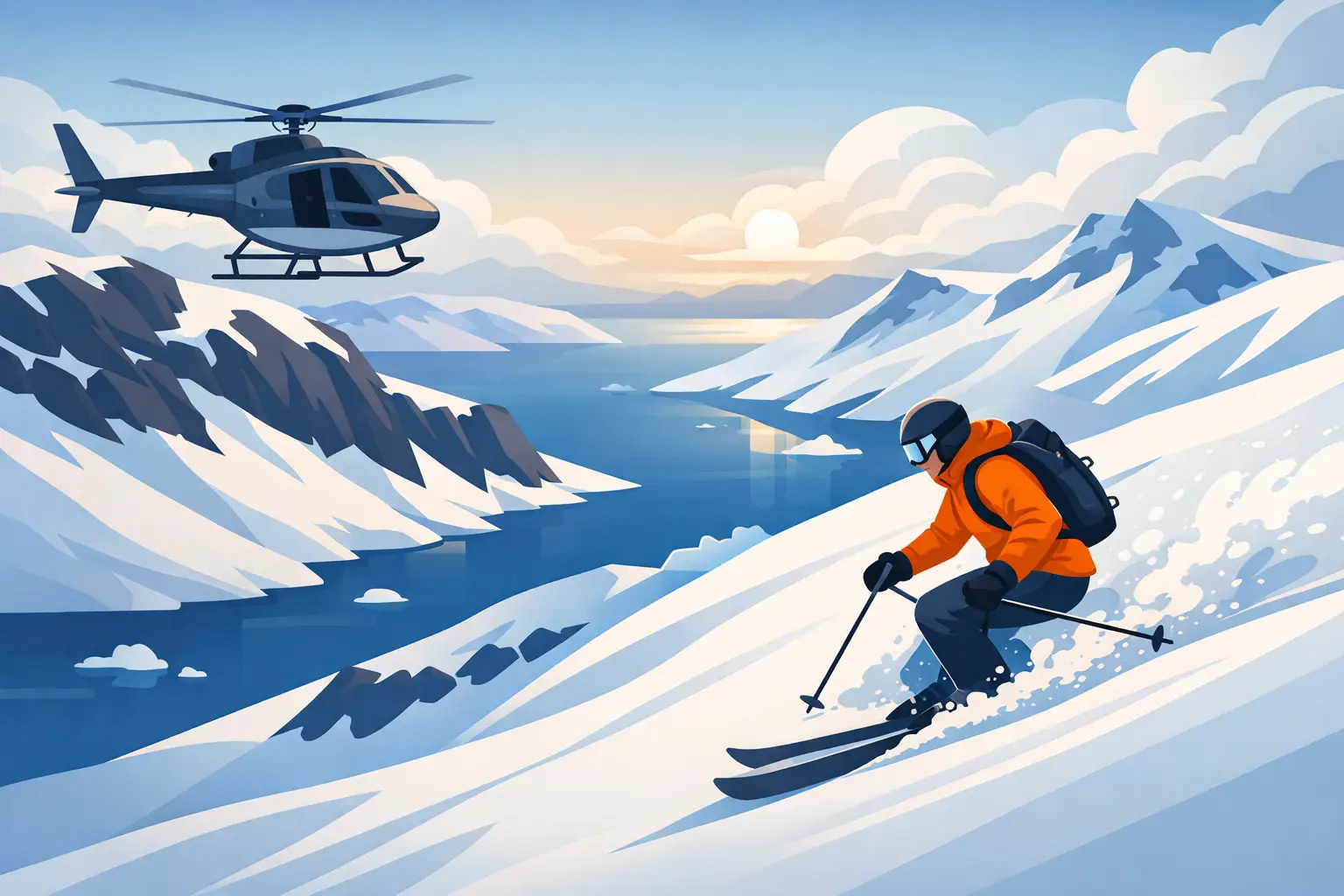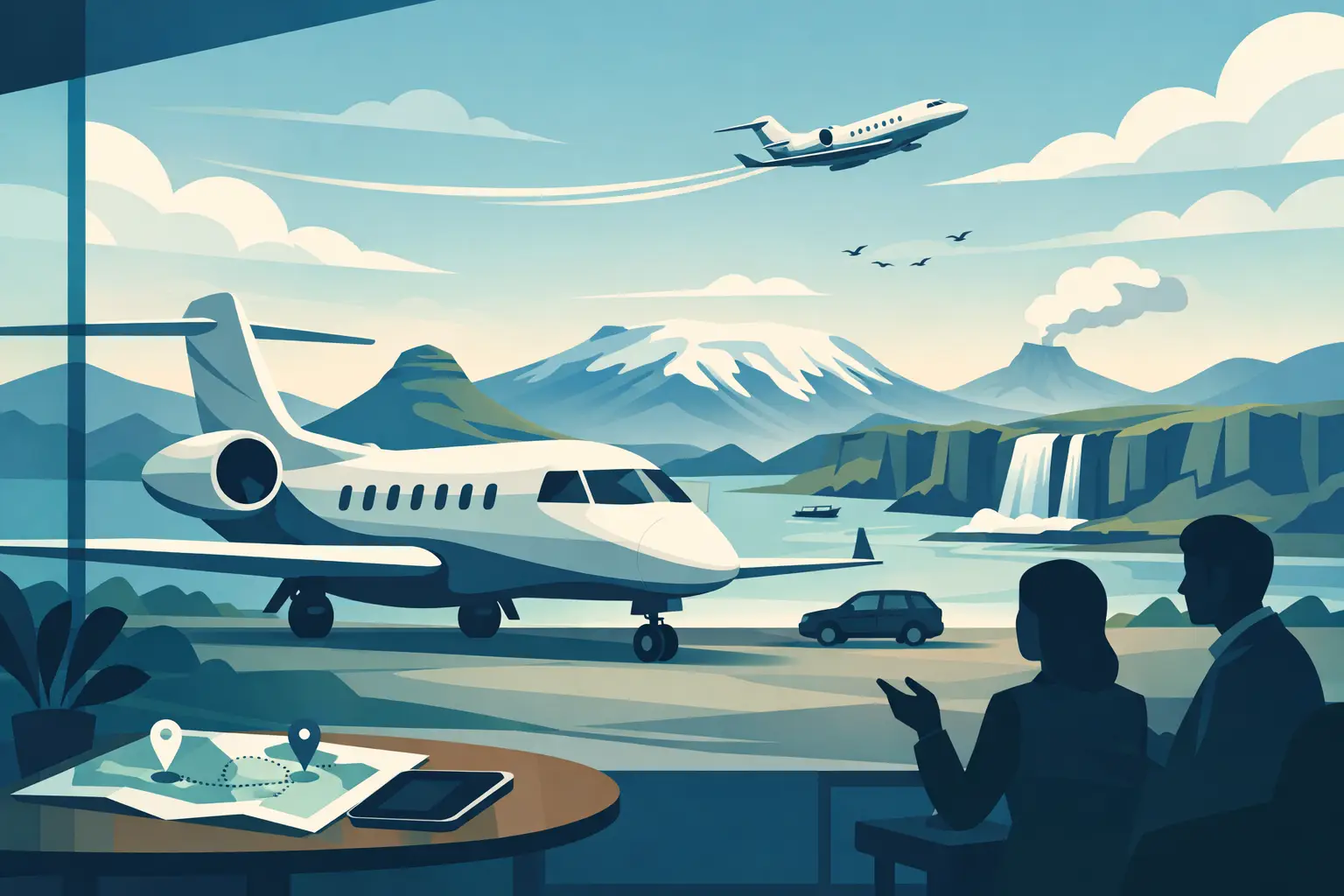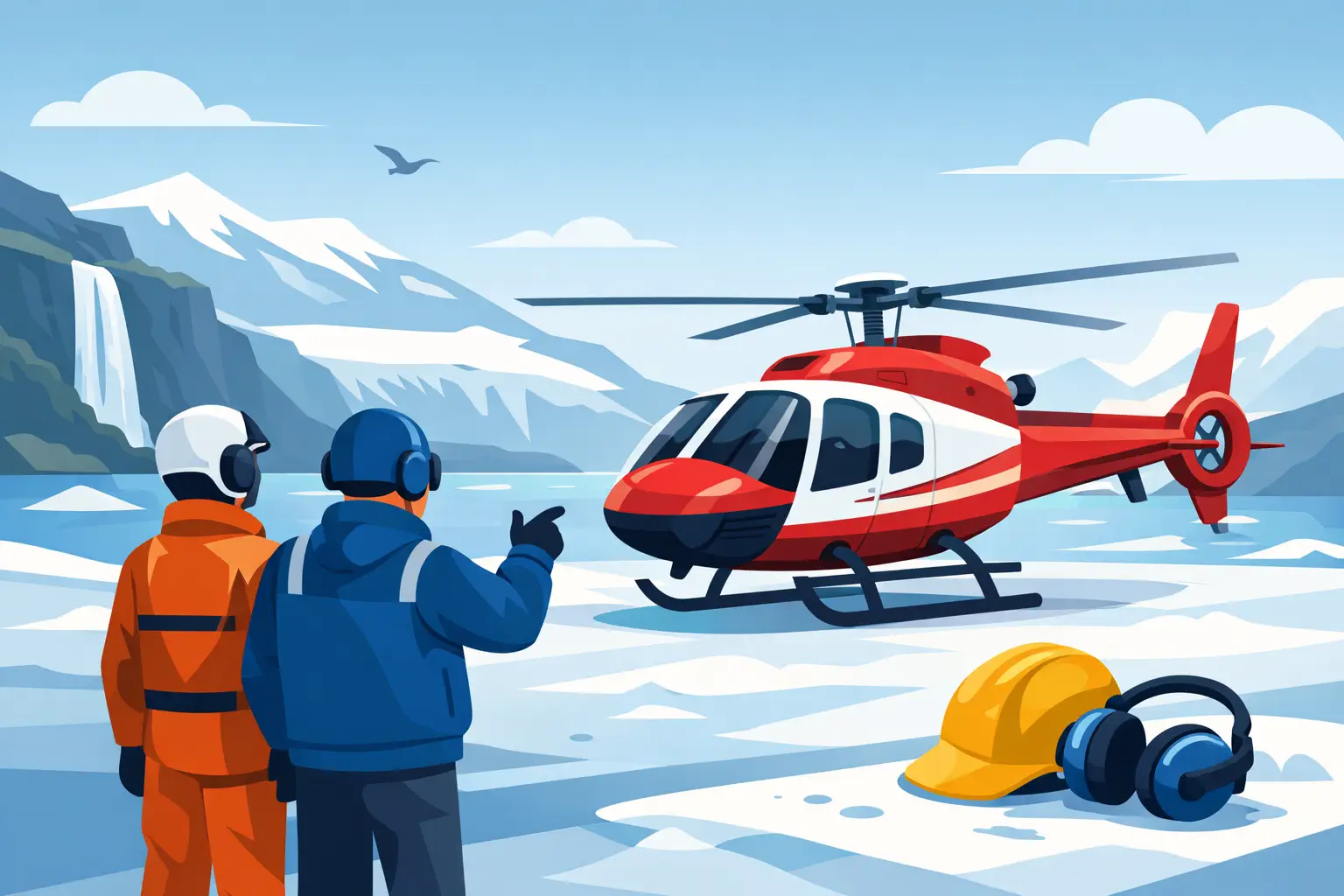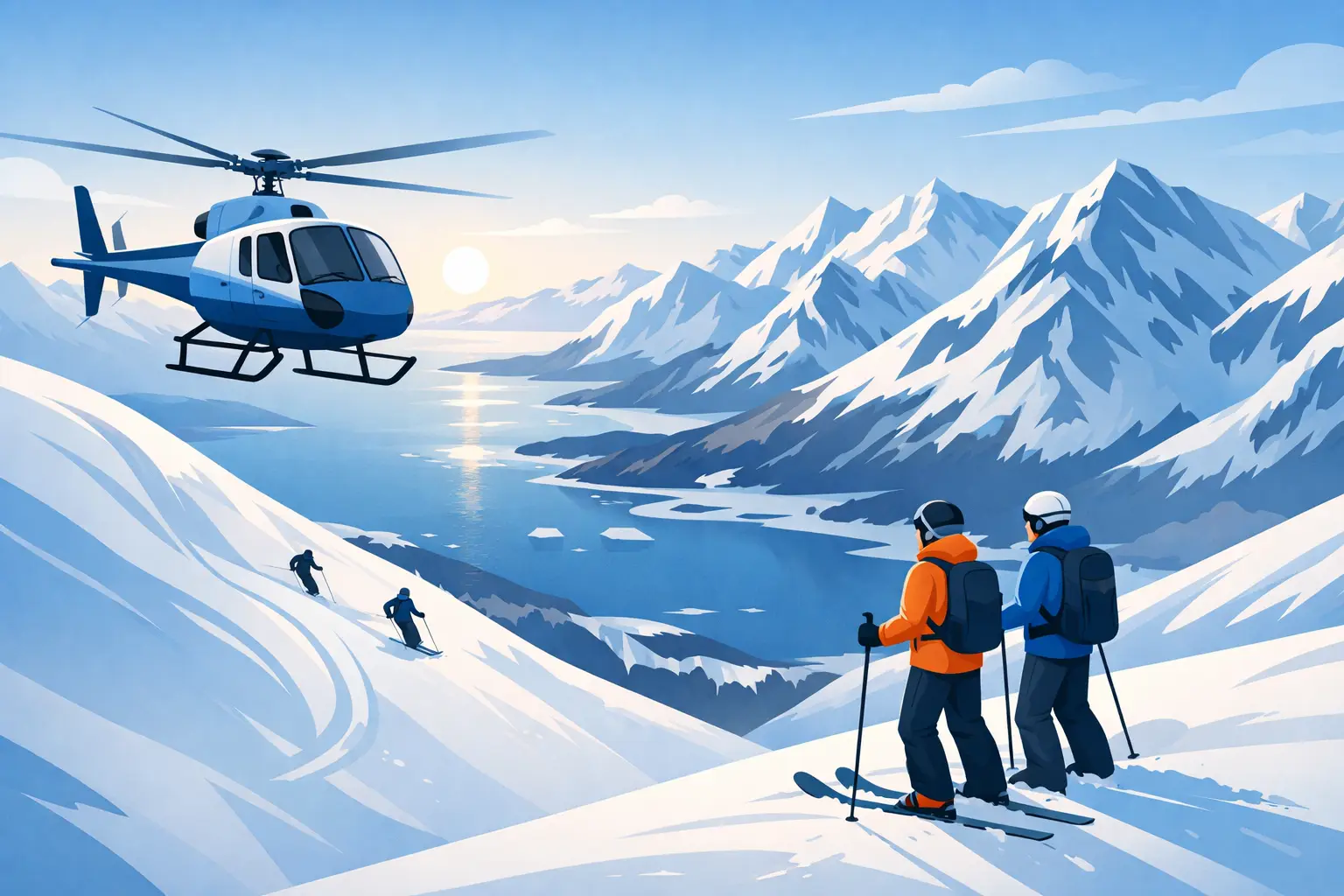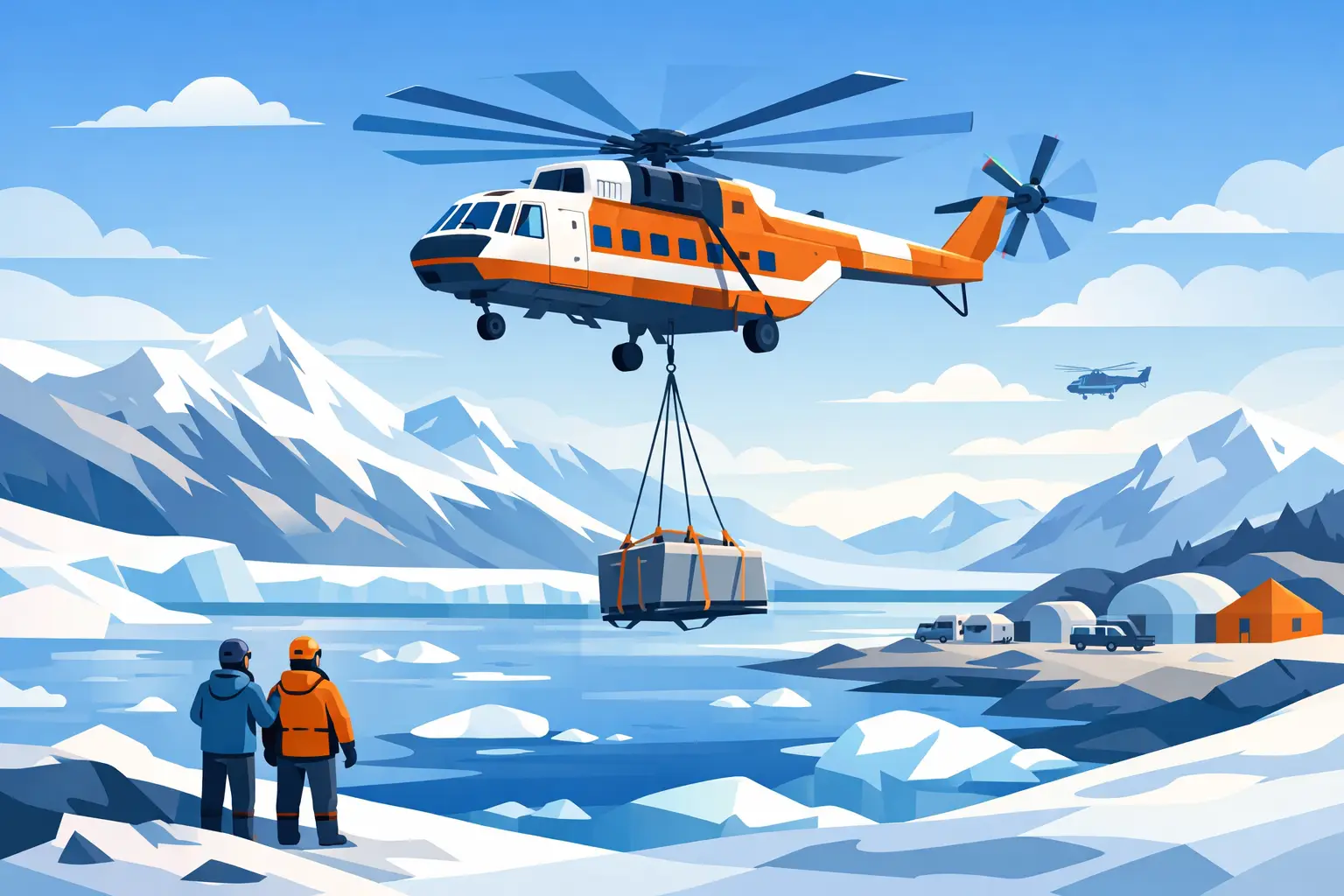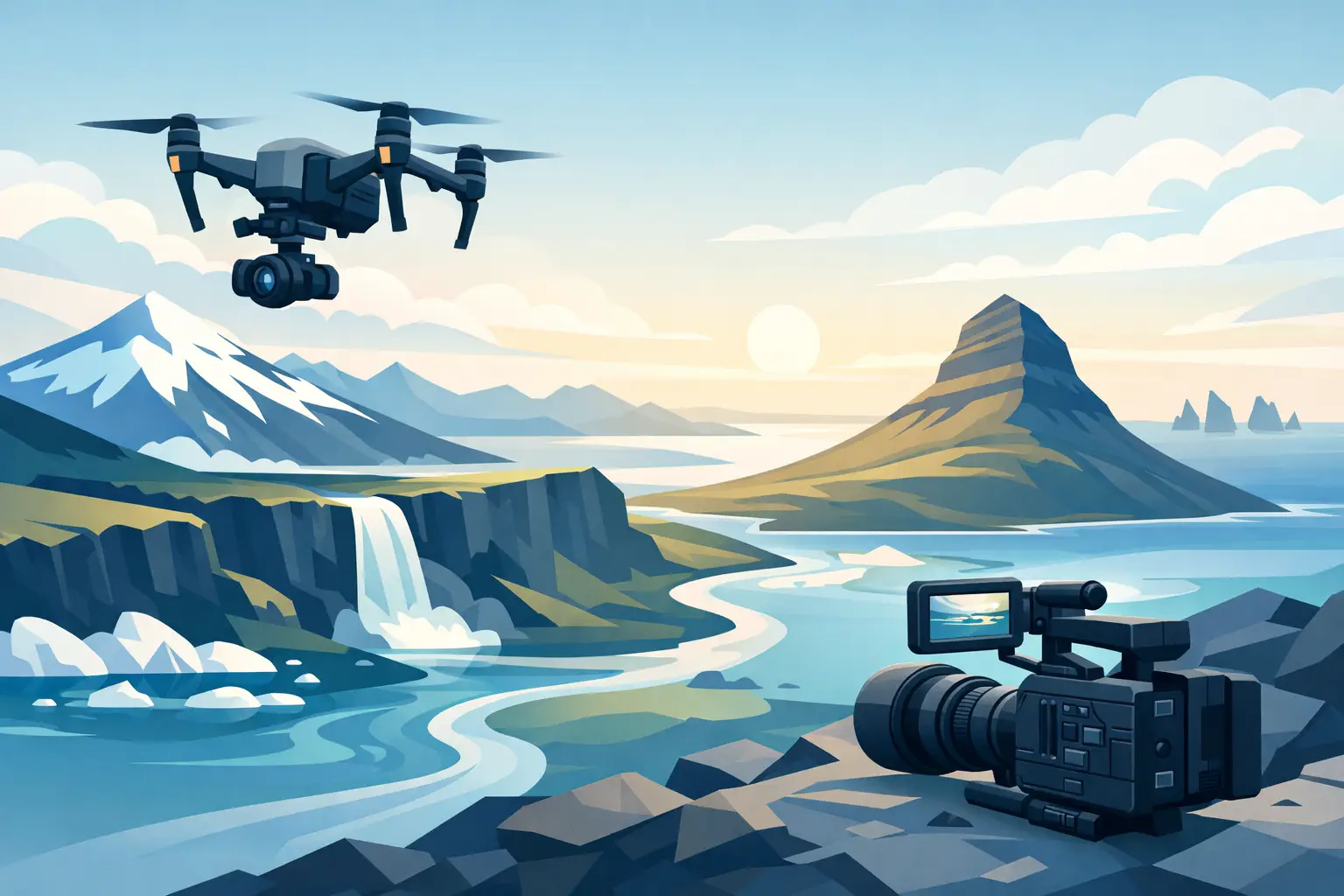
A camera team standing beside a glacier at sunrise has a narrow window: the light is low, the wind is manageable, and the scene is untouched. Cinematic aerial production turns that fleeting moment into a shot with scale, movement, and a perspective no road can provide. In Iceland, where volcanoes, black-sand coastlines, ice fields, and waterfalls often sit hours apart by car, the helicopter is not simply a striking camera platform. It is what makes an ambitious production day possible.
For brand campaigns, destination films, commercials, documentaries, and high-end social content, the strongest aerial sequences do more than establish location. They create feeling. They reveal the distance between a lone figure and a vast landscape, follow a river through a volcanic valley, or rise beyond a ridge to expose a glacier in full. Getting there requires more than a beautiful aircraft and a camera. It requires local aviation judgment, a clear creative plan, and respect for conditions that can change quickly.
Why Iceland Is Built for Cinematic Aerial Production
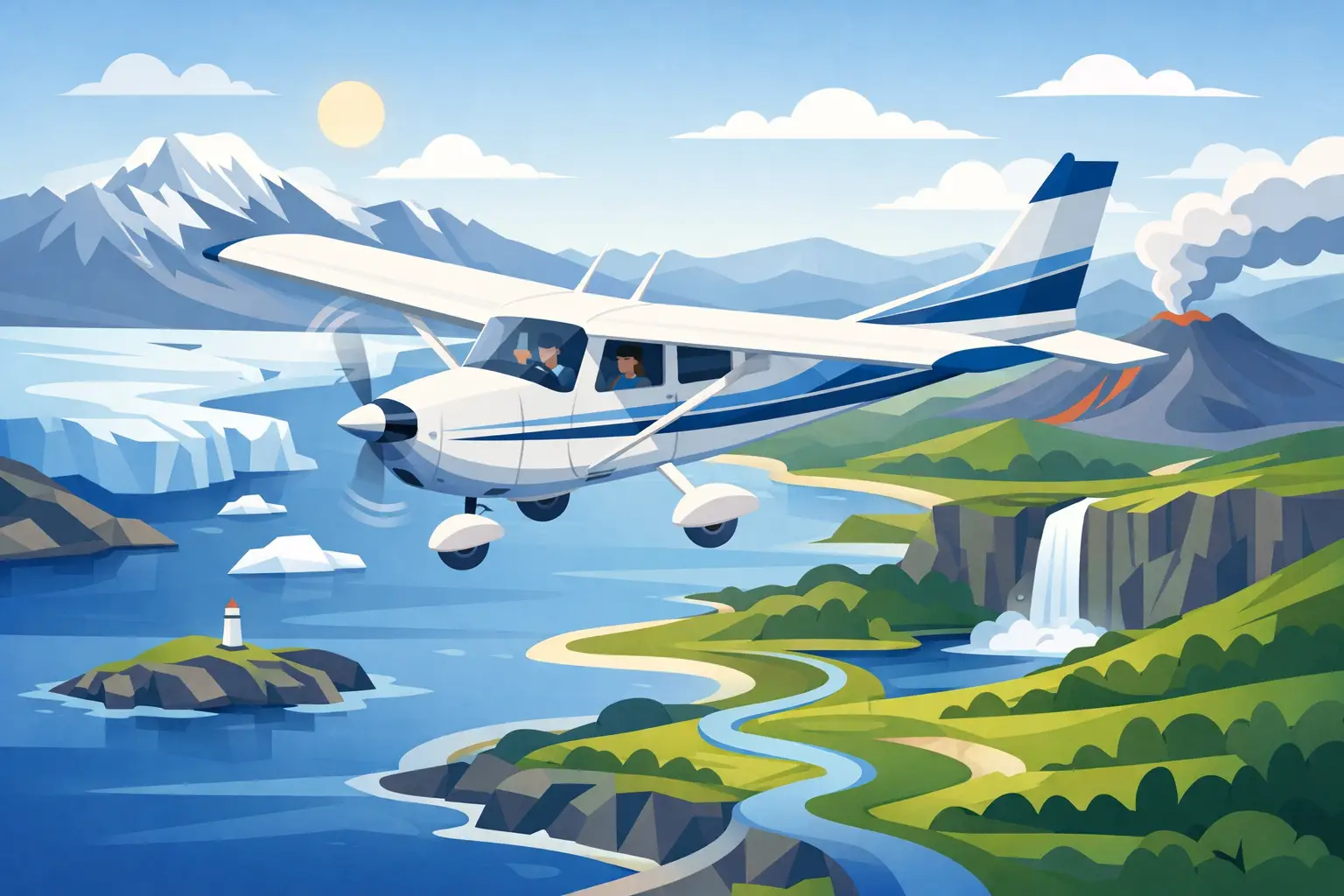
Iceland offers visual contrast at a scale that is difficult to replicate. Within a single flight, a production may move from coastal cliffs and Atlantic surf to geothermal terrain, highland rivers, and snow-covered mountains. The visual language changes fast, which gives directors and cinematographers more creative range without moving an entire ground unit across the country.
That access matters when time is part of the brief. A ground-based itinerary can spend much of the day in transit, particularly when filming remote waterfalls, interior highlands, or glacier regions. Helicopter access compresses those distances and allows crews to consider several locations in one carefully planned flight. For productions working around talent schedules, changing light, or a short Icelandic visit, that efficiency can protect the creative ambition of the shoot.
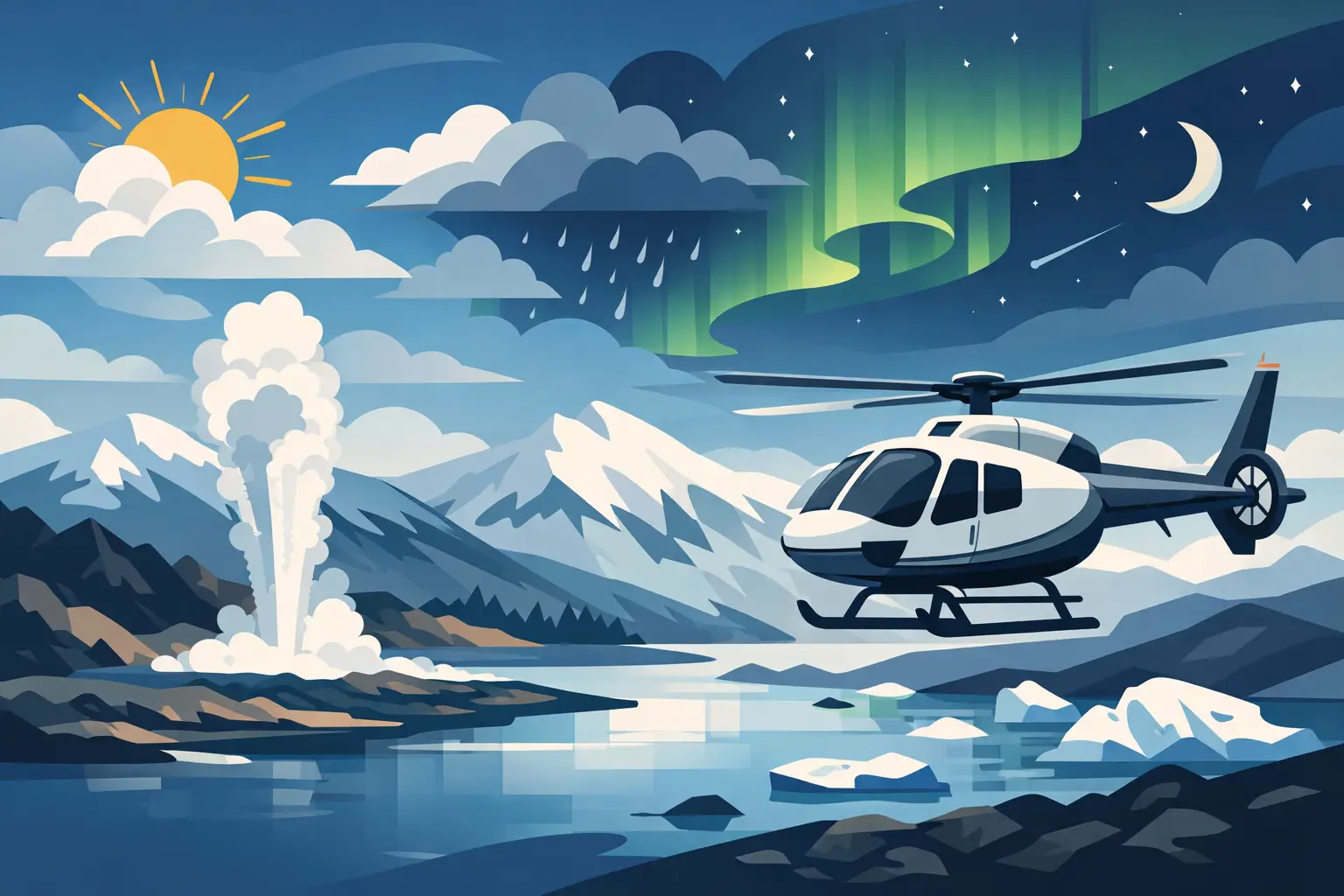
The trade-off is that Iceland does not offer a fixed studio environment. Weather is an operational factor, not a footnote. Cloud cover, wind, visibility, and conditions at both departure and destination areas determine what can be flown safely. The best plans set a visual priority, then build alternatives around it rather than treating one route or one landing as guaranteed.
Start With the Story, Not the Aircraft
Aerial footage can be spectacular and still feel disconnected from the film. Before choosing a route, define what the sequence needs to communicate. Is the goal intimacy, isolation, energy, luxury, discovery, or the raw force of nature? That answer affects the location, flight profile, light, camera position, and whether the helicopter should be seen on screen at all.
A luxury travel film may call for slow, composed approaches over a glacial lagoon, followed by a quiet landing in an expansive valley. A documentary about volcanic landscapes may need wider geographic context, low passes that reveal texture, and transitions between lava fields and distant ice. A fast-paced commercial may favor bold movement and high-contrast terrain, but it still needs a visual rhythm that gives the editor usable coverage.
Share reference films, shot priorities, intended aspect ratio, crew size, camera system, and delivery format early. A precise brief helps the aviation team recommend realistic routes, identify suitable landing areas, and allow enough time for each setup. It also prevents a common mistake: trying to capture every landmark in a single flight and returning with footage that feels rushed.
Build a Route Around Light and Geography
Iceland’s daylight changes dramatically through the year. Long summer days create flexibility for extended productions and broad location coverage. Winter can offer low-angle light for much of the day, along with snow, ice, and a more graphic landscape, but weather windows may be tighter. Shoulder seasons often provide striking color and fewer crowds, although conditions remain variable.
Rather than selecting locations only by popularity, consider how they work together from above. A waterfall may be visually powerful on its own, but it becomes more cinematic when the route also includes the river that feeds it, the canyon it cuts through, and a wider reveal of the surrounding terrain. The flight should feel like a sequence, not a collection of unrelated aerial postcards.
Planning for the Camera Platform
The right helicopter arrangement depends on the production. Some shoots need stabilized exterior systems and specialist technical teams. Others are better served by a compact crew filming through or from an approved opening, where careful seat allocation, lens choices, reflection control, and communication make a major difference. The platform should be chosen for the desired shot, not because a particular setup appears impressive on a call sheet.
Weight and space are practical considerations. Camera bodies, lenses, monitors, batteries, safety equipment, sound gear, and crew luggage all affect the aircraft load. A lean, experienced aerial unit is often more productive than a larger crew trying to bring a full ground-production footprint into the cabin. If the work requires remote landings, plan equipment cases and loading procedures around uneven natural terrain as well.
Stabilization is only one part of image quality. Aerial footage benefits from intentional movement: a gradual push toward a waterfall, a lateral pass that creates parallax along a ridge, or a restrained climb that reveals a glacier beyond the foreground. Fast movement can be useful, but it is not automatically cinematic. In dramatic landscapes, giving the eye time to understand scale often produces the more memorable shot.
Coordinate Aviation and Production Teams Early
Clear communication keeps the day efficient and safe. The pilot is responsible for aircraft operation and weather decisions. The production team is responsible for explaining what must be captured, while remaining open to adjustments based on live conditions. When everyone understands those roles, creative problem-solving becomes easier.
A practical preflight conversation should establish the priority shots, alternate locations, estimated time at each area, landing requirements, camera operating method, and communication protocol. It should also address what happens if visibility closes in or winds make a planned approach unsuitable. An alternate scene may not be the original plan, but it can become the strongest material of the day when it is chosen with purpose.
Remote Landings Add Scale and Story
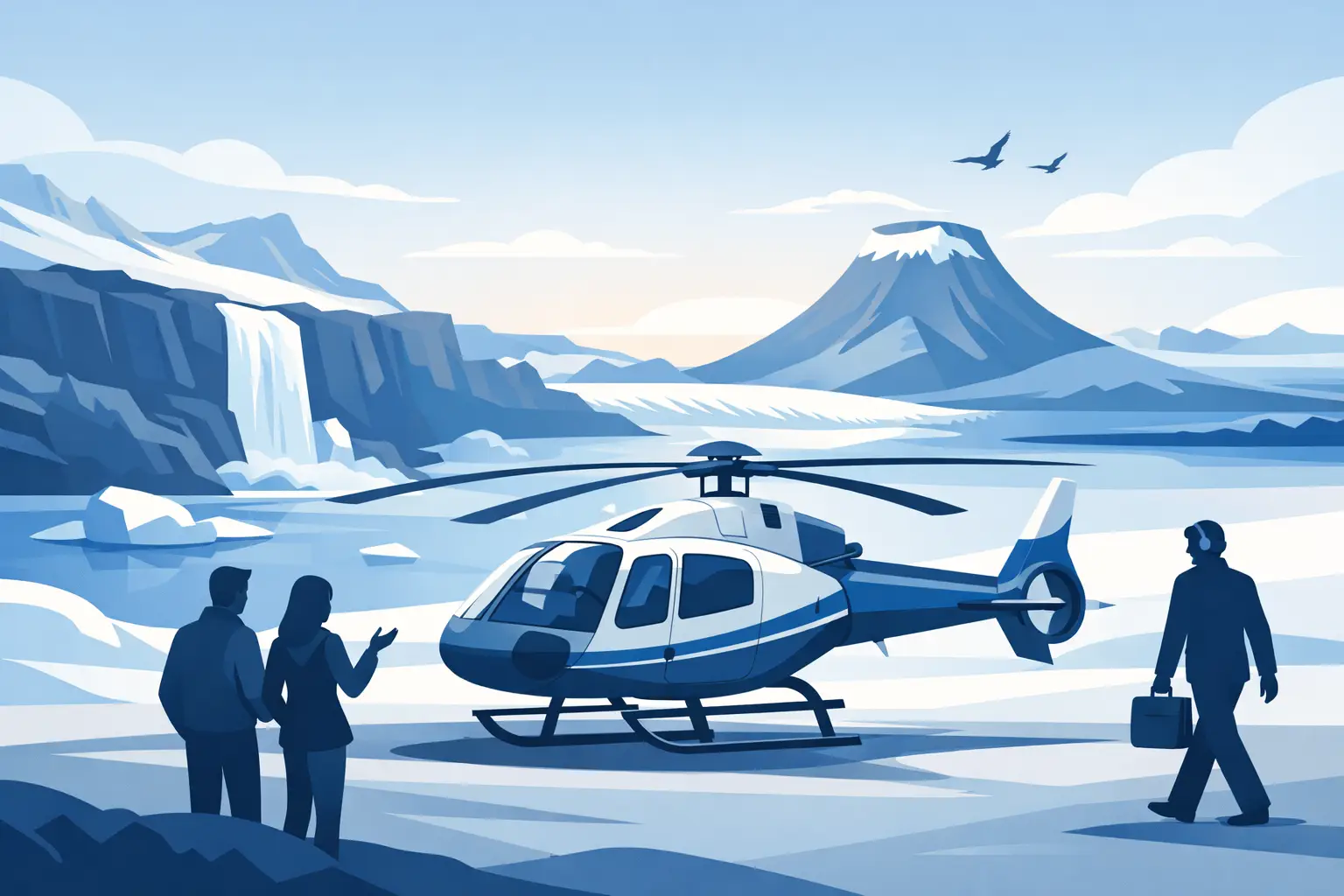
Aerial filming is not limited to footage from the air. A helicopter can place a small crew in landscapes that are difficult to reach by road, allowing productions to combine wide aerial coverage with ground-level detail. A subject walking across black sand, standing beneath a highland waterfall, or approaching a glacial edge gains more emotional weight when the audience has first seen the vast setting from above.
Remote landings require thoughtful planning. Terrain, weather, aircraft performance, site suitability, local restrictions, and the preservation of sensitive environments all matter. Not every visually appealing location is an appropriate landing site. An experienced local operator can advise on what is feasible and shape a route that respects both the creative brief and the landscape.
This is where a bespoke approach is especially valuable. A proposal, fashion campaign, editorial shoot, or destination film may need privacy, timing, and a setting that feels entirely removed from the usual visitor route. HeliAir can help shape helicopter access around those needs, whether the focus is a short filming window near Reykjavík or a full-day production reaching Iceland’s more remote regions.
Let Weather Improve the Film When It Can
Perfectly blue skies are not the only definition of good filming weather. Low clouds can add depth around mountains. Diffused light can preserve detail in bright ice and dark lava. A break in the weather can create a dramatic reveal that would not exist on a clear afternoon. The key is knowing which conditions serve the project and which conditions make flying unsuitable.
Build flexibility into the schedule whenever possible. A weather hold is easier to manage when the production has alternate shoot blocks, nearby ground coverage, and a route that can be adjusted by region. If a glacier destination is closed by cloud, a coastal or lower-elevation option may still offer excellent visibility and a different but equally compelling visual result.
That flexibility should never mean lowering the standard. It means treating the landscape as a collaborator. Iceland rewards crews that arrive prepared to respond to what the day offers rather than forcing a prewritten plan onto conditions.
A Better Brief Produces Better Footage
The most effective aerial production requests are specific without being rigid. State the story, the non-negotiable shots, the dates available, the size of the crew, equipment needs, desired landing locations, and any operational requirements. Then leave room for expert local guidance on routing, timing, and weather alternatives.
When the flight plan, creative intent, and natural conditions are working together, Iceland does not need visual exaggeration. A carefully framed pass over a waterfall, a quiet hover beside a volcanic ridge, or a rising reveal over an ice field can carry the entire film. Bring a focused brief, allow time for the unexpected, and let the landscape provide the scale no set can build.