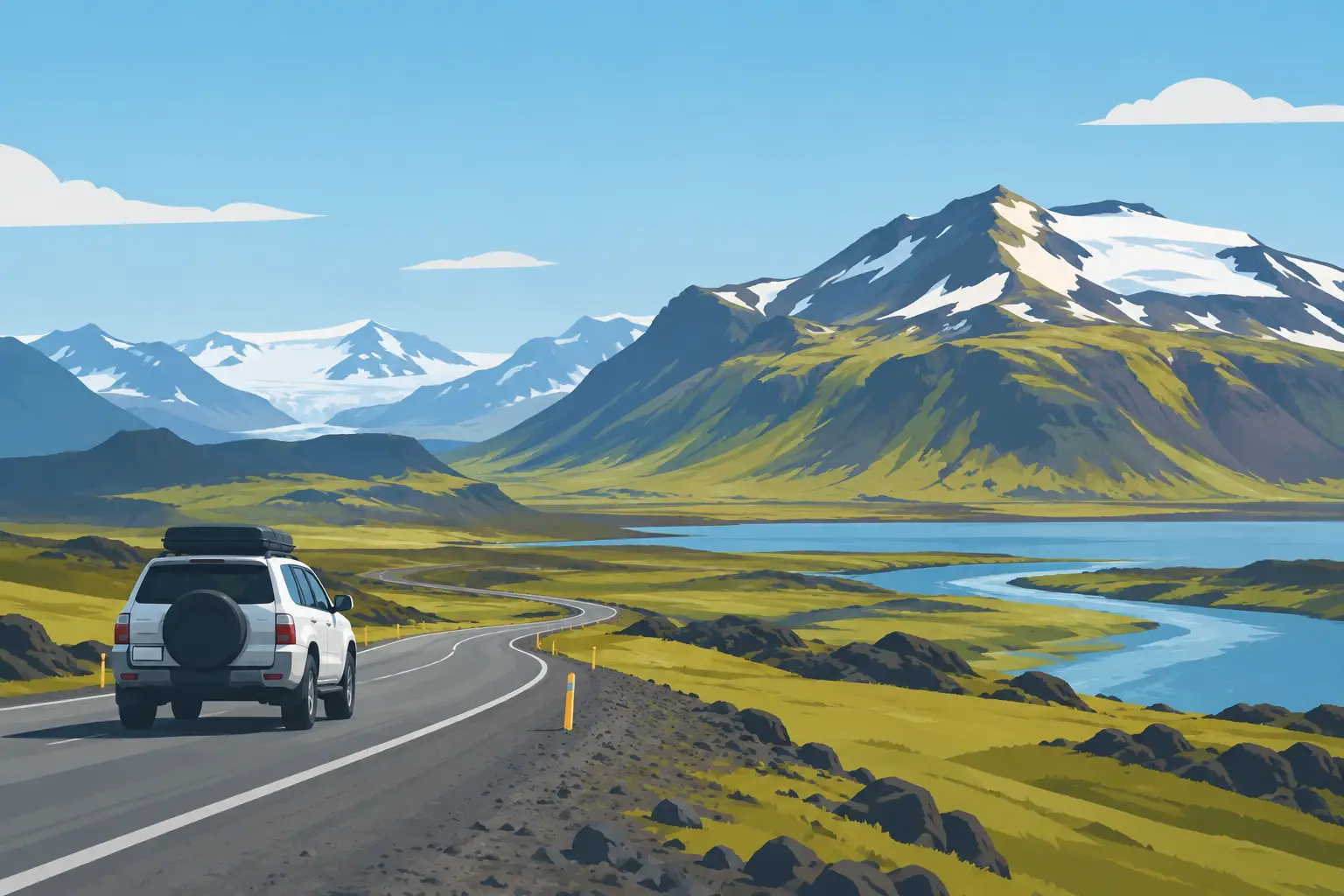
The road to Iceland’s interior can turn a 70-mile journey into most of a day. River crossings, rough tracks, seasonal road closures, and changing weather are part of the experience, but they are not always how you want to spend limited vacation time. For travelers asking how to reach the Highlands quickly, a helicopter is the most direct way to exchange a long approach for a dramatic arrival above glaciers, black-sand plains, volcanic ridges, and hidden valleys.
The Highlands are not one single destination. They are a vast central region of unpaved routes, remote huts, geothermal areas, ice caps, and river systems. The best way to get there depends on where you are starting, what you want to see, how long you have, and whether you want a scenic flight with a landing or a practical point-to-point transfer.
How to Reach the Highlands Quickly by Helicopter
A private helicopter flight can leave from Reykjavík or a northern departure point and fly directly toward the part of the interior that interests you. Rather than following the limited road network around rivers and mountain passes, the aircraft travels over the landscape itself. That changes the itinerary completely: a destination that may require a full day of driving and a capable 4×4 can become a focused half-day experience, depending on conditions and landing location.
For most premium travelers, the appeal is not simply speed. It is the quality of the time saved. Instead of arriving tired after hours behind the wheel, you can see the terrain that makes the Highlands extraordinary from above, then step onto a remote ridge, beside a highland lake, near a glacier edge, or at another approved landing area chosen for the route and conditions.
Flight time varies substantially. A nearby highland destination may be reached in well under an hour from Reykjavík, while a more ambitious itinerary involving glaciers, volcanoes, and several landings calls for a longer charter. The practical advantage is that the flight itself is part of the destination, not a transfer to endure.
Start With the Destination, Not the Route
A custom Highland flight works best when it begins with a clear priority. Do you want broad volcanic scenery, a glacier landing, a photography-focused day, a private picnic in a remote setting, or efficient transportation to a lodge, filming location, or trailhead? Those goals determine the departure base, flight duration, aircraft requirements, and likely landing options.
The southern interior offers powerful contrasts: expansive lava fields, glacier outlets, volcanic landscapes, and dramatic waterfalls such as Háifoss. Routes toward the central Highlands can reveal places that are hard to connect by road in a single day. In the north, departures near Ólafsfjörður can make sense for guests exploring the Tröllaskagi region, pursuing heli-skiing, or combining mountains and remote northern terrain.
Travelers sometimes arrive with one landmark in mind. That is useful, but flexibility produces a better day. Iceland’s weather can favor one valley, glacier, or side of a mountain range over another. An experienced local operator can shape the route around visibility, wind, cloud base, and safe landing conditions while protecting the feeling of a private, exceptional experience.
Choose a Scenic Tour or a Private Charter
A scheduled sightseeing experience is a strong choice when the available route already matches your plans. It offers a defined flight duration and a polished way to see major Icelandic landscapes from the air. A private charter is better when your schedule is tight, your group wants privacy, or your itinerary calls for a location beyond a standard route.
A charter also gives you control over the pace. You may prefer one extended landing for photography and quiet, or several shorter stops that create a wider view of the interior. Couples planning an occasion, families traveling together, and private groups often value that flexibility as much as the helicopter itself.
For specialist needs, the same principle applies. A production team may need aerial filming angles and ground access. A corporate group may need an efficient transfer. A ski group may need terrain access based on snow and avalanche assessments. These are not standard sightseeing itineraries, so the flight plan should be built around the mission, crew requirements, and operational conditions.
When Is the Fastest Time to Go?
The Highlands are most accessible by road in summer, generally when F-roads open after winter and river levels are manageable. Exact opening dates change every year, and some routes remain difficult even at the height of the season. This is why helicopter access is especially valuable for travelers who do not want their plans tied to road status.
That said, flying is not independent of weather. Wind, precipitation, cloud, visibility, and icing risk can all affect helicopter operations. A clear forecast in Reykjavík does not guarantee clear conditions over the interior. Weather changes quickly across Iceland, particularly near glaciers and high ground.
If the Highlands are a major priority, plan your flight early in your Iceland stay rather than reserving it for the final afternoon. This leaves room to adjust if conditions require a later departure, a different route, or a reschedule. Keep the surrounding schedule light, especially when connecting to a fixed dinner, cruise departure, or international flight.
Morning flights can offer calmer conditions and softer light, while late-day flights may suit photographers looking for lower sun angles and warmer color. Neither is automatically better. The day’s forecast and your preferred experience matter more than a rigid rule.
What to Expect on a Highland Helicopter Flight
Your experience begins with a safety briefing and a review of the day’s conditions. Dress for the destination rather than the city. Even in summer, a highland landing can be cold, windy, and wet. Wear insulated layers, a waterproof outer shell, sturdy closed-toe shoes, and gloves if the forecast suggests exposed conditions. Sunglasses are useful around snow, ice, and bright volcanic surfaces.
Cabin space and passenger weight affect aircraft planning, so provide accurate group details and luggage requirements when arranging the flight. For a scenic landing, bring only what you need: a camera, a small day pack, water, and an extra layer. Larger equipment, ski gear, production cases, or special cargo should be discussed in advance.
Landing in the Highlands is a privilege, not an invitation to treat the landscape casually. The pilot selects sites based on safety, terrain, weather, permissions, and environmental considerations. Follow instructions around the aircraft, stay within the designated area, and avoid fragile moss, geothermal features, unstable snow, and cliff edges. The most remarkable locations remain remarkable because visitors take care around them.
Make the Most of the Time on the Ground
A landing can be brief and still feel transformative. Before the rotors stop, decide what matters most to you: a portrait with the landscape, wide panoramic images, a few quiet minutes away from the group, or a closer look at the geology. A good crew will help set expectations for the available time and conditions.
For photography, ask for the type of images you want rather than naming only a place. Aerial patterns of braided rivers require a different route from a close glacier view or a cinematic approach to a waterfall. If filming is the purpose, share the shot list, equipment details, and intended use ahead of time so the operation can be planned responsibly.
Is a Helicopter Always the Right Choice?
Not always. A 4×4 journey is the right choice for travelers who want the slow immersion of the Highlands: hiking between huts, crossing rivers with an experienced guide, camping, or spending multiple days on the ground. It is also typically the more economical option for travelers with flexible schedules and no need to reach remote scenery quickly.
Helicopter access is the better fit when time is scarce, comfort matters, the group wants a private experience, or the objective is difficult to connect to by road. It is particularly compelling when you want to combine several landscapes that would otherwise require separate driving days. The trade-off is that aviation schedules must always respect weather and safety decisions.
The smartest itinerary often combines both. Use a helicopter to reach the scale of Iceland’s interior and gain perspective on its terrain, then reserve ground time for a hike, a hot spring, a local meal, or an overnight stay where the pace can slow down.
Plan a Highland Flight Around Your Trip
To arrange the right flight, share your travel dates, party size, preferred departure location, available time, and the landscapes you most want to experience. Mention any fixed plans, mobility needs, luggage, photography goals, or special occasion. That gives the flight team the information needed to suggest a practical route rather than a generic one.
HeliAir can shape private scenic flights, direct transfers, and specialized operations around Iceland’s changing conditions and the places you genuinely want to reach. Leave enough room in the itinerary for the weather to have its say, then let the route bring you somewhere a road could not.